
December 12, 2025
Commercial Real Estate
How to Buy Commercial Property and Avoid Common Risks
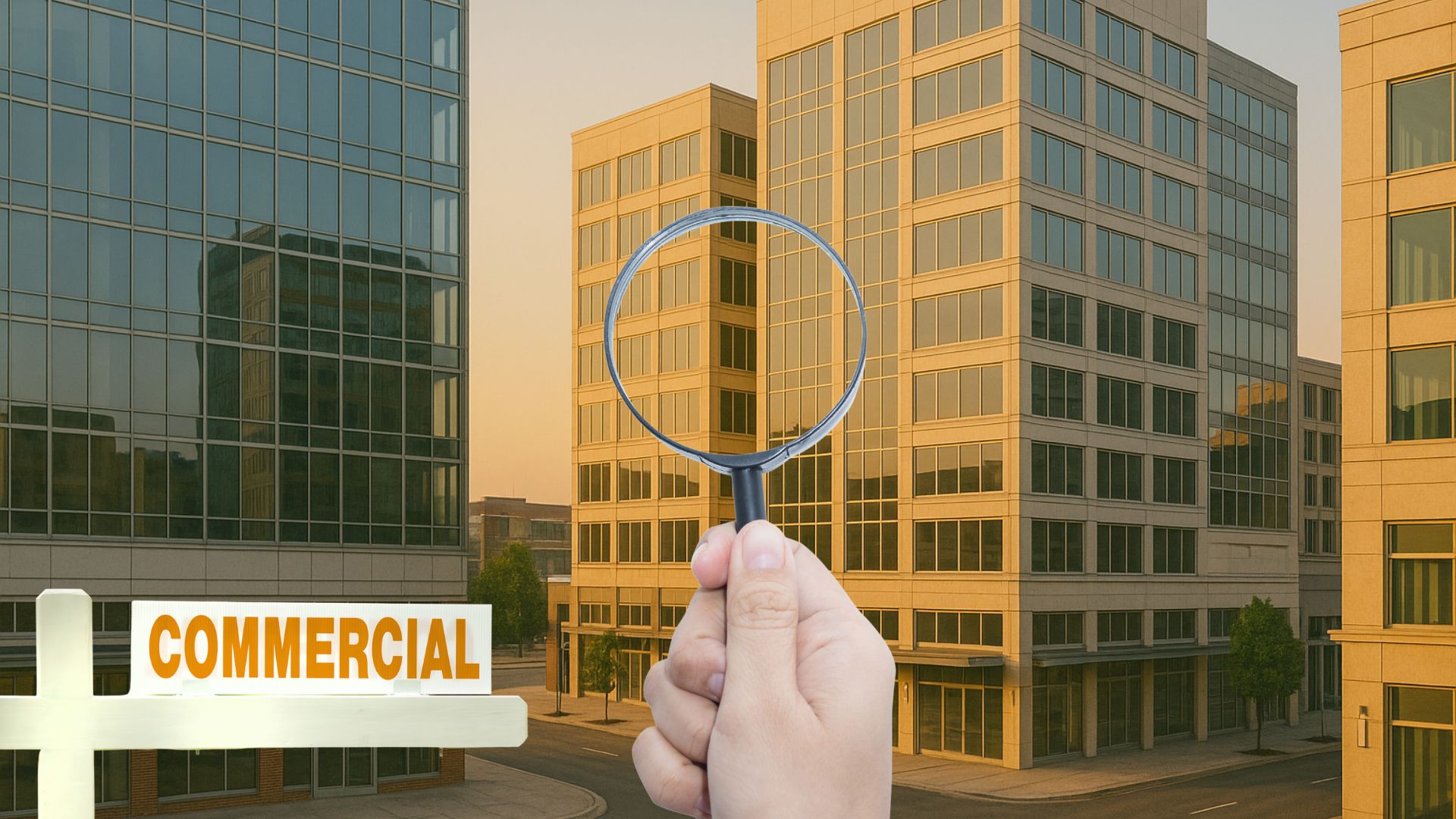
Learning how to buy commercial property is one of the most valuable steps an investor can take toward building long-term income and portfolio stability. But the process is far more complex than purchasing residential real estate. You need to analyze the market, review financials, inspect the building’s condition, and understand potential risks before making an offer. This guide walks you through every essential step, highlights the most common mistakes buyers make, and explains how high-quality property images can support smarter, more confident investing.
1. Step-by-Step Guide: How to Buy Commercial Property
A strategic and detail-driven approach helps investors identify profitable commercial real estate opportunities. Below is a step-by-step guide that outlines what you must do before, during, and after the purchase.
2.1. Evaluating Your Investment Goals
Your first task is to determine what you want from the investment. Are you seeking high rental income, long-term appreciation, or a combination of both? Understanding your goals helps you choose the right property type, from retail and industrial buildings to multifamily or office spaces. Your budget and expected return will also influence the location and size of the property you pursue.
2.2. Research the Market Thoroughly
Market research is essential. Study local economic trends, vacancy rates, rental demand, cap rates, and future development plans. Areas with strong job growth and expanding infrastructure often provide the best return on investment. Analyze comparable properties to understand pricing and income potential. Smart market research prevents overpriced purchases and highlights neighborhoods with rising value.
2.3. Secure Financing Early
Commercial property financing is more complex than residential loans. Start early by comparing lenders, interest rates, and loan terms. Conventional loans, SBA 504 loans, and private lenders are common options. Gather financial documents such as tax returns, business statements, and credit information. Strong preparation improves your approval chances and strengthens your negotiating position.
2.4. Build a Reliable Professional Team
Investing in commercial real estate requires professional support. A strong team may include a commercial real estate agent, attorney, lender, financial advisor, and property inspector. Each expert helps you evaluate deals more accurately and avoid costly mistakes.
2.5. Evaluate Properties and Analyze Numbers
Once you find a potential property, conduct a financial analysis. Review rental income, operating expenses, net operating income, cap rate, and cash flow projections. Consider current tenants and lease structures, since these directly affect profitability. A building that looks good visually may not perform well financially if leases are weak or expenses are high.
2.6. Conduct Due Diligence
Due diligence is where you uncover hidden issues. Inspect the structure, HVAC system, roof, electrical systems, and plumbing. Review zoning laws, environmental reports, local regulations, and past maintenance records. Confirm that all required permits and certificates are in place. Skipping due diligence exposes you to major financial risks.
2.7. Make an Offer and Negotiate Terms
After confirming that the property meets your goals, prepare an offer based on your analysis. Negotiate price, contingencies, tenant arrangements, closing dates, and repair responsibilities. A clear negotiation strategy helps protect your interests.
2.8. Close the Deal
At closing, finalize loan documents, complete escrow requirements, and transfer funds. Keep detailed records so you can manage the property effectively afterward.
2. Why Commercial Property Is a Smart Investment?
Commercial real estate continues to attract both new and experienced investors because it offers long-term stability, attractive returns, and strong growth potential. Unlike residential property, which can fluctuate based on personal circumstances and short-term rental trends, commercial property is driven by business activity, economic expansion, and market demand. These factors make it a reliable and often more profitable investment choice. Below are the key reasons commercial property stands out:
- Higher Income Potential: Commercial properties typically generate higher rental income than residential units. Tenants often commit to multi-year leases, which creates predictable cash flow.
- Strong Appreciation Over Time: Well-located commercial properties tend to increase in value due to rising demand and limited supply. Improvements, renovations, and market growth can significantly boost resale value.
- Better Tenant Stability: Commercial tenants, especially businesses, usually maintain the property well and stay longer. This reduces vacancy risk and turnover costs.
- Portfolio Diversification: Adding commercial real estate to your investment portfolio helps reduce overall risk. It balances market fluctuations and creates multiple income streams.
- Professional Relationships: Working with business tenants often leads to professional, structured communication. This can make property management smoother than dealing with individual residential renters.
3. Common Risks When Buying Commercial Property
Despite the benefits, commercial real estate comes with challenges. Identifying these risks early gives investors a clearer path to success. Below are the key risks that every commercial property buyer should be aware of before making a decision:
- Overestimating Property Value: Investors sometimes assume a property will generate more income than it actually can. Poor market research or unrealistic expectations lead to overpriced purchases.
- Hidden Structural Problems: Roof damage, outdated HVAC systems, mold, or poor foundation conditions can cause massive repair costs if discovered after closing.
- Zoning and Legal Restrictions: A property may be limited by zoning laws or environmental regulations. These restrictions can reduce potential income or limit renovation plans.
- Financing Challenges: Higher interest rates, stricter requirements, and unpredictable lender conditions create barriers for buyers with limited experience or weak documentation.
- Tenant-Related Issues: High tenant turnover, unreliable tenants, or vacant units can reduce income significantly. Lease terms may also be weaker than expected.
4. How to Avoid These Common Risks
Careful planning and structured evaluation help reduce exposure to the most common commercial real estate risks
Conduct Professional Inspections
Always hire licensed inspectors to evaluate structural and mechanical systems. A professional report gives you negotiation power and helps you avoid unexpected repair bills.
Perform Deep Financial Analysis
Review operating expenses, tax history, insurance costs, and tenant payment records. Confirm that the property’s income matches what the seller claims.
Review Zoning and Compliance
Verify that the property complies with all local rules. Contact the planning department to confirm allowable uses and future development plans.
Compare Multiple Financing Options
Check loan terms from different banks, credit unions, and private lenders. Better financing improves your cash flow and long-term ROI.
Verify Tenant Stability
Speak with tenants when possible, review lease agreements, and assess their business history. Stable tenants are key to consistent rental income.
5. How High-Quality Images Support Better Investing
High-quality commercial property images play an essential role in helping investors evaluate a property accurately and make confident decisions. Clear visuals reveal structural conditions, highlight layout efficiency, and showcase the overall potential of a building. When images are sharp, well-lit, and professionally edited, investors gain a realistic understanding of the property before scheduling a visit, which saves time and reduces uncertainty.
More Accurate Property Assessments: Sharp, detailed images reveal structural conditions, lighting quality, space functionality, and potential repair needs. These visuals help investors compare properties more effectively.
Better Marketing for Re-Sale or Leasing: If you plan to resell or lease the property, professional photography increases listing appeal. Bright, edited images attract more buyers or tenants and can boost perceived value.
Enhanced Investor Confidence: When all visual materials are clean, consistent, and accurately edited, investors can evaluate properties with greater clarity. This reduces guesswork and supports better financial decisions.
Professional editing enhances clarity and consistency, helping investors and buyers view the property in its best condition without distortion. Below are the most important commercial real estate editing techniques:
HDR Photo Editing
HDR editing balances shadows and highlights, which is ideal for large commercial spaces with mixed lighting. It reveals details inside bright windows, dark corners, and wide interiors, ensuring accurate presentation of the property.
Perspective Correction
Commercial buildings often require vertical and horizontal perspective adjustments. Correcting lens distortion ensures that walls look straight, lines stay parallel, and the structure appears professional and true to scale.
Color Correction and White Balance
Accurate color representation helps investors understand the actual materials, finishes, and lighting environment. Neutral white balance and consistent tones make commercial interiors look clean and appealing.
Object Removal
Unwanted elements such as trash bins, vehicles, signage, or construction equipment can distract viewers. Object removal keeps the environment clean and helps investors focus on key building features.
Sky Replacement and Exterior Enhancement
A bright sky and balanced outdoor lighting make exterior shots more attractive. Commercial properties look more modern and well-maintained when skies are replaced with clearer, neutral versions.
Day to Dusk Conversion
Twilight-style edits add a sense of professionalism and premium value. This technique is widely used for office buildings, retail centers, and mixed-use properties to highlight architectural lines and evening usability.
Window Masking and Interior Brightening
Cleaner window views and brighter interior tones make spaces more inviting. Investors can better evaluate room dimensions, layout flow, and natural lighting.
Investors rely on edited images to reduce guesswork, especially when comparing multiple commercial listings. Clear visuals also help lenders, partners, and stakeholders understand the property’s potential.
This is why many commercial real estate teams partner with professional editing studios to achieve consistent, accurate results.
If you’re looking for high-quality commercial property visuals that highlight every detail, support investor decision-making, and make your listings stand out across all platforms, Rotider Media can provide the precise editing you need. Our team delivers clean, accurate, and consistent enhancements that help your properties appear more professional, more attractive, and easier for buyers to evaluate.
Ready to elevate your commercial property visuals? Start your order with Rotider Media today!

Annie Doo
Professional Video Editor
Hi, I’m Annie Doo, a professional video editor specializing in real estate post-production. Through hands-on experience with real-world projects, I’ve developed a strong understanding of visual storytelling, pacing, color, sound, and the workflows behind polished real estate videos. Here, I share practical insights, editing techniques, and production knowledge drawn from my day-to-day work in video post-production.
Was this article helpful?
Your feedback helps us create more useful real estate media guides.
Share this article


No Spam, Just Updates
Our fresh blogs provide technical and industrial information that helps strengthen your business. Sign up to be the first to receive the new updates
Related Posts

Real Estate Post-Production: A Complete Guide for Photographers and Media Teams
Oct 2, 2026
AI in Real Estate: A New Leap for Property Professionals
Sep 9, 2026
AI for Real Estate Marketing: A Practical Guide for Agents and Agencies
Sep 9, 2026
AI for Real Estate Agents: Practical Uses and Future Trends
Sep 7, 2026
15 Real Estate AI Companies to Know in 2026
Sep 5, 2026