
October 27, 2025
Real Estate Insights
How to Get Real Estate Photo Editor Jobs
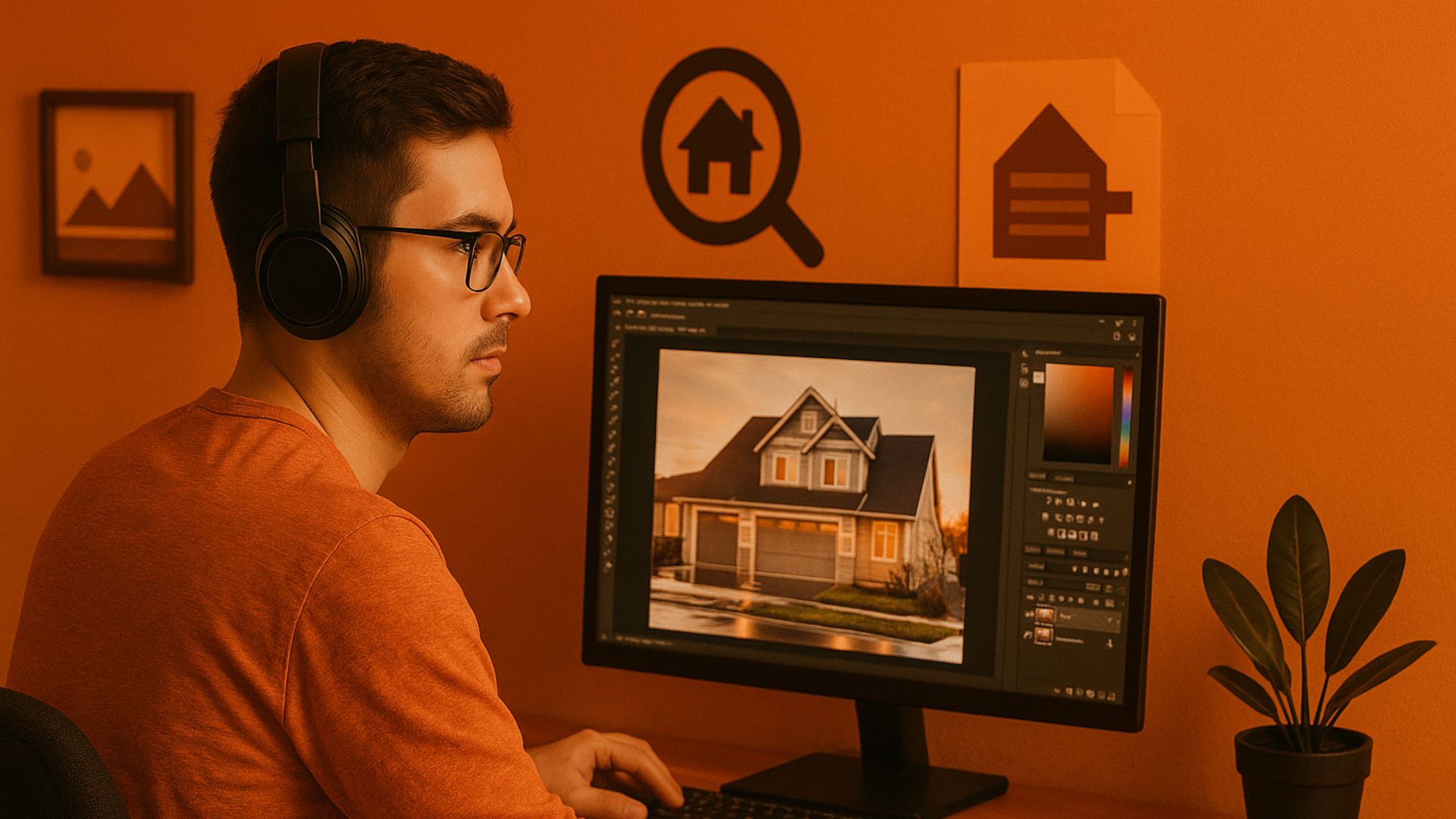
Professional visuals play a crucial role in capturing the attention of potential buyers. That’s why real estate photo editor jobs are in high demand across agencies, photographers, and media companies. Whether you’re a beginner or an experienced editor, understanding what this job involves and how to land one can open doors to a creative and rewarding career. This guide walks you through essential skills, career tips, and the best places to find real estate photo editing opportunities.
1. What Are Real Estate Photo Editing Jobs?
Real estate photo editing jobs involve enhancing property photos to make them look professional, appealing, and market-ready. In today’s competitive real estate market, high-quality visuals play a vital role in attracting potential buyers or tenants. A real estate photo editor is responsible for turning raw property photos into polished, realistic, and visually balanced images that highlight the property’s best features
Typically, editors work with real estate photographers, agencies, or marketing teams to ensure that every image meets industry standards. All aimed at creating images that accurately represent the property while maintaining visual harmony.
These jobs can be performed freelance, in-house, or remotely for specialized post-processing companies worldwide. Depending on the project, a photo editor may handle residential homes, commercial buildings, or luxury listings.
2. Essential Skills for a Real Estate Photo Editor
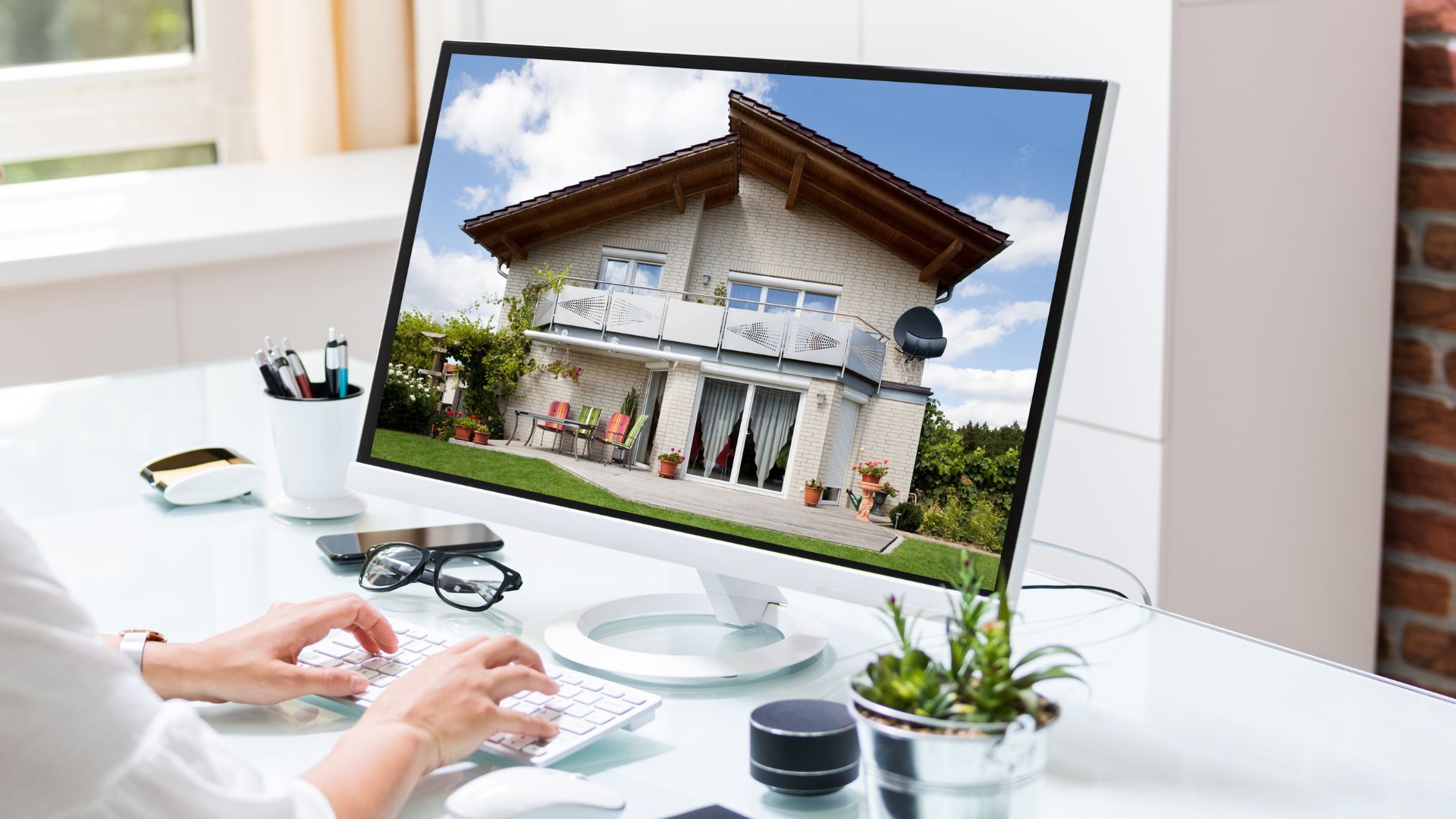
To stand out in the real estate editing industry, a photo editor must combine technical expertise, creative vision, and strong work discipline. Below are the essential skills every real estate photo editor should develop:
2.1. Technical Editing Skills
A solid foundation in editing software is the cornerstone of this profession. Editors should be proficient in Adobe Photoshop, Lightroom, Photomatix, or Aurora HDR, which allow precise control over color, tone, and composition. Core techniques such as HDR blending, color correction, sky replacement, and perspective adjustment are essential to make images look bright, clean, and realistic. Understanding composition, lighting, and depth balance also helps ensure that each photo showcases the property’s full potential.
2.2. Understanding of Real Estate Visual Standards
Every real estate image must strike a balance between accuracy and appeal. Editors need to understand how to present interior and exterior spaces in a way that feels inviting yet true to life. This includes keeping natural tones, realistic lighting, and correct proportions.
Familiarity with industry-specific styles, such as twilight conversions, day-to-dusk effects, or virtual staging, is also valuable in meeting different client expectations.
2.3. Creative and Aesthetic Sense
Beyond technical execution, a strong aesthetic eye is what sets great editors apart. Recognizing details like symmetry, visual balance, and spatial flow helps create images that feel harmonious and professional. Creativity allows editors to enhance a photo’s mood or storytelling aspect while keeping the results believable and market-friendly.
When these skills come together, a real estate photo editor can consistently deliver high-quality, market-ready images that elevate property listings and make a lasting impression on potential buyers.
3. How to Get Real Estate Photo Editor Jobs
Landing a real estate photo editor job requires a mix of technical skills, industry knowledge, and smart career planning. Whether you are just starting out or looking to advance your editing career, understanding how to build your portfolio, gain experience, and connect with the right opportunities is essential.
3.1. Build a Strong Portfolio
Your portfolio is the most important factor when applying for editing jobs. It should clearly show your ability to enhance property photos with professional techniques such as HDR blending, color correction, sky replacement, and object removal. Include before-and-after examples to demonstrate your editing precision and creative approach.
3.2. Gain Experience and Training
If you are new to the field, start by working on small freelance projects or assisting professional photographers. This helps you understand client expectations and real-world editing workflows. Taking online courses in real estate photo editing, Photoshop, or Lightroom can also help you improve your skills.
Staying updated with modern trends such as AI-assisted editing or virtual staging gives you a competitive edge in the industry.
3.3. Create a Professional Online Profile
A well-structured online profile helps you get noticed by potential clients and companies. Build your presence on platforms like Upwork, Fiverr, or LinkedIn by adding a clear description of your services, skills, and experience.
3.4. Find Jobs on Trusted Platforms
Many online platforms regularly post real estate photo editing jobs. Popular freelance marketplaces like Upwork, Freelancer, and PeoplePerHour allow you to apply for projects that match your skills. You can also check professional job sites such as Indeed, Glassdoor, or LinkedIn Jobs for remote or full-time positions. Joining online communities and Facebook groups for editors and photographers can help you discover new opportunities and build valuable connections.
4. Where to Find Real Estate Photo Editor Jobs
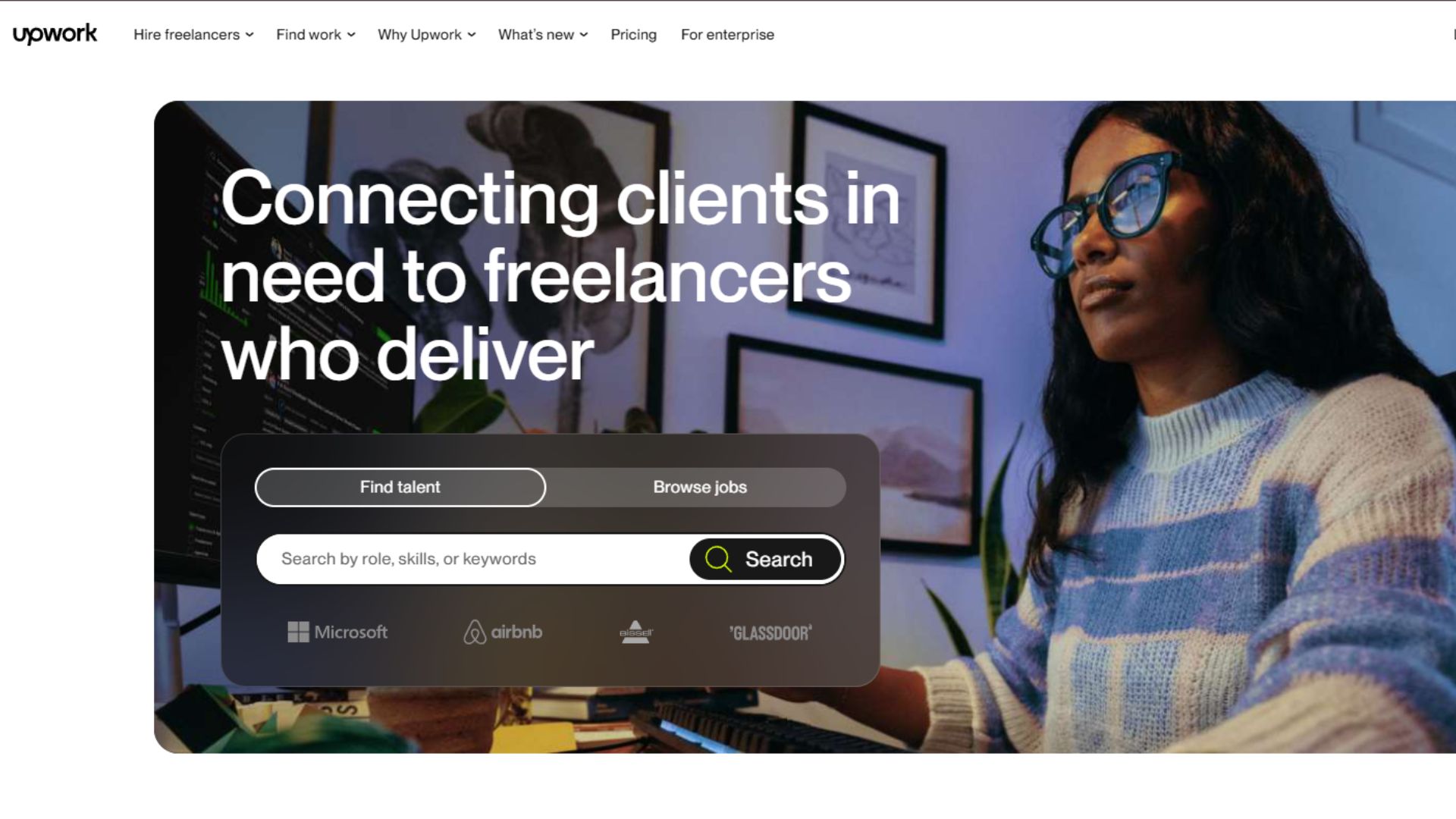
Finding the right job opportunities as a real estate photo editor involves exploring multiple platforms and focusing on companies that specialise in real estate visual production. Below are effective avenues to search:
Freelance Marketplaces
One of the most accessible ways to find photo-editing assignments is through freelance marketplaces. Platforms such as Upwork, Fiverr, and PeoplePerHour regularly feature jobs tagged with real estate photo editing, HDR retouching, or property image enhancement.
To leverage these platforms:
Create a detailed profile listing your editing tools (e.g., Adobe Photoshop, Lightroom), techniques (e.g., sky replacement, day-to-dusk conversion), and upload a strong before/after portfolio.
Job Boards and Remote Work Listings
In addition to freelance platforms, you can find more stable or full-time roles via job boards. Check sites like Indeed, Glassdoor, or browse through LinkedIn jobs with filters “remote”, “photo editor”, “real estate imagery”. Here’s how to stand out:
- Tailor your CV to highlight specific real-estate editing skills (HDR, object removal, perspective correction).
- Include metrics or examples where possible (e.g., “Reduced image-turnaround time to 12 hours for 200+ listings”).
- Emphasise your ability to adapt to different styles (residential, commercial, luxury listings).
Specialised Real Estate Editing Companies
A highly strategic path is to target companies that operate exclusively in real-estate photo and video post-production. These companies understand the sector’s unique visual requirements and often have ongoing workflows.
By aligning with a specialised firm, you gain several advantages:
- Access to a consistent volume of job orders from real estate agencies and photographers.
- Opportunity to sharpen niche expertise (e.g., twilight conversions, virtual staging), which is highly valued in real-estate marketing.
- Working in a professional workflow environment can enhance your portfolio and credibility for future opportunities.
Networking and Real-Estate Industry Channels
Finally, do not neglect networking within the real-estate photography & editing community. Join LinkedIn groups or Facebook communities for real-estate editors, follow hashtags such as #RealEstatePhotoEditing or #HDRProperty on Instagram, and engage with content from firms like Rotider Media, which often showcase their work and may highlight hiring or collaboration opportunities.
Join the Professional Real Estate Editing Team at Rotider Media
Rotider Media is a specialized real estate photo editing company that offers global opportunities for talented editors who are passionate about visual storytelling. The company provides high-quality HDR blending, twilight, and day-to-dusk editing, and virtual staging services for realtors and agencies worldwide.
By joining Rotider Media, you become part of a creative and professional environment where quality, speed, and consistency are valued at every step. The team focuses on helping editors grow their technical and creative skills through real-world projects with international clients.
If you’re looking to build a stable, long-term career in real estate photo editing, Rotider Media is the perfect place to sharpen your expertise, collaborate with global professionals, and contribute to creating property images that truly make an impact.
Annie Doo
Professional Video Editor
Hi, I’m Annie Doo, a professional video editor specializing in real estate post-production. Through hands-on experience with real-world projects, I’ve developed a strong understanding of visual storytelling, pacing, color, sound, and the workflows behind polished real estate videos. Here, I share practical insights, editing techniques, and production knowledge drawn from my day-to-day work in video post-production.
Was this article helpful?
Your feedback helps us create more useful real estate media guides.
Share this article


No Spam, Just Updates
Our fresh blogs provide technical and industrial information that helps strengthen your business. Sign up to be the first to receive the new updates
Related Posts
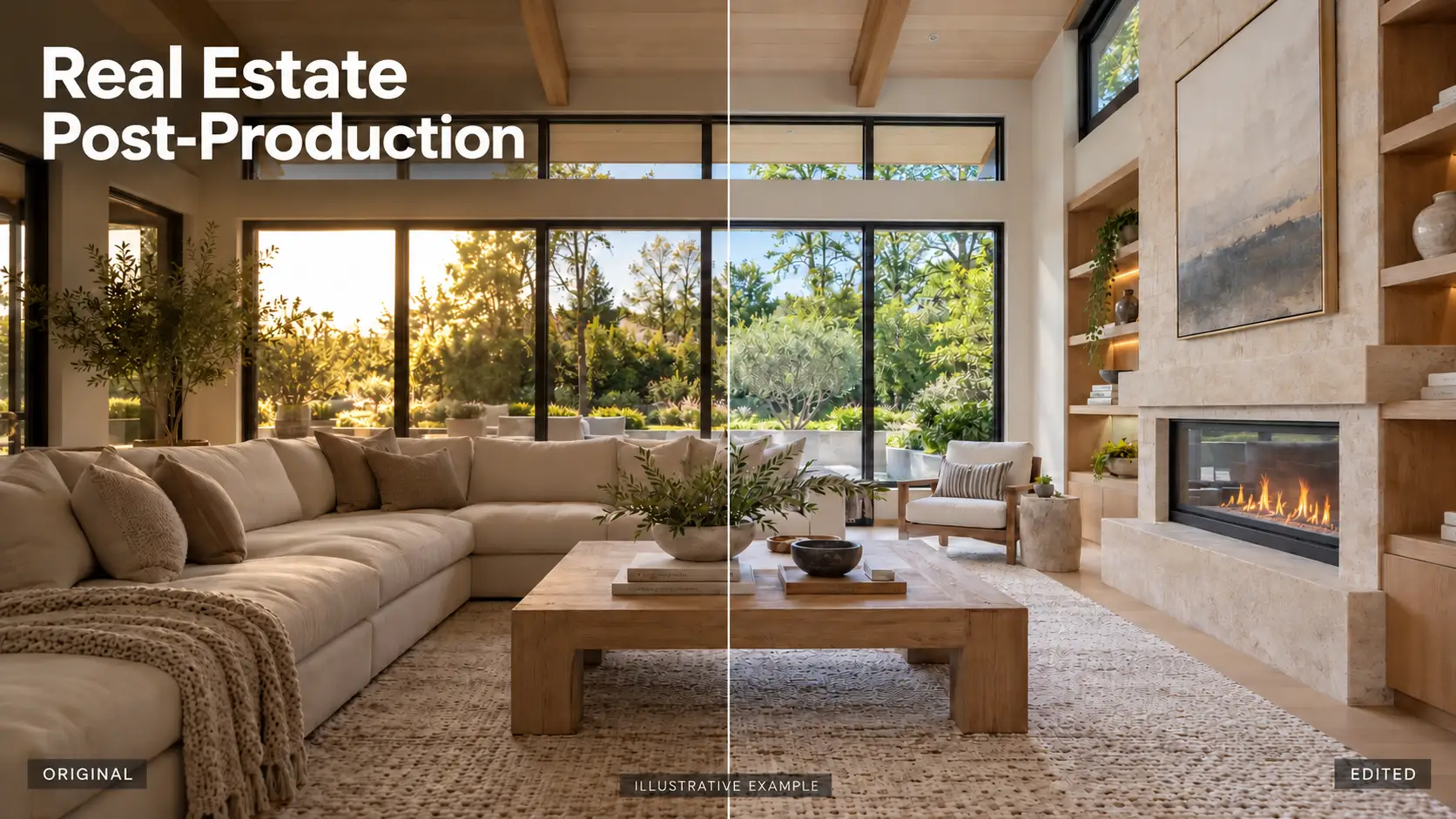
Real Estate Post-Production: A Complete Guide for Photographers and Media Teams
Oct 2, 2026
AI in Real Estate: A New Leap for Property Professionals
Sep 9, 2026
AI for Real Estate Marketing: A Practical Guide for Agents and Agencies
Sep 9, 2026
AI for Real Estate Agents: Practical Uses and Future Trends
Sep 7, 2026
15 Real Estate AI Companies to Know in 2026
Sep 5, 2026