
November 27, 2025
Commercial Real Estate
Insurance for Commercial Property: Tips for Owners

Commercial property insurance plays an important role in protecting commercial properties from unpredictable risks such as fire, natural disasters, or theft. For owners, choosing the right insurance package not only helps minimize financial losses but also ensures stable business operations. This article will help you understand what commercial property insurance is, the common types of insurance, and the key factors to consider when choosing.
1. What Is Commercial Property Insurance?
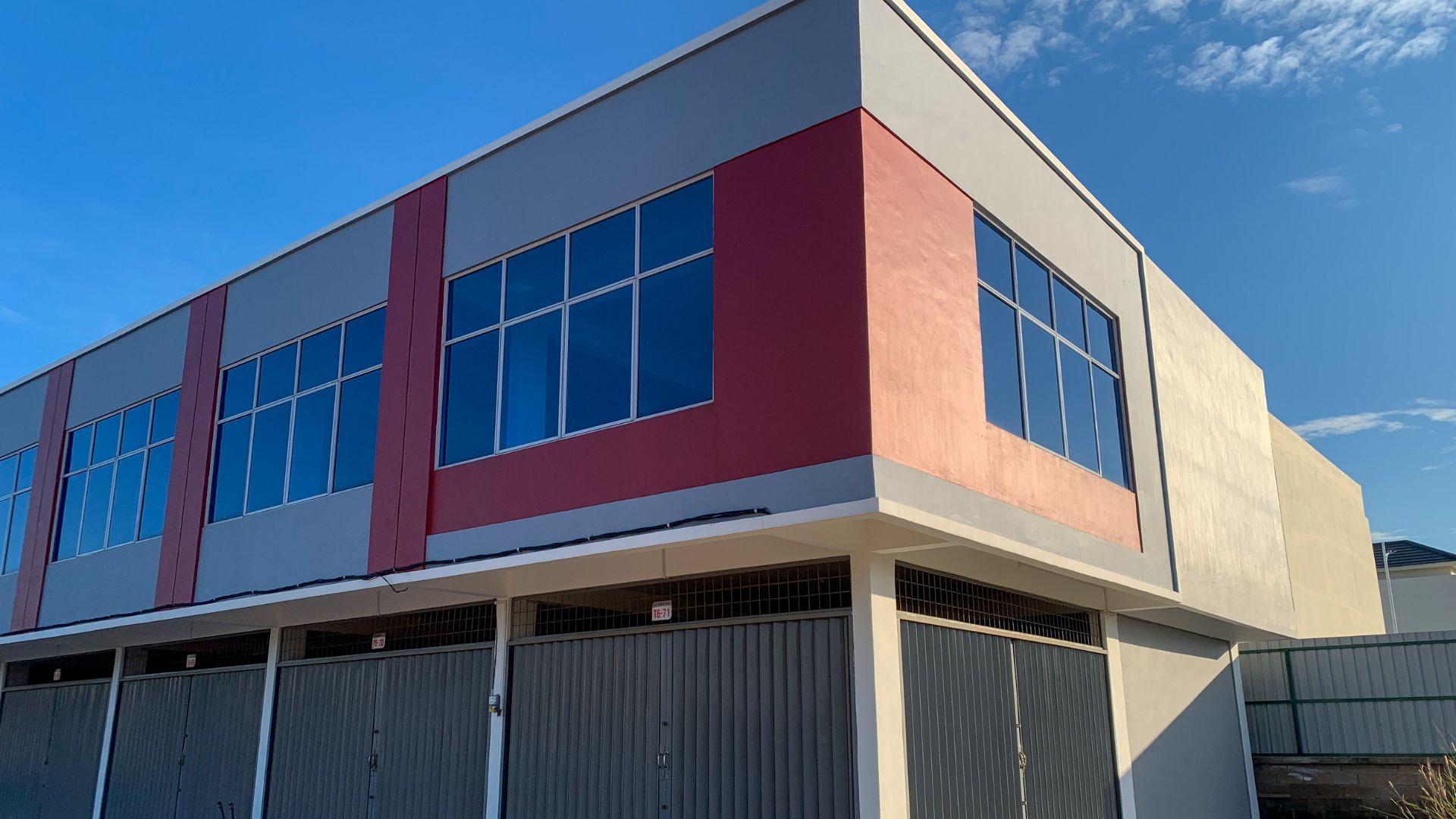
Commercial property insurance is a type of coverage designed to protect business-owned real estate and physical assets from unexpected damage or loss. This insurance typically applies to properties such as office buildings, retail stores, warehouses, restaurants, and mixed-use commercial spaces. A standard commercial property insurance policy covers risks such as fire, theft, vandalism, storms, and certain types of accidental damage that could affect the building’s structure or its contents. For property owners and investors, it provides essential financial protection, ensuring that costly repairs, equipment replacement, or operational disruptions don’t lead to significant setbacks. In real estate environment, commercial property insurance is a critical safeguard that helps owners preserve the long-term value and stability of their commercial assets.
2. Types of Insurance for Commercial Property
Choosing the right types of insurance for commercial property is essential for protecting both the building and the business operations that rely on it. Each coverage option serves a specific purpose, helping owners reduce financial risks and maintain long-term stability. Below are the most important types of commercial property insurance that property owners should consider:
Building Insurance
Building insurance protects the physical structure of your commercial property, including walls, roof, floors, windows, doors, plumbing, electrical systems, and permanent fixtures.
Unexpected events such as fires, storms, vandalism, or accidental damage can cause costly repairs. Building insurance ensures you can restore or rebuild the property without suffering financial loss.
Contents Insurance
Contents insurance covers all movable assets inside the property, such as office furniture, computers, inventory, machinery, kitchen equipment, and other business-related items.
Damage or theft of assets can disrupt operations and lead to significant financial loss. Contents insurance helps replace or repair these items, allowing the business to continue running smoothly.
Liability Insurance
Liability insurance protects property owners from legal and medical costs if someone is injured on the premises or if property damage occurs due to business operations.
Accidents can happen anytime. Liability insurance prevents lawsuits or claims from creating a heavy financial burden, safeguarding both your assets and reputation.
Business Interruption Insurance
This coverage compensates for lost income and operational expenses if the business must pause due to property damage or other covered events.
Even if the building and contents are repaired, a business can lose revenue while closed. Business interruption insurance ensures ongoing financial stability during downtime.
Natural Disaster Coverage
Natural disaster coverage protects property and contents from events such as floods, earthquakes, hurricanes, and wildfires.
Standard commercial property insurance often excludes certain disasters. Adding this coverage ensures your investment is safe in high-risk areas, preventing catastrophic financial losses.
By understanding what each type of commercial property insurance covers and why it’s necessary, property owners can make informed decisions to protect their buildings, assets, and business operations fully.
3. Key Factors Choosing Commercial Property Insurance
Choosing the right commercial property insurance requires a clear understanding of your property, its risks, and how your business operates. Each factor below is interconnected and can directly affect the coverage you need and the premiums you pay:
- Location and Risk Exposure: The location of your property determines the types of risks it faces. Properties in areas prone to floods, earthquakes, hurricanes, or high crime rates may need specialized coverage or additional riders.
- Property Value and Replacement Cost: Accurately valuing your building and contents is crucial. Underestimating the replacement cost can leave you underinsured, while overestimating may increase premiums unnecessarily.
- Type of Tenants and Property Use: Who occupies your property and how it is used can significantly influence your risk exposure. By considering tenant type and property use, you can choose a policy that aligns with the specific risks of your commercial property.
- Building Age, Condition, and Materials: Older buildings or those built with flammable or outdated materials may have higher risks. Regular maintenance and structural upgrades can lower premiums.
- Claims History: Past claims can impact both your insurance options and premium costs. Understanding past incidents allows you to choose a policy that accounts for potential recurring issues.
- Insurance Provider Reputation and Policy Terms: Finally, the provider you choose matters as much as the coverage itself. Reliable insurers with transparent policy terms, quick claims processing, and appropriate add-ons ensure that your commercial property insurance meets all your needs.
4. How Quality Photos Support Insurance for Commercial Property
Quality photos play a crucial role in strengthening insurance for commercial property. They provide clear, reliable evidence of the property’s condition, help document valuable assets, and support insurers in assessing risk accurately.
With professional photography and proper documentation, property owners can streamline the claims process and protect their investments more effectively.
Here’s how they help support insurance:
- Document Property Condition: Capture the building’s structure, finishes, and systems to establish a clear record before any incident occurs.
- Highlight Details with HDR Photography: Reveal subtle issues such as cracks, moisture, or equipment wear that standard photos might miss.
- Create an Accurate Inventory of Assets: Record interior items like furniture, electronics, machinery, and inventory to verify losses quickly.
- Enhance Clarity Through Professional Editing: Improve lighting, sharpness, and color accuracy so insurers can assess details reliably.
- Support Faster and More Accurate Claims: Well-documented images minimize disputes, clarify damage, and help ensure fair compensation.
Commercial property insurance is essential for protecting buildings, assets, and business operations from unexpected risks. By understanding what the coverage includes, choosing the right policy, and maintaining accurate documentation, property owners can safeguard their investments with confidence. High-quality photography plays a key role in this process, offering clear visual proof that supports risk assessment and speeds up insurance claims. When combined with the right insurance strategy, professional images help ensure long-term stability and protection for any commercial property.
Ready to strengthen your insurance documentation and protect your property with clearer, more reliable visuals? Rotider Media offers professional editing services designed to capture every detail with accuracy. Contact us today to elevate your property documentation and support your commercial property insurance with confidence.

Annie Doo
Professional Video Editor
Hi, I’m Annie Doo, a professional video editor specializing in real estate post-production. Through hands-on experience with real-world projects, I’ve developed a strong understanding of visual storytelling, pacing, color, sound, and the workflows behind polished real estate videos. Here, I share practical insights, editing techniques, and production knowledge drawn from my day-to-day work in video post-production.
Was this article helpful?
Your feedback helps us create more useful real estate media guides.
Share this article


No Spam, Just Updates
Our fresh blogs provide technical and industrial information that helps strengthen your business. Sign up to be the first to receive the new updates
Related Posts

Real Estate Post-Production: A Complete Guide for Photographers and Media Teams
Oct 2, 2026
AI in Real Estate: A New Leap for Property Professionals
Sep 9, 2026
AI for Real Estate Marketing: A Practical Guide for Agents and Agencies
Sep 9, 2026
AI for Real Estate Agents: Practical Uses and Future Trends
Sep 7, 2026
15 Real Estate AI Companies to Know in 2026
Sep 5, 2026