Real estate editor jobs offer exciting opportunities for creative professionals who can transform raw property images and videos into eye-catching visuals. From HDR photo enhancement to cinematic video editing, this role blends art and technology to make every property stand out.
In this guide, you’ll discover what real estate editors do, the essential skills to succeed, potential career paths, and where to find the best opportunities in this rapidly expanding field.
1. What Is a Real Estate Editor?
In the real estate industry, visuals play a crucial role in how listings perform online. High-quality imagery can significantly increase engagement rates, property inquiries, and even sales conversions. That’s why real estate editor jobs are becoming highly sought-after across real estate agencies, marketing studios, and post-production companies worldwide.
There are several types of real estate editors depending on their area of expertise:
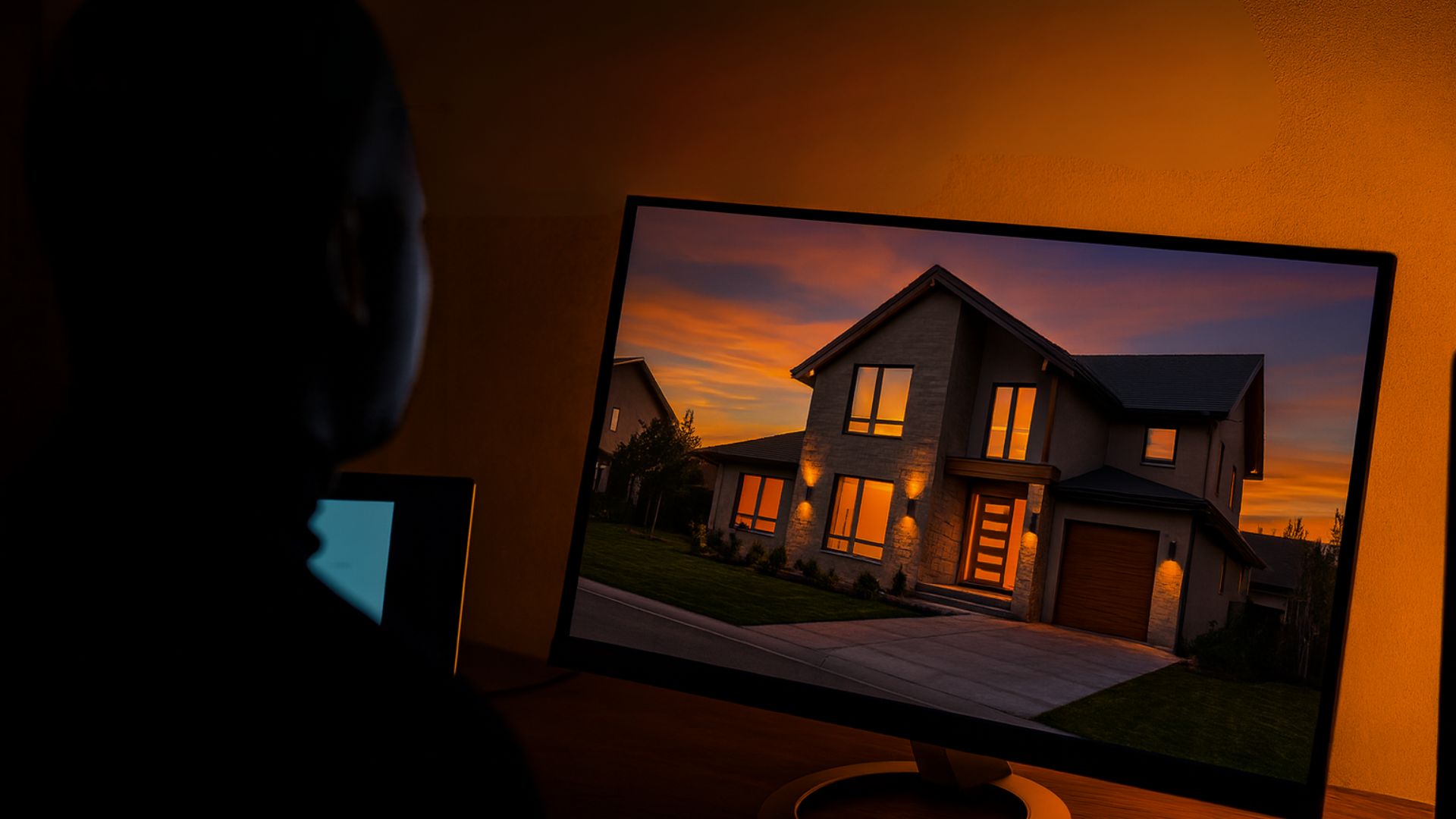
- Real Estate Photo Editors handle HDR blending, sky replacement, day-to-dusk conversions, and object removal to create bright, balanced, and appealing images.
- Real Estate Video Editors craft cinematic property tours, promotional reels, or short-form videos that highlight each property’s best features.
- AI Visual Editors utilize artificial intelligence tools, such as Generative Fill, Topaz, or Runway, to accelerate workflows while maintaining natural realism.
2. Career Opportunities for Real Estate Editor Jobs
The growth of property marketing and online listings has increased the demand for skilled editors. Whether you’re interested in freelancing, in-house roles, or remote work, there are many options to find real estate editor jobs that match your goals and lifestyle. Here are some real estate editor job opportunities:
Freelance Platforms
– Ideal for beginners or editors who prefer flexible, project-based work.
– Popular platforms include Upwork, Fiverr, and Freelancer.
– You can find short-term editing projects such as:
- HDR photo enhancement
- Sky replacement or day-to-dusk conversion
- Object removal and color correction
- Video editing for property walkthroughs
Freelancing helps you:
- Build an international portfolio
- Set your own rates and working hours
- Collaborate with clients worldwide
Job Boards
Ideal for individuals seeking long-term or full-time real estate editor positions.
Common websites to explore:
- Indeed
- LinkedIn Jobs
- Glassdoor
- Behance (for creative portfolios)
Benefits of applying through job boards:
- Stable workload and fixed income
- Opportunities for training and career growth
- Collaboration with professional teams in real estate marketing
Remote and International Opportunities
Many real estate media companies hire editors remotely, allowing you to work from anywhere.
Editors from Asia, Eastern Europe, or Latin America often collaborate with agencies in the U.S., U.K., and Australia.
Advantages of remote real estate editing:
- Access to global clients and higher pay rates
- Flexibility to work across time zones
- Exposure to diverse editing styles and quality standards
3. Essential Skills for a Real Estate Editor
To succeed in today’s fast-growing property media industry, professionals seeking real estate editor jobs must develop both technical expertise and soft skills. These two skill sets complement each other — ensuring editors not only produce visually stunning results but also work efficiently and professionally in a team or freelance environment.
3.1. Technical Skills
Technical skills are the foundation of every successful real estate editor. Mastering editing tools and visual techniques allows you to transform ordinary property photos into high-impact marketing images.
Key areas to focus on include:
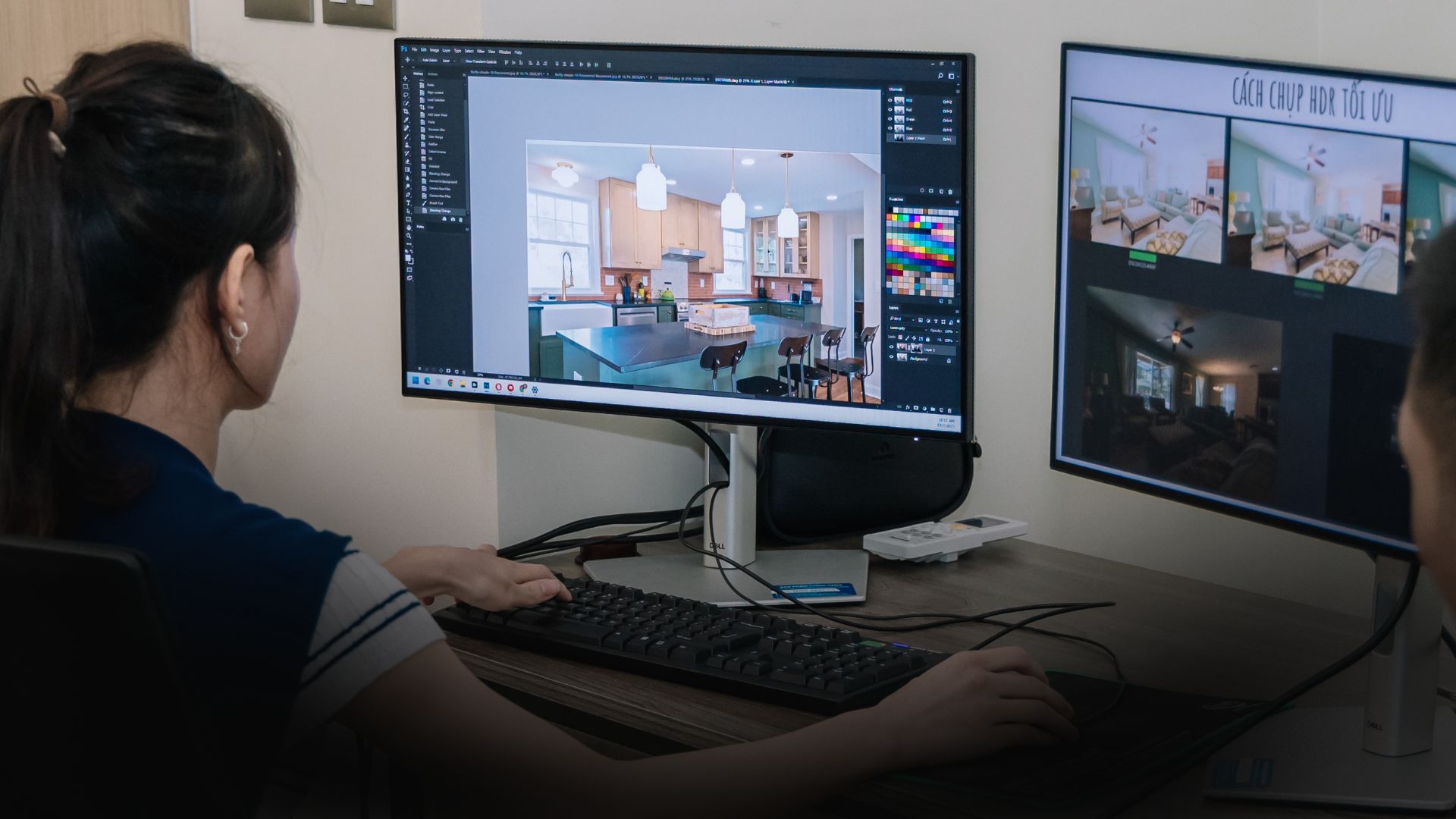
- Photo Editing Software: Proficiency in Adobe Photoshop, Lightroom, and other editing platforms is essential. These tools are used for HDR blending, exposure balancing, and color correction.
- Video Editing Tools: Knowledge of Premiere Pro, After Effects, or DaVinci Resolve helps editors craft cinematic property tours and promotional videos.
- Real Estate-Specific Techniques: Editors should be skilled in sky replacement, object removal, day-to-dusk conversion, and perspective correction to enhance visual appeal while maintaining realism.
- Composition and Lighting: Understanding spatial balance, natural light correction, and color harmony ensures properties look inviting and authentic.
- File Management and Workflow: Efficient organization and consistent export settings help maintain quality across multiple listings and clients.
3.2. Soft Skills
While technical skills handle the creative side, soft skills define how editors manage projects and relationships, especially in remote or international work environments common to real estate editor jobs.
Essential soft skills include:
- Attention to Detail: Spot and correct subtle issues such as uneven tones, reflections, or crooked lines that can affect photo quality.
- Time Management: Balance multiple projects, meet deadlines, and maintain consistent delivery speed without compromising quality.
- Communication: Collaborate effectively with photographers, agents, and creative teams. Clear communication ensures the final product aligns with the client’s vision.
- Adaptability: Stay updated with the latest editing trends, AI-assisted tools, and real estate marketing standards to stay competitive.
- Problem-Solving: Handle last-minute changes or technical challenges quickly and professionally.
4. Career Path: How to Become a Real Estate Editor
Becoming a professional in real estate editor jobs requires more than just creative talent, but also a process of building technical expertise, developing a portfolio, and understanding how the real estate industry operates.
Whether you’re transitioning from photography, graphic design, or video production, following a clear path will help you establish yourself as a skilled and reliable real estate editor.
4.1. Build a Strong Foundation in Photo and Video Editing
Start by mastering essential editing software such as Adobe Photoshop, Lightroom, and Premiere Pro. Learn the fundamentals of color correction, HDR blending, object removal, and sky replacement. For video, explore tools like After Effects or DaVinci Resolve to create smooth property walkthroughs and highlight reels
4.2. Understand Real Estate Visual Standards
Learn how lighting, angles, and color balance affect how potential buyers perceive a space. Explore real estate photography guides, before–and–after editing examples, and marketing trends to understand what makes a listing photo stand out.
4.3. Build a Professional Portfolio
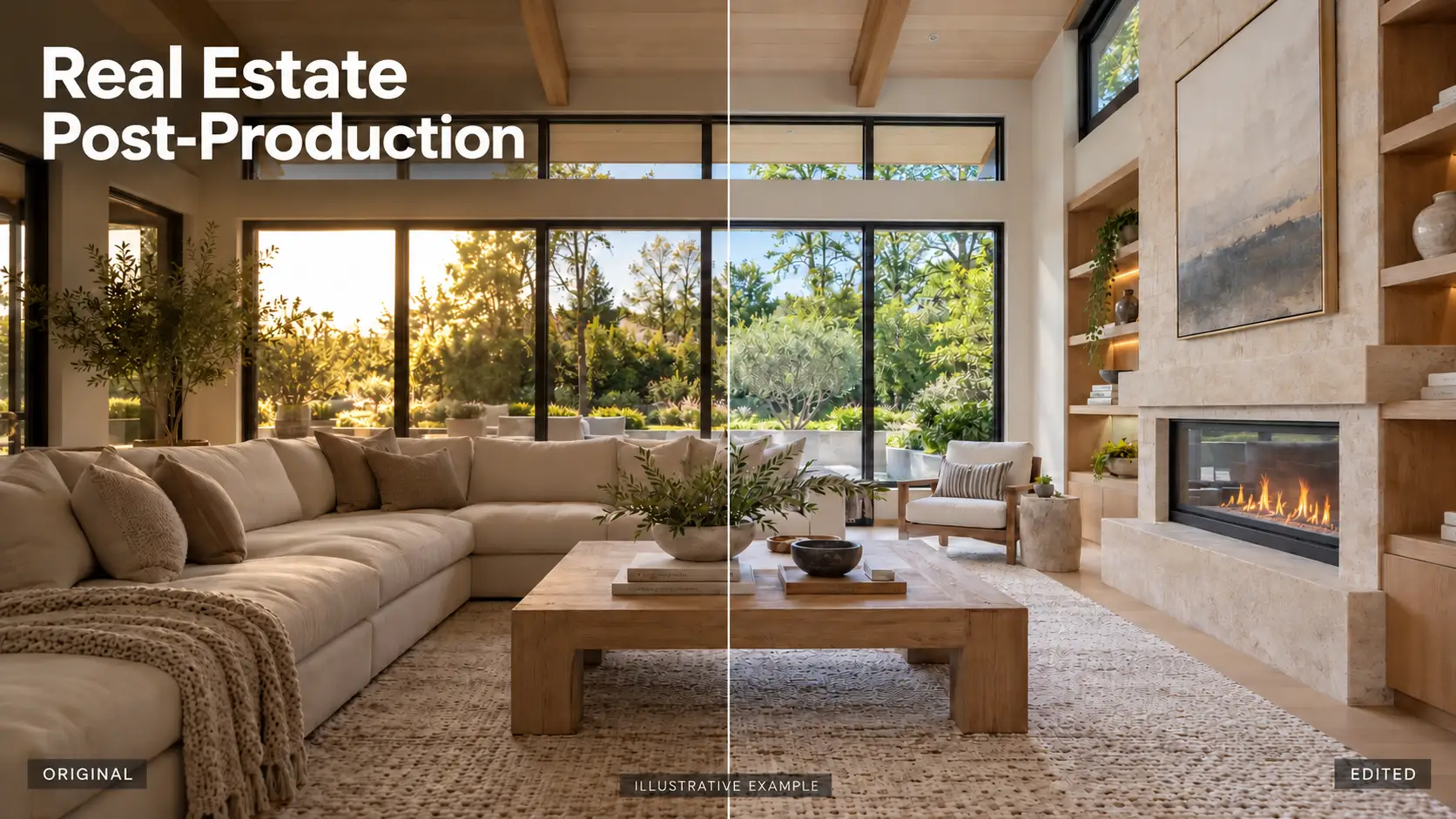
Your portfolio is your strongest tool to attract clients or employers. Include diverse samples such as interior HDR edits, twilight conversions, and virtual staging. Present clear before-and-after comparisons to highlight your editing process.
4.4. Gain Real-World Experience
Start small by offering your services on freelance platforms like Upwork or Fiverr, or collaborate with local photographers. This stage helps you build client communication skills, learn how to manage deadlines, and understand common editing requests from real estate professionals. Over time, consider applying to post-production studios or real estate marketing agencies for more stable work.
4.5. Keep Learning and Evolving
The real estate media industry is evolving fast, especially with AI-assisted editing tools, 3D visualization, and virtual staging. To stay relevant, regularly update your skills through online courses, YouTube tutorials, or community workshops. Following industry trends not only improves your craft but also gives you a competitive edge in advanced real estate editor jobs.
Building a career as a real estate editor takes time, dedication, and creativity. By mastering the right tools, building a strong portfolio, and continuously improving your skills, you can turn your passion for editing into a global career.
5. Where to Find Real Estate Editor Jobs
Finding the right opportunities in real estate editor jobs depends on your experience level, skill set, and preferred work style. Here are some ways you can find real estate editor job opportunities:
Freelance and Remote Platforms
If you’re just starting, freelance platforms like Upwork, Fiverr, and Freelancer are excellent places to find entry-level projects. These sites allow you to collaborate with real estate photographers, agents, and agencies worldwide. Building a strong client base through freelancing also helps you improve your portfolio, ratings, and workflow efficiency.
Professional Job Boards
Websites such as Indeed, LinkedIn Jobs, and Glassdoor frequently post openings for real estate photo and video editors. Many marketing studios, property agencies, and virtual tour companies are constantly seeking skilled editors who can deliver fast, high-quality work.
Creative Communities and Networks
Joining creative communities like Behance, ArtStation, or specialized Facebook groups for real estate editing can help you connect with other professionals and potential employers. Networking within these spaces often leads to collaboration opportunities and long-term partnerships.
Explore Career Opportunities at Rotider Media
If you’re passionate about creative real estate editing and want to work with an international team dedicated to visual excellence, consider exploring opportunities at Rotider Media.
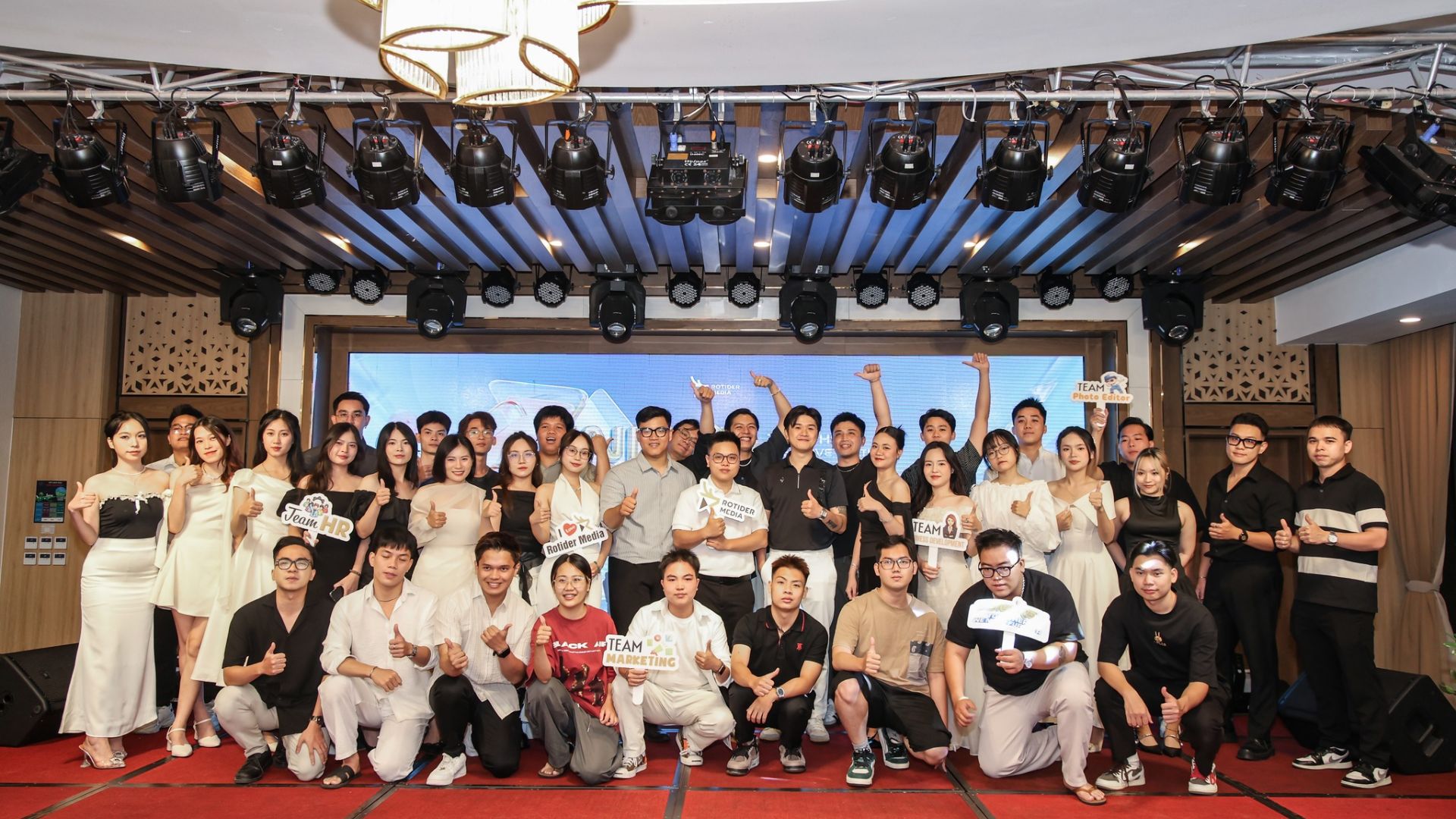
Rotider Media is a professional real estate post-production company trusted by clients across the United States, Australia, and Europe. The company specializes in transforming raw property visuals into market-ready masterpieces that help real estate professionals capture buyer attention and drive faster sales.
With a dedicated team of experienced editors and creative specialists, Rotider Media delivers a wide range of services, including: HDR photo editing, twilight and day-to-dusk conversions, sky replacement, object removal, video editing, virtual stagging, and AI-enhanced visual effects. Every project follows a precise workflow that combines technical accuracy with artistic vision, ensuring natural lighting, balanced colors, and a visually compelling presentation for every property.
Here, editors are not only part of an experienced team but also develop through continuous learning, creative challenges, and access to cutting-edge editing tools. Check out job opportunities at Rotider.com