Real estate video editing jobs are becoming one of the most in-demand roles in property marketing. As real estate agents rely more on video, skilled editors are essential for creating market-ready listings. This guide explains the role, required skills, 2025 salary expectations, and how to start this career.
1. What Are Real Estate Video Editing Jobs?
Real estate video editing jobs focus on transforming raw property footage into polished, market-ready marketing videos. These videos help agents, brokers, and developers present properties effectively across listings, websites, and social media platforms.
Unlike general video editing, this role requires a strong understanding of property presentation and buyer psychology. Editors must highlight space, lighting, and visual flow to create emotional connections with potential buyers.
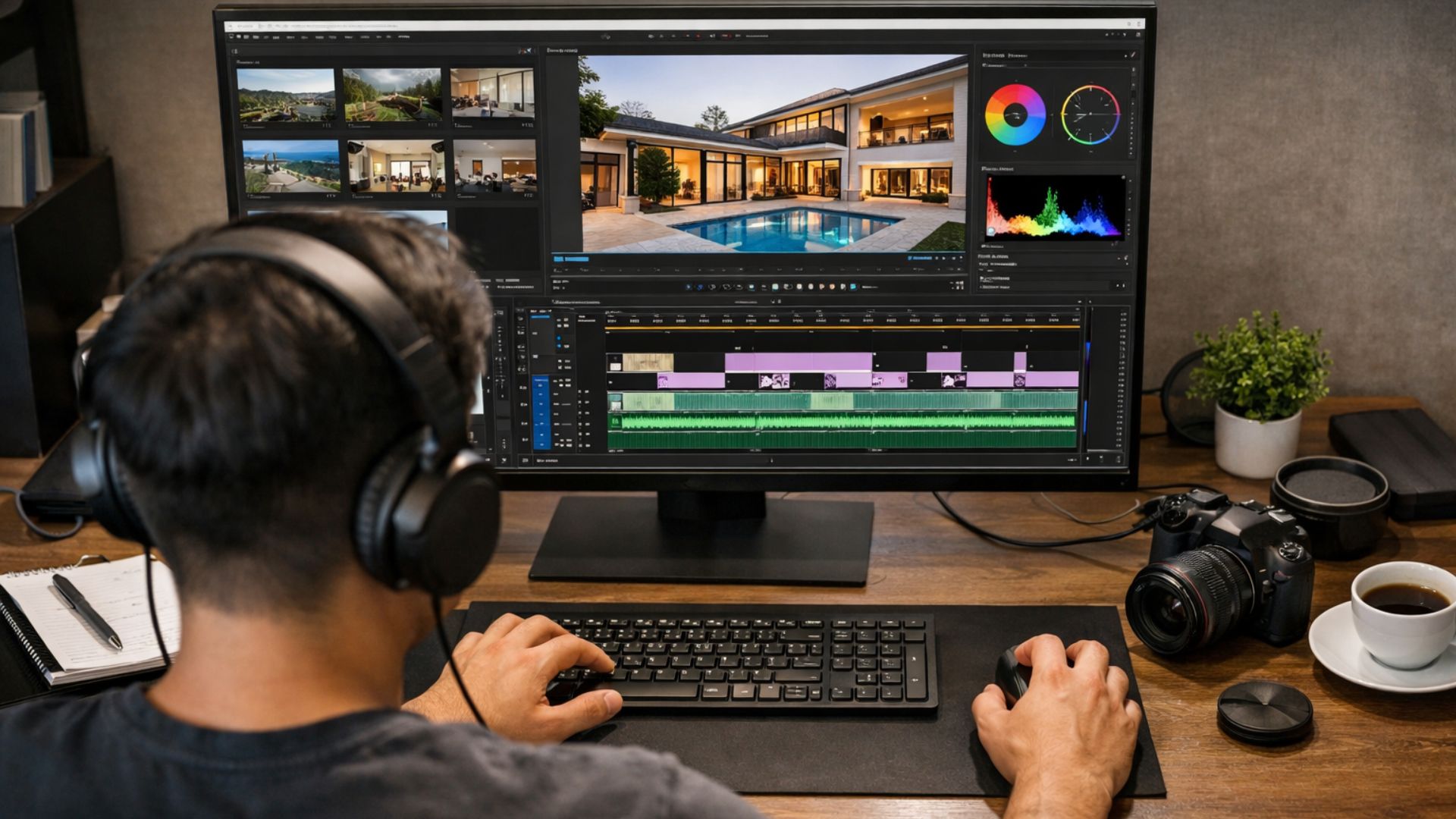
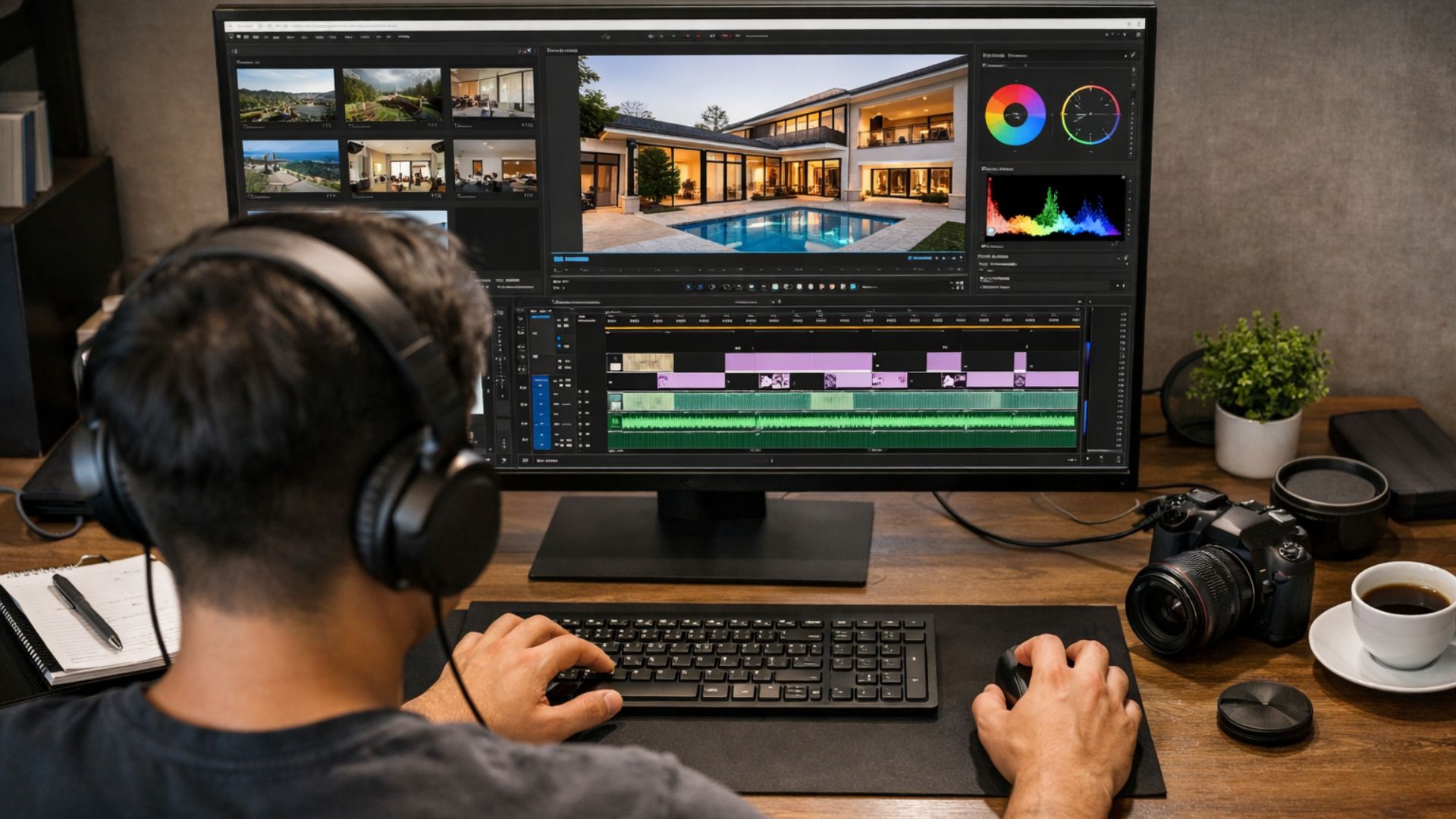
In real estate video editing jobs, editors organize footage into a natural walkthrough sequence that mirrors an in-person property tour. They adjust lighting and colors to accurately represent interior and exterior spaces while maintaining visual consistency. Editors also ensure smooth transitions between rooms, stabilize footage, sync background music, and add text or branding elements. Common projects include property listing videos, cinematic walkthroughs, and drone or aerial footage. Many editors also create short-form videos for Instagram Reels, TikTok, and YouTube Shorts.
As video continues to dominate property marketing, video editing jobs have become a specialized and essential role in the industry.
2. Essential Skills for Real Estate Video Editing Jobs
To succeed in real estate video editing jobs, editors need a balanced mix of technical and professional skills. This role goes beyond basic video editing and focuses on effective property presentation. Editors create videos that are visually appealing, easy to follow, and buyer-focused. Strong real estate knowledge helps videos highlight space, lighting, and key selling points.
Below are the essential skill groups required to work successfully in this field:
Technical video editing skills
A strong technical foundation is essential for real estate video editing jobs. Editors must be proficient in industry-standard software such as Adobe Premiere Pro, Final Cut Pro, or DaVinci Resolve. Key abilities include:
- Clean cutting
- Color correction to ensure accurate lighting
- Basic color grading for visual consistency
- Footage stabilization,
- Audio synchronization
- Exporting videos optimized for platforms and social media
Real estate-specific editing skills
Real estate video editing requires an understanding of how properties are presented to buyers. Editors need to arrange footage in a natural walkthrough sequence that reflects how viewers would explore the property in person. Managing lighting changes between interior and exterior shots, preserving realistic colors, and highlighting important selling points such as spacious layouts, natural light, and exterior views are critical to producing effective real estate videos.
Creative and storytelling skills
Storytelling plays a key role in real estate video editing jobs. Editors must control pacing, transitions, and shot selection to guide viewers smoothly through the space without feeling rushed or disoriented. A strong sense of visual balance and attention to detail help create a professional, high-quality look that enhances the property’s appeal.
Professional and soft skills
Beyond editing techniques, real estate video editing jobs demand strong time management and communication skills. Editors often work with tight deadlines and multiple revision requests, making reliability and efficiency essential. The ability to understand client feedback, respond quickly, and maintain consistent quality helps editors build long-term relationships and succeed in this competitive niche.
Real estate video editing jobs require more than technical editing ability. Editors who combine technical skills, property-focused knowledge, creativity, and professionalism are best positioned to deliver videos that support real estate marketing goals and drive results.
3. Real Estate Video Editing Salary in 2025
Real estate video editing jobs in 2025 can offer competitive compensation, but actual earnings depend heavily on experience, role, and how you choose to work—whether as a full-time employee, freelance contractor, or retainer partner with real estate clients. With video content playing a core role in property marketing, especially in the U.S., editors with strong portfolios and niche skills are finding solid salary opportunities across the industry.
Average salary ranges
While specific real estate editing roles do not always have separate reporting from general video editing, industry salary data gives a useful benchmark. In the U.S., the average video editor earns about $60,000 per year (around $29 per hour) as of late 2025, with most earning between approximately $51,600 and $65,500 annually, depending on experience and location. According to more comprehensive estimates, typical video editors’ annual salaries range from roughly $45,000 at the entry level to over $80,000 for senior editors with extensive experience and advanced skills.
Data specific to real estate roles reinforces this general trend. For example, a real estate–focused video editor position reported an average annual salary of about $58,952 in Richmond, VA, indicating that real estate editing jobs can match or slightly exceed broader editing pay within local markets.
Freelance vs full-time income
Many real estate video editing jobs are freelance or project-based rather than salaried. Freelance rates vary widely:
– Simple edits for short social or listing videos can be priced as low as $5–$10 per video on smaller gigs or entry platforms.
– Ongoing freelance contracts may offer $50–$125 per video, depending on complexity and client budget.
– Some project listings show fixed payments like $250 for 20 videos per month or $800 for combined short and long form content on a full-time basis.
Experienced freelancers with premium skills (cinematic editing, advanced motion graphics, drone footage mastery) often negotiate higher hourly or per-project rates, sometimes aligning with the upper end of broader video editing rates (e.g., $20–$60 per hour for seasoned editors).
Key factors influencing salary
Several elements significantly affect earnings in real estate video editing jobs:
- Experience level: Editors with stronger portfolios and more years of experience typically command higher pay.
- Skills and specialization: Knowledge of advanced color grading, motion graphics, drone footage editing, and fast turnaround can boost rates.
- Location and market: Salaries for editors in major U.S. real estate markets (New York, LA, Miami) tend to be higher than in smaller regions.
- Work structure: Full-time in-house positions usually offer steadier income, while freelance work can provide flexibility and higher peak earnings for skilled specialists.
4. How to Get Real Estate Video Editing Jobs
To secure real estate video editing jobs, editors must adopt a clear approach that combines effective preparation, visibility, and professional positioning. This niche values speed, consistency, and real estate–specific presentation, so focusing on the essentials will help you stand out.
Build a focused real estate video portfolio
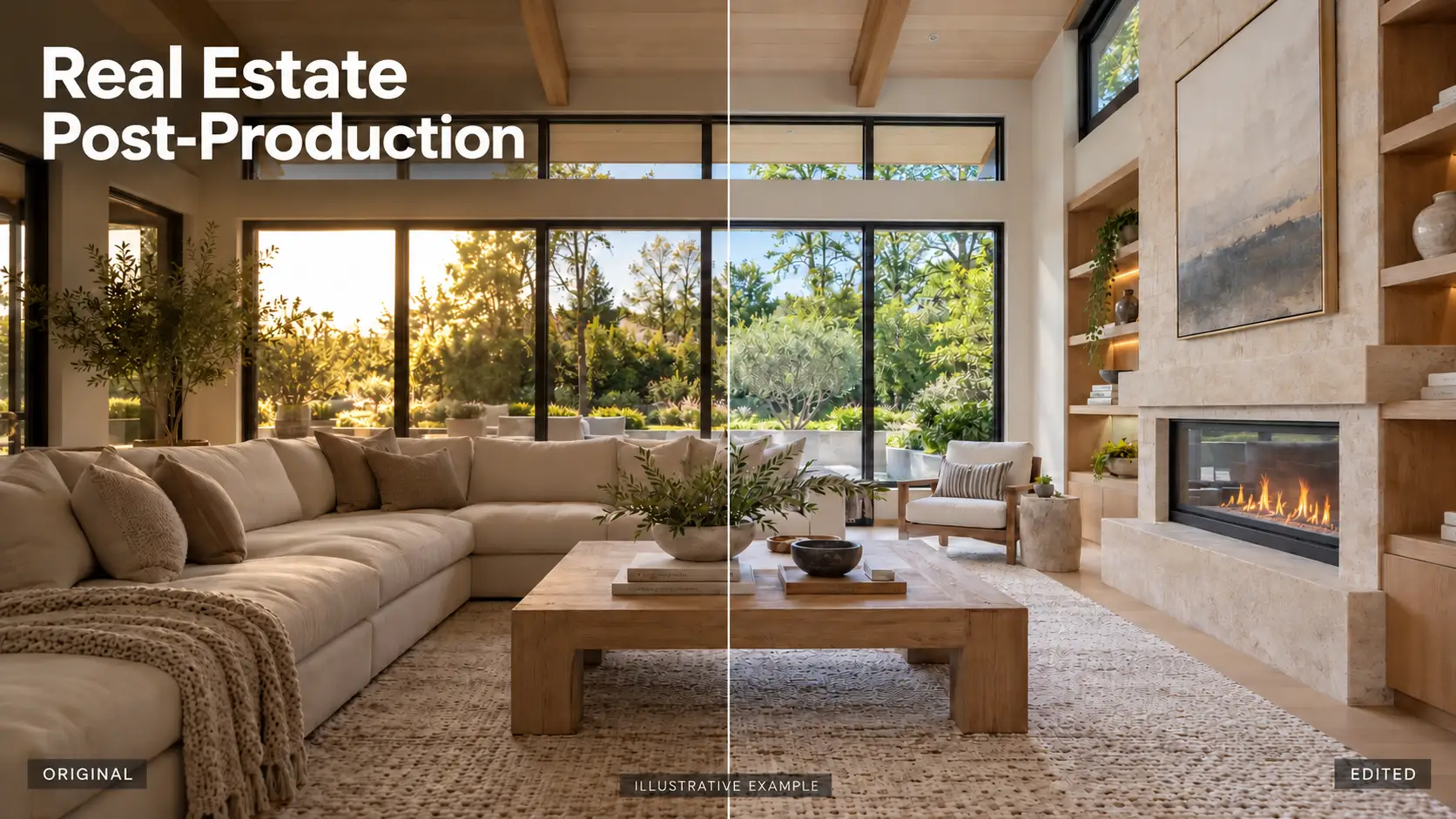
Start by building a portfolio that showcases property listing videos, walkthrough edits, drone footage, and short-form social media clips. Prioritize quality and consistency, and include before-and-after examples to demonstrate the impact of your editing. A strong, real estate–focused portfolio is often more important than formal experience.
Use the right platforms to find jobs
Real estate video editing jobs can be found on freelance platforms, job boards, and through direct outreach. Common sources include freelance marketplaces, real estate agencies, production houses, and collaborations with photographers or videographers. Networking within the real estate and media industry often leads to long-term opportunities.
Position yourself professionally
Clearly define your services, turnaround time, pricing model, and revision policy. Clients prefer editors who communicate clearly and can deliver reliably under tight deadlines. Fast turnaround and consistent quality are key advantages in real estate video editing jobs.
Working with a professional editing service
Working with a professional real estate video editing service allows editors to focus on their craft while benefiting from stable workloads, clear processes, and long-term collaboration opportunities. These services typically work directly with real estate agents, photographers, and production teams, which means editors can gain exposure to real-world projects, consistent quality standards, and industry best practices without having to manage client acquisition on their own.
Partnering with Rotider Media
Rotider Media is a professional real estate photo and video editing company serving clients in the U.S. and international markets. The company specializes in real estate video editing, including property listing videos, cinematic walkthroughs, drone footage editing, and social media–ready content. With a structured workflow, clear quality guidelines, and an experienced production team, Rotider Media provides editors with a stable project flow and opportunities to work on diverse real estate projects. For video editors looking to grow their careers in real estate video editing jobs, partnering with Rotider Media offers more than short-term gigs. It is an opportunity to collaborate within a professional environment, refine real estate–specific editing skills, and build long-term working relationships. As Rotider Media continues to expand, the company is always open to connecting with skilled editors who are interested in future collaboration and career development in the real estate video editing industry.