
August 26, 2025
Real Estate Photography
What Are the Twilight Photos Real Estate Dos and Donts?
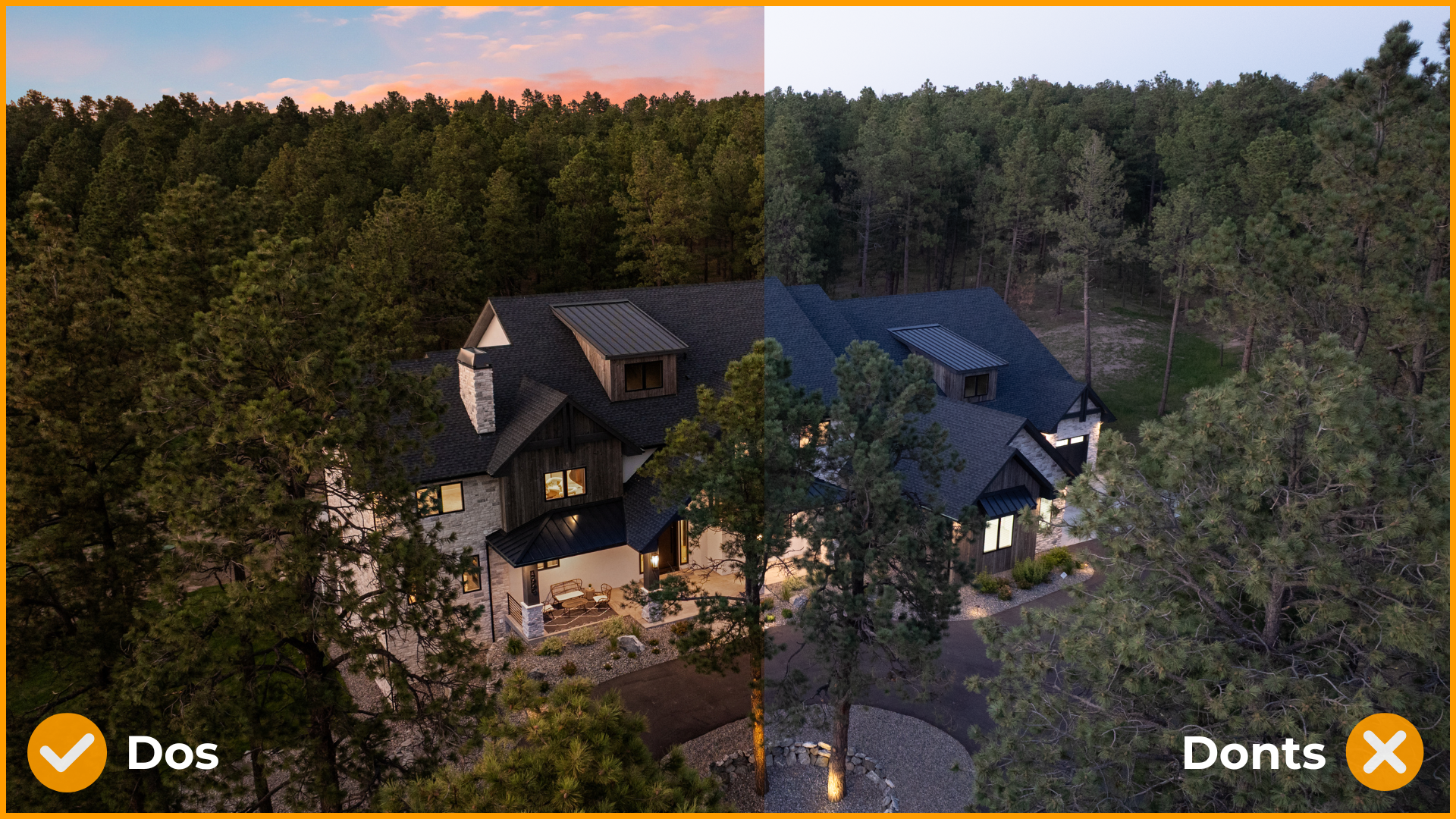
Mastering twilight photos real estate dos and donts can make the difference between a listing that stands out and one that gets overlooked. In this guide, we’ll uncover what twilight photography is, why it’s a powerful tool in real estate marketing, and what you should and shouldn’t do.
The Impact of Twilight Photography in Real Estate Market
Twilight photos in real estate marketing are photographs taken during the short period right after sunset or just before sunrise, often called the “golden hour” or “blue hour”. This timing creates a unique balance between natural light and artificial lighting, making the property appear warm, welcoming, and visually stunning.
Key benefits of twilight photos in real estate:
- Make an impression – The contrast between the glowing sky and illuminated interiors creates a cinematic effect that instantly captures attention.
- Highlighting property features – Perfect for showcasing exterior architecture, landscaped gardens, swimming pools, and outdoor lighting.
- Emotional connection – Warm tones and soft lighting make properties feel more inviting, encouraging potential buyers to imagine living there.
- Increased online engagement – Listings with twilight photos often get up to 3x more clicks compared to standard daytime shots.
- Enhanced brand image for agents – Professional twilight photography signals quality, attention to detail, and premium service.
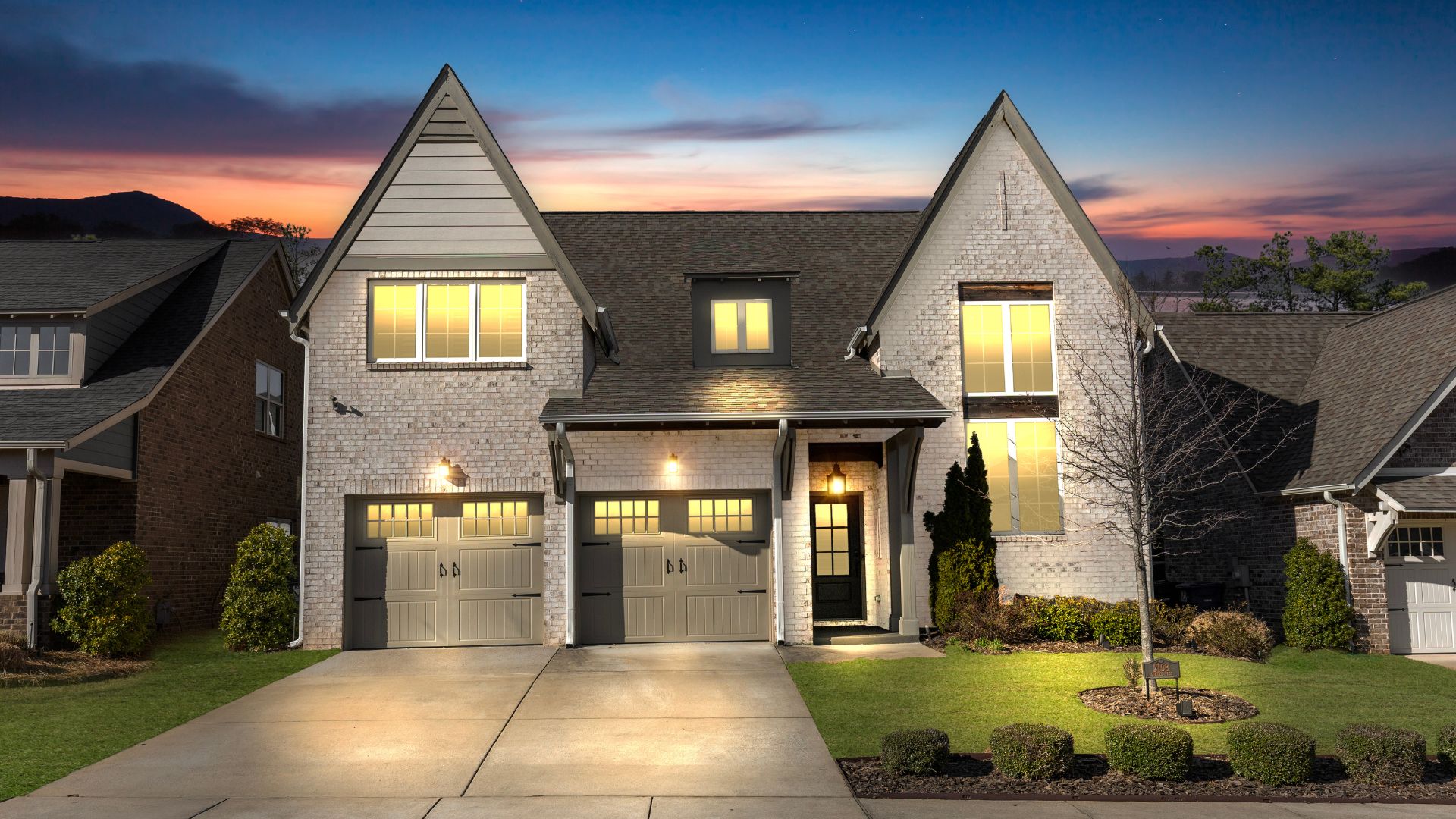
Why Twilight Real Estate Photos Are the Hardest to Edit
Twilight real estate photos are visually stunning, but they are also among the most technically challenging images to edit. Unlike standard daylight photos, twilight images require a precise balance between multiple light sources, color temperatures, and exposure levels.
Here’s why twilight editing is more complex:
Extreme Light Contrast
At dusk, the sky is significantly brighter than the foreground in some areas, yet darker in others. Editors must carefully balance highlights and shadows so the sky remains dramatic without making the property too dark. As Rotider explains in related guides, uneven exposure is one of the most common challenges in twilight shots.
Color Temperature Conflicts
Twilight photography blends cool blue ambient light with warm interior and exterior lighting. If not adjusted correctly, the image can look overly orange or unnaturally blue. Achieving harmony between warm window glow and a cool twilight sky requires precise color grading.
Realistic Sky Replacement
When converting a daytime image into a twilight scene, sky replacement must match the perspective, horizon line, and light direction. Poor masking or mismatched lighting instantly makes the image look fake.
Window Glow Enhancement
Adding warm interior light is not as simple as increasing brightness. Editors must simulate natural light spill, softness, and realistic gradients so the glow feels authentic rather than pasted on.
Maintaining Natural Detail
While enhancing drama, details in landscaping, architecture, and textures must remain sharp and realistic. Over-editing reduces trust and can turn buyers away.
Because twilight editing combines technical precision with creative judgment, it often requires advanced HDR blending, exposure control, and refined masking techniques.
Step-by-Step Twilight Editing Workflow
Whether editing a true dusk image or transforming a daytime photo, a structured workflow ensures consistent, high-quality results.
Step 1: Start with the Right Base Image
Choose a well-composed photo with balanced lighting and minimal blown highlights. A clean daytime exterior image works best for day-to-dusk conversion.
Step 2: Correct Exposure and Base Colors
Adjust overall exposure, contrast, and white balance first. Establish a neutral base before adding creative twilight effects.
Step 3: Replace or Enhance the Sky
Mask out the existing sky and insert a realistic twilight sky with similar perspective and light direction. Blend edges smoothly and add subtle color spill to rooftops for realism.
Step 4: Add Interior and Exterior Light Glow
Turn on all visible lights digitally if needed. Use soft, warm tones and controlled opacity to simulate realistic window glow.
Step 5: Balance Interior and Exterior Brightness
Blend exposures or apply local adjustments so the home feels bright and inviting without overpowering the dramatic sky.
Step 6: Enhance Architectural Details
Refine contrast and clarity to highlight textures, lines, landscaping, pools, and outdoor features that benefit from twilight ambiance.
Step 7: Final Color Grading and Quality Check
Apply subtle global color grading for cohesion. Avoid oversaturation. Ensure shadows remain detailed and skies look vibrant but natural.
A consistent editing workflow not only saves time but also ensures brand consistency across all listings.
When Should Agents Use Twilight Photos?
Twilight photos are powerful, but they should be used strategically rather than for every listing. Here are the specific scenarios where agents can leverage twilight images to strengthen positioning and drive engagement:
Luxury or High-End Properties
In competitive markets, twilight imagery conveys exclusivity and premium value. The dramatic aesthetic can position a property at a higher perceived price point.
Homes with Strong Exterior Lighting
Properties featuring landscape lighting, pools, patios, or architectural accents benefit most from twilight shots because these features shine at dusk.
Listings That Need to Stand Out Online
Studies cited by Rotider show that listings with twilight images can generate significantly more views and clicks compared to standard daylight images.
Using a twilight image as the lead thumbnail can dramatically increase engagement.
Scenic or View-Oriented Homes
In markets such as mountain or coastal areas, sunset and twilight skies enhance the emotional appeal of the property. Real estate photographers on Reddit note that twilight is especially popular in scenic and luxury markets, and often priced as a premium service.
Marketing Campaigns and Social Media
Twilight images perform exceptionally well on Instagram, Facebook, and listing portals because of their cinematic look and scroll-stopping contrast.

Twilight Photos Real Estate Dos and Donts
When it comes to property marketing, few visuals are as eye-catching as twilight real estate photos. These images combine warm interior lighting with a glowing sky, creating an inviting, high-end look that helps listings stand out. However, to make the most of this technique, you need to follow certain dos and don’ts that ensure both aesthetic appeal and professional quality.
The Dos for Stunning Twilight Photos
Choose the Perfect Timing: Shoot within 20–30 minutes after sunset

Use a Tripod: A stable camera setup prevents motion blur in low-light conditions, ensuring sharp, crisp images that look professional.
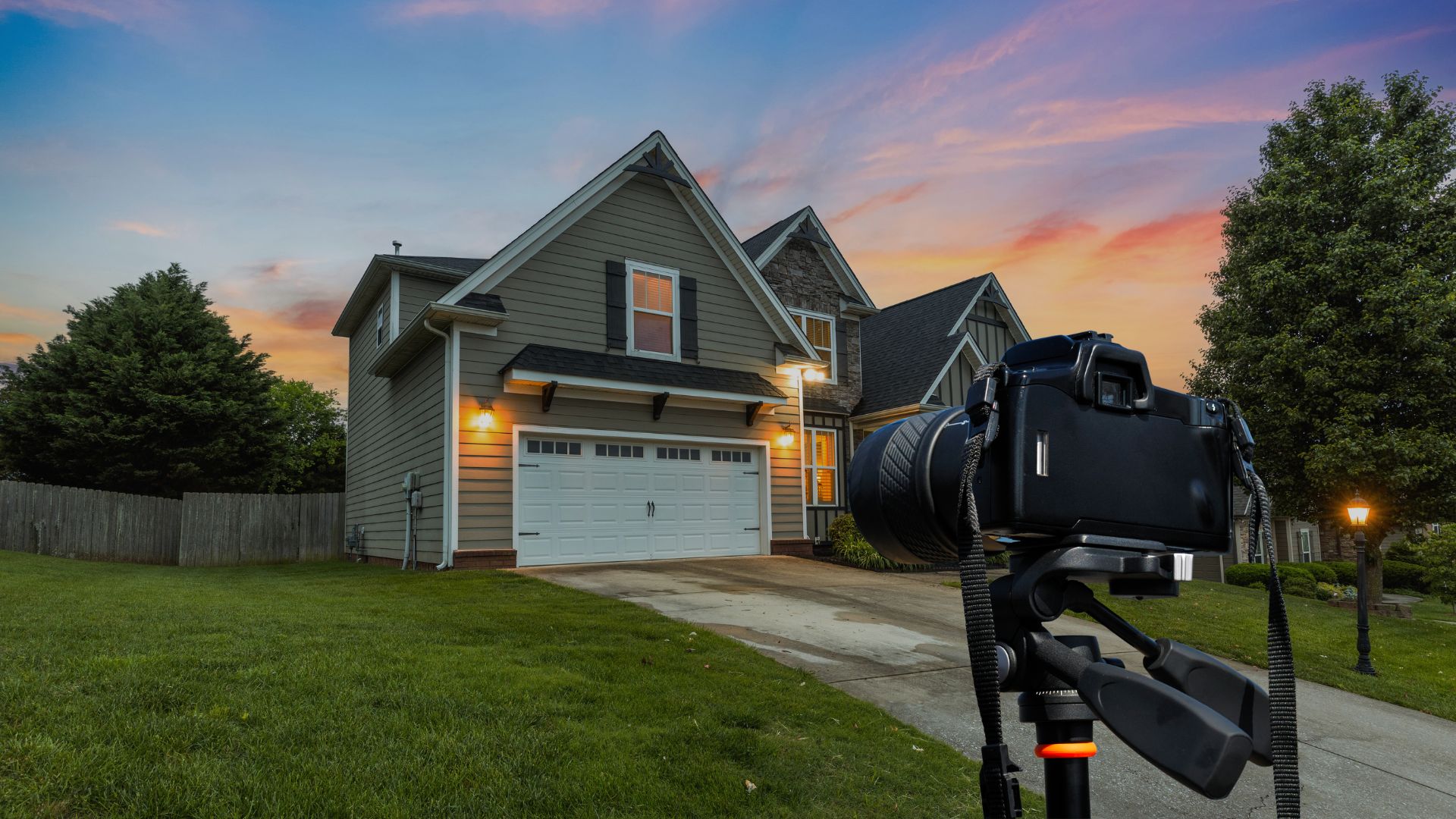
Shoot in RAW Format: Making post-processing easier and more effective for balancing bright skies with darker foregrounds.
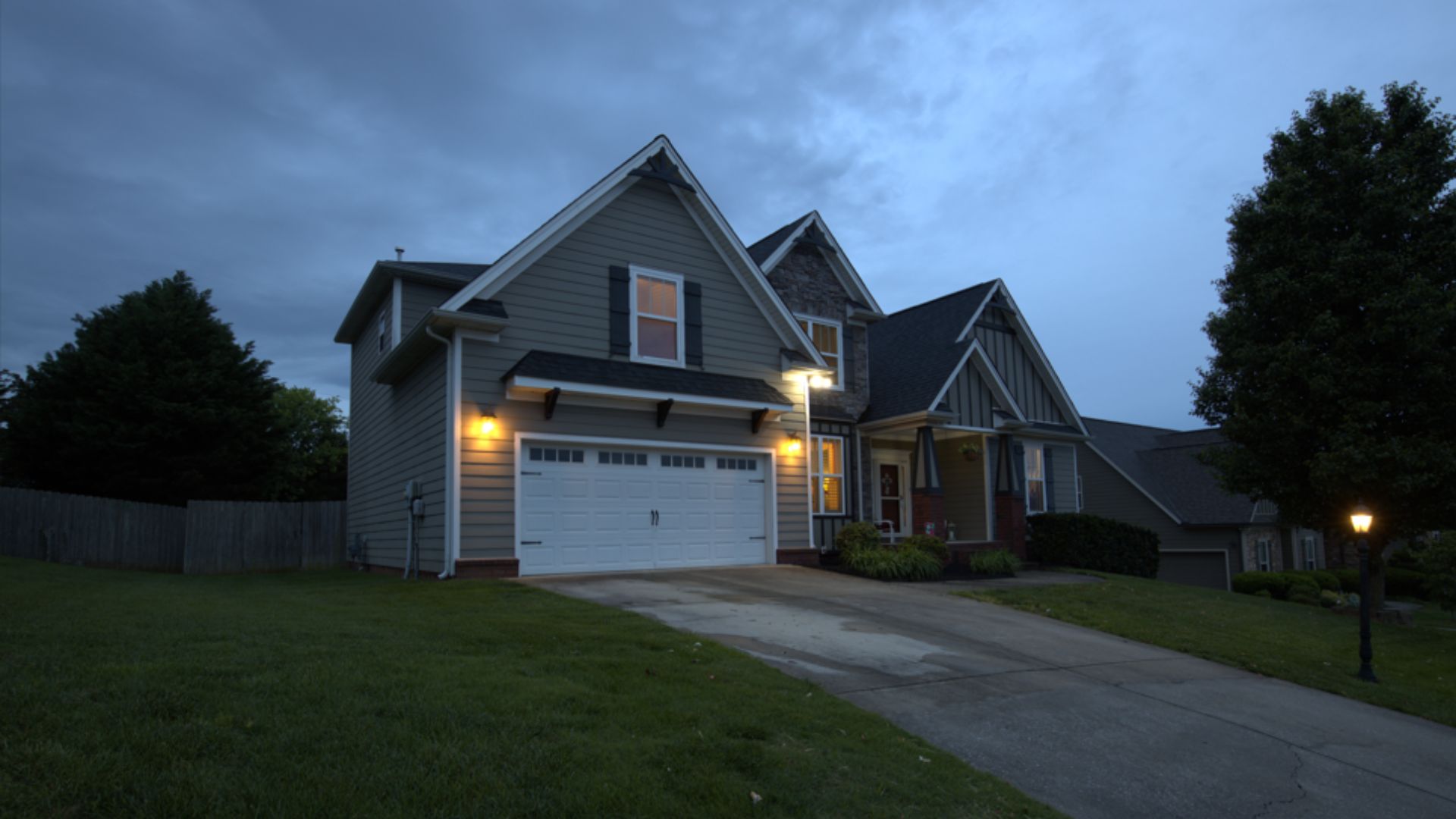
Turn On All Lights: Illuminate both interior and exterior lights to create warmth and depth in the images. Lighting consistency makes the home feel inviting.
Highlight Unique Features: Focus on architectural details, landscaping, or outdoor amenities that look best under twilight lighting.
Use Professional Editing: Enhance the balance between sky and property lighting for a polished finish.
The Don’ts That Can Ruin the Effect
Avoid Shooting Too Early or Too Late: Poor timing can result in a dull sky or overly dark property, reducing visual impact.
Don’t Overedit the Sky: Keep colors vibrant but natural; over-saturated skies can look fake and turn buyers away.
Don’t Leave Dark Spots: Ensure all key areas are well-lit to maintain a welcoming feel.
Skip Cluttered Views: Remove any distracting elements from the frame to keep the focus on the property.
Knowing these twilight photos real estate dos and donts will help you create images that captivate buyers.
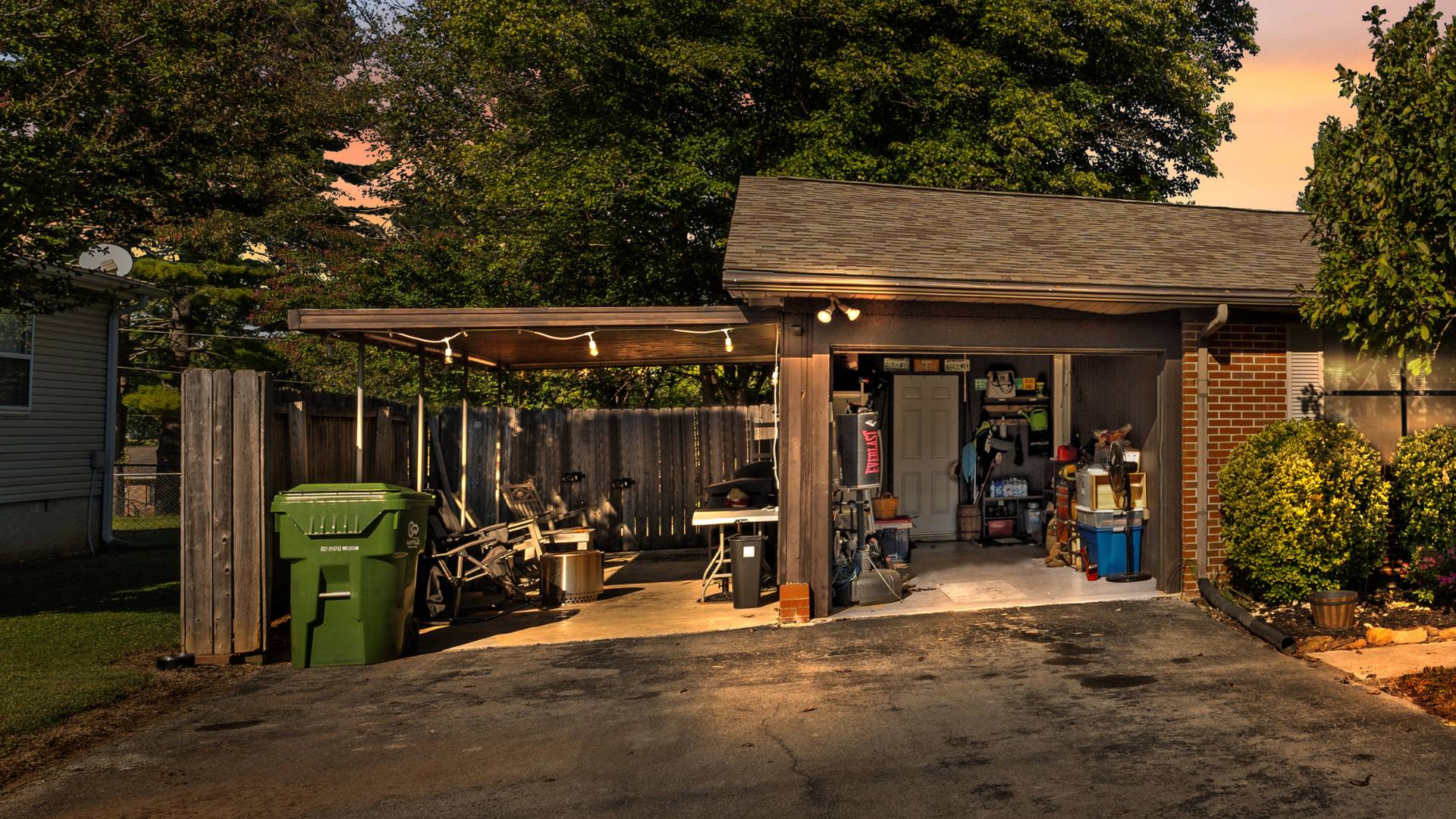
Get started with professional real estate twilight photo editing
One of the most effective ways to make your listings irresistible is through professional twilight photo editing.
However, achieving a perfect twilight shot isn’t always easy. Outdoor lighting changes rapidly, and even the most skilled photographers may encounter challenges such as uneven exposure, dull colors, or overexposed light sources. This is where professional photo editing plays a crucial role. Skilled editors can enhance contrast, balance brightness, replace lackluster skies with vibrant twilight tones, and ensure every element — from the glow of the windows to the subtle textures of the exterior — is presented in its best light. With high-quality editing, your twilight images won’t just look beautiful; they’ll tell a story that sparks emotional engagement and inspires action.
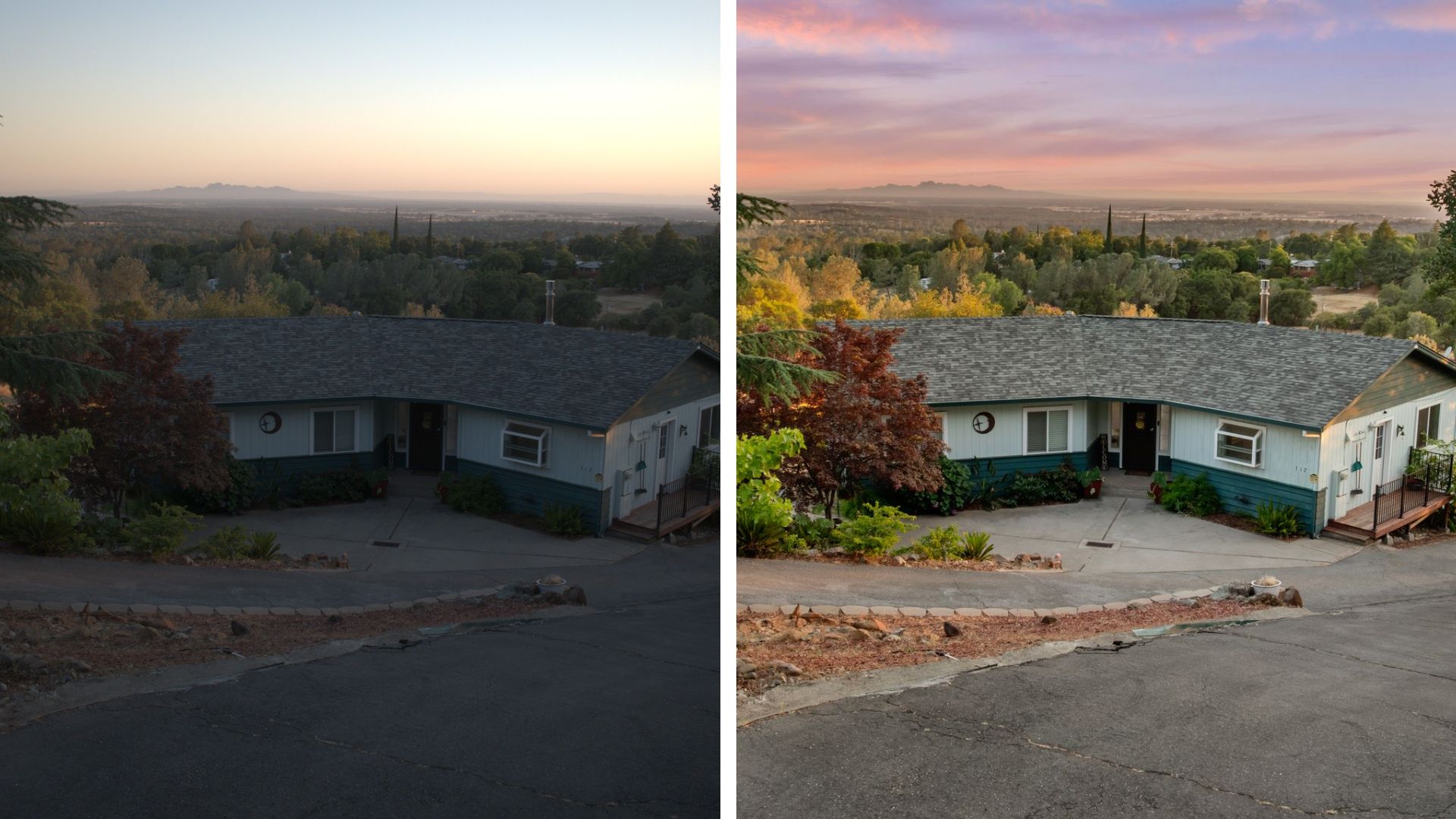
At Rotider Media, our team uses advanced techniques such as HDR blending to preserve detail in both shadows and highlights, precision color grading for accurate yet appealing tones, and digital enhancements to correct imperfections while maintaining a natural look. Whether you need to convert a daytime image into a realistic twilight scene or perfect an existing dusk photo, we deliver results that are consistent, impactful, and ready to impress on any platform.
Our twilight photo editing service is designed for real estate agents, photographers, and marketing agencies who want to:
- Increase listing views by making their properties stand out in search results.
- Boost buyer interest with emotionally appealing visuals.
- Maintain brand consistency with professionally polished images.
- Save time by letting experts handle the complex editing process.
When you partner with Rotider Media, you’re not just getting photo editing — you’re investing in a proven marketing asset that can shorten your sales cycle and elevate your professional image. We combine technical precision with creative vision, ensuring every twilight photo is a perfect balance of realism and allure.

Annie Doo
Professional Video Editor
Hi, I’m Annie Doo, a professional video editor specializing in real estate post-production. Through hands-on experience with real-world projects, I’ve developed a strong understanding of visual storytelling, pacing, color, sound, and the workflows behind polished real estate videos. Here, I share practical insights, editing techniques, and production knowledge drawn from my day-to-day work in video post-production.
Was this article helpful?
Your feedback helps us create more useful real estate media guides.
Share this article


No Spam, Just Updates
Our fresh blogs provide technical and industrial information that helps strengthen your business. Sign up to be the first to receive the new updates
Related Posts
Real Estate Post-Production: A Complete Guide for Photographers and Media Teams
Oct 2, 2026
AI in Real Estate: A New Leap for Property Professionals
Sep 9, 2026
AI for Real Estate Marketing: A Practical Guide for Agents and Agencies
Sep 9, 2026
AI for Real Estate Agents: Practical Uses and Future Trends
Sep 7, 2026
15 Real Estate AI Companies to Know in 2026
Sep 5, 2026