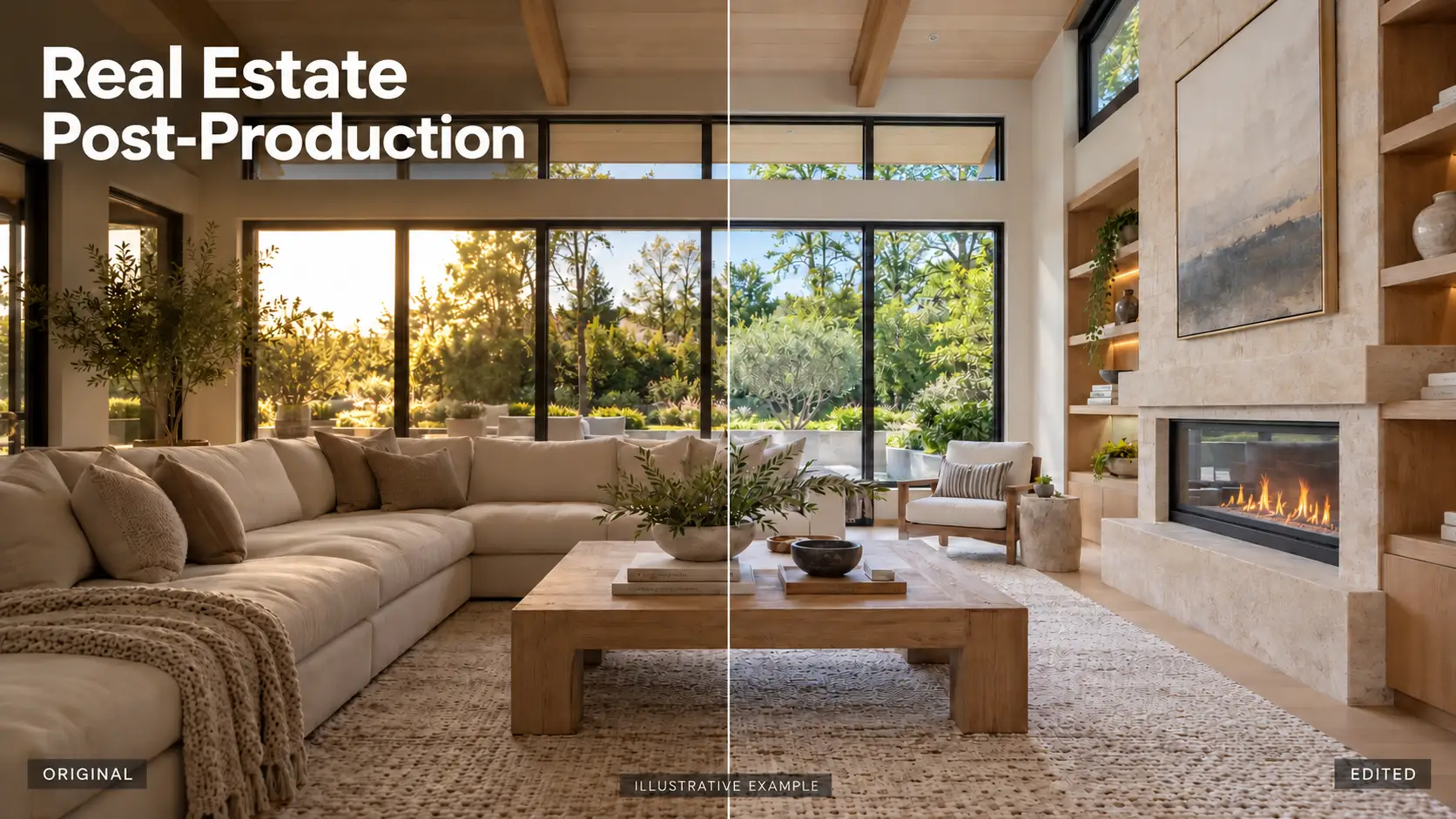
The real estate market is more competitive than ever, and visuals play a critical role in attracting serious buyers. In 2026, property images are no longer just about brightness or basic corrections. They are strategic marketing assets that influence click-through rates, perceived value, and time on market.
Understanding the new real estate photo editing trends helps agents and photographers stay ahead of the competition while maintaining a natural, professional look. From advanced HDR techniques and AI-assisted workflows to realistic virtual staging, refined day-to-dusk conversions, and drone enhancement, this article explores the key trends shaping real estate visuals in 2026.
1. Top New Real Estate Photo Editing Trends 2026
1.1. Advanced HDR Editing With Natural Balance
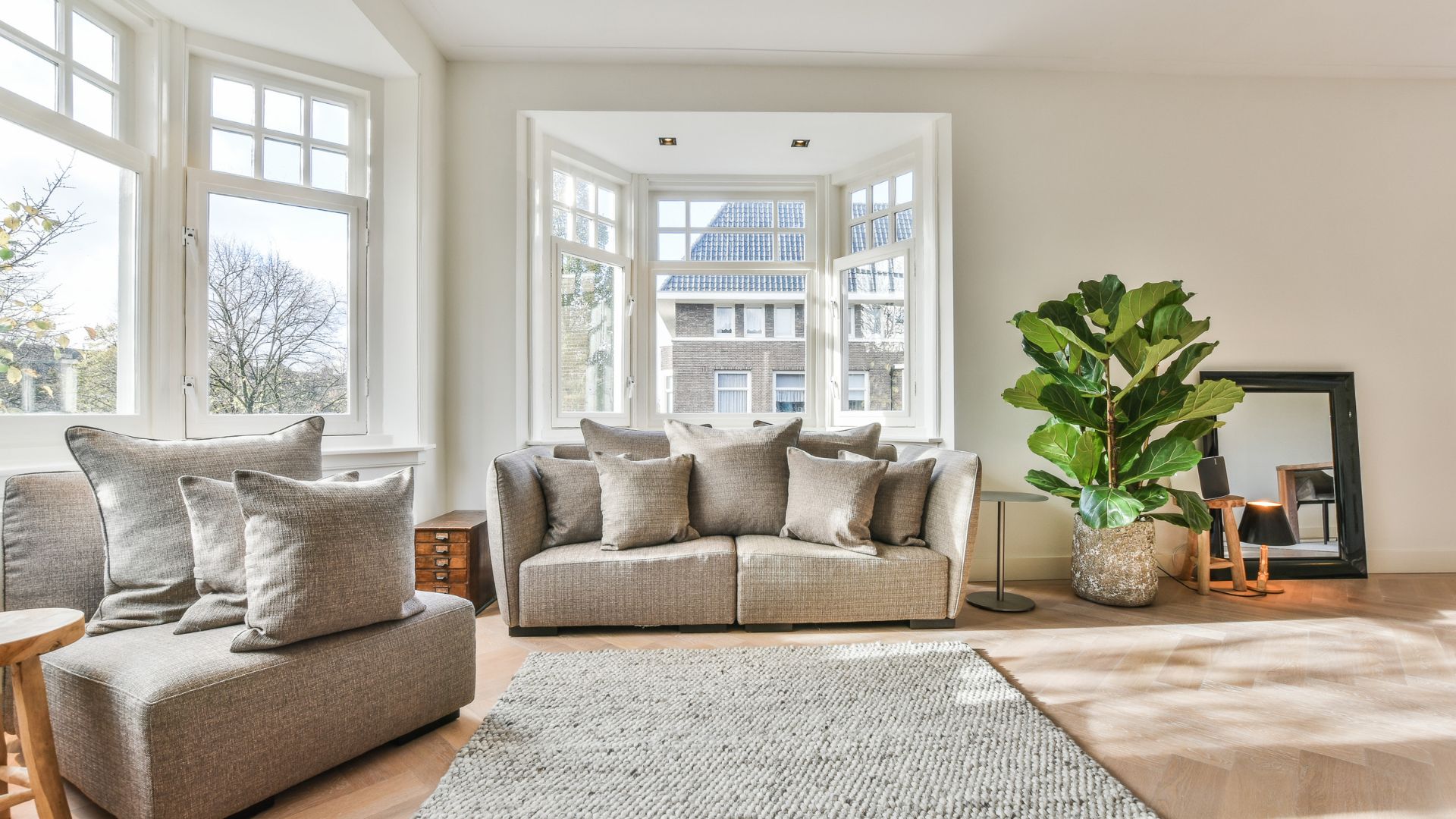
HDR remains the foundation of real estate photo editing in 2026, but the approach has evolved significantly. The industry is moving away from heavy contrast and overly dramatic processing toward a more refined and natural aesthetic.
Today’s standard focuses on:
- Smooth, seamless exposure blending
- Preserving detail in both highlights and shadows
- Avoiding halo effects and excessive sharpening
The US market increasingly favors visuals that are bright yet believable. HDR should enhance the sense of space and clarity while maintaining authenticity. The goal is to present the property at its best without creating unrealistic expectations for in-person showings.
1.2. AI-Assisted Editing
AI has become an integral support tool in modern editing workflows, particularly for high-volume listing production. In 2026, AI-driven features are commonly used for:
- Automated exposure and color balancing
- Intelligent window detection and highlight correction
- Fast masking for walls, ceilings, and flooring
However, AI does not replace professional editors. Instead, it streamlines the initial process, allowing editors to focus on refinement and quality control. The emphasis is on achieving consistent results across projects while maintaining market-appropriate color accuracy and lighting balance.
1.3. Realistic Virtual Staging
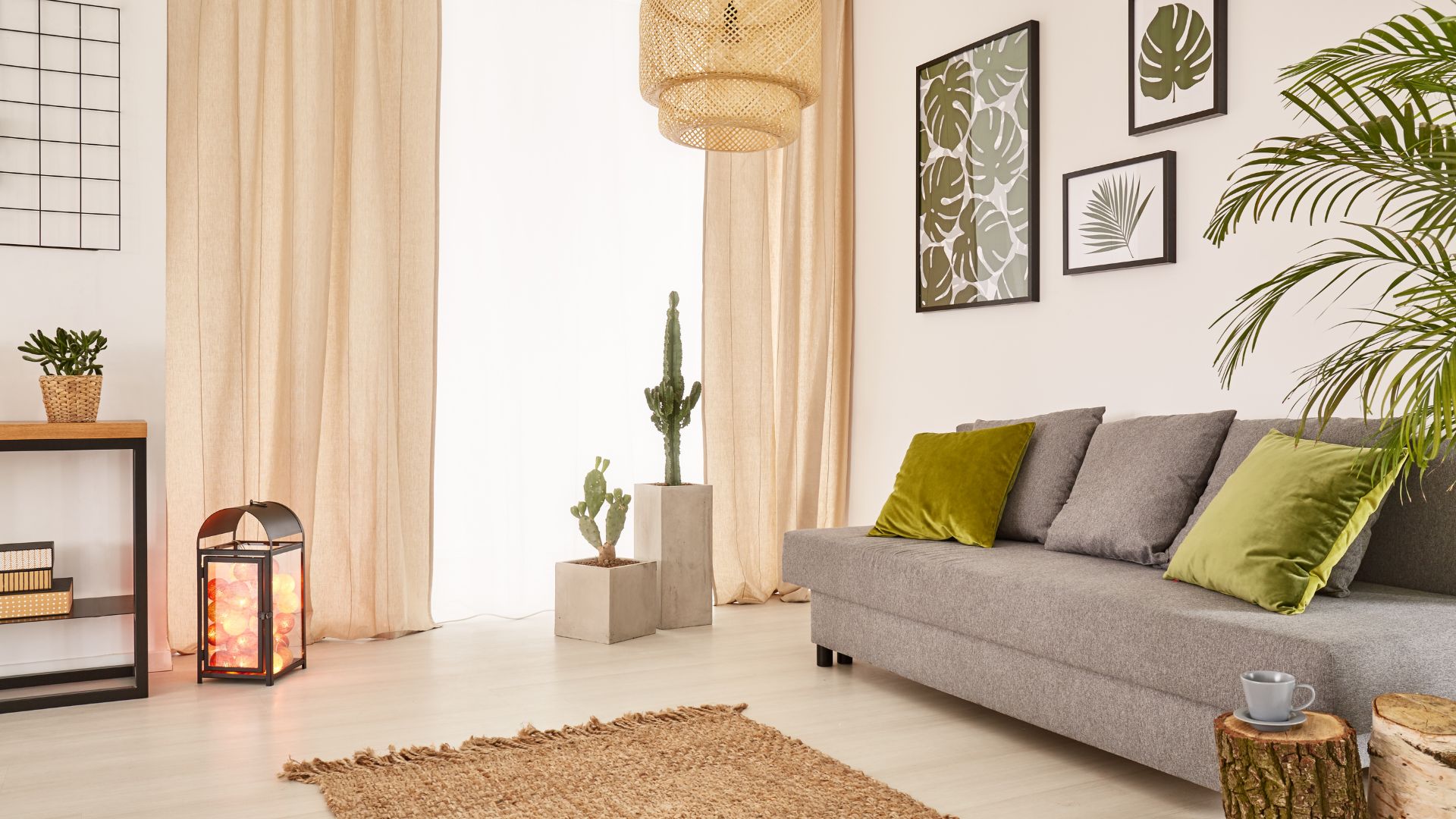
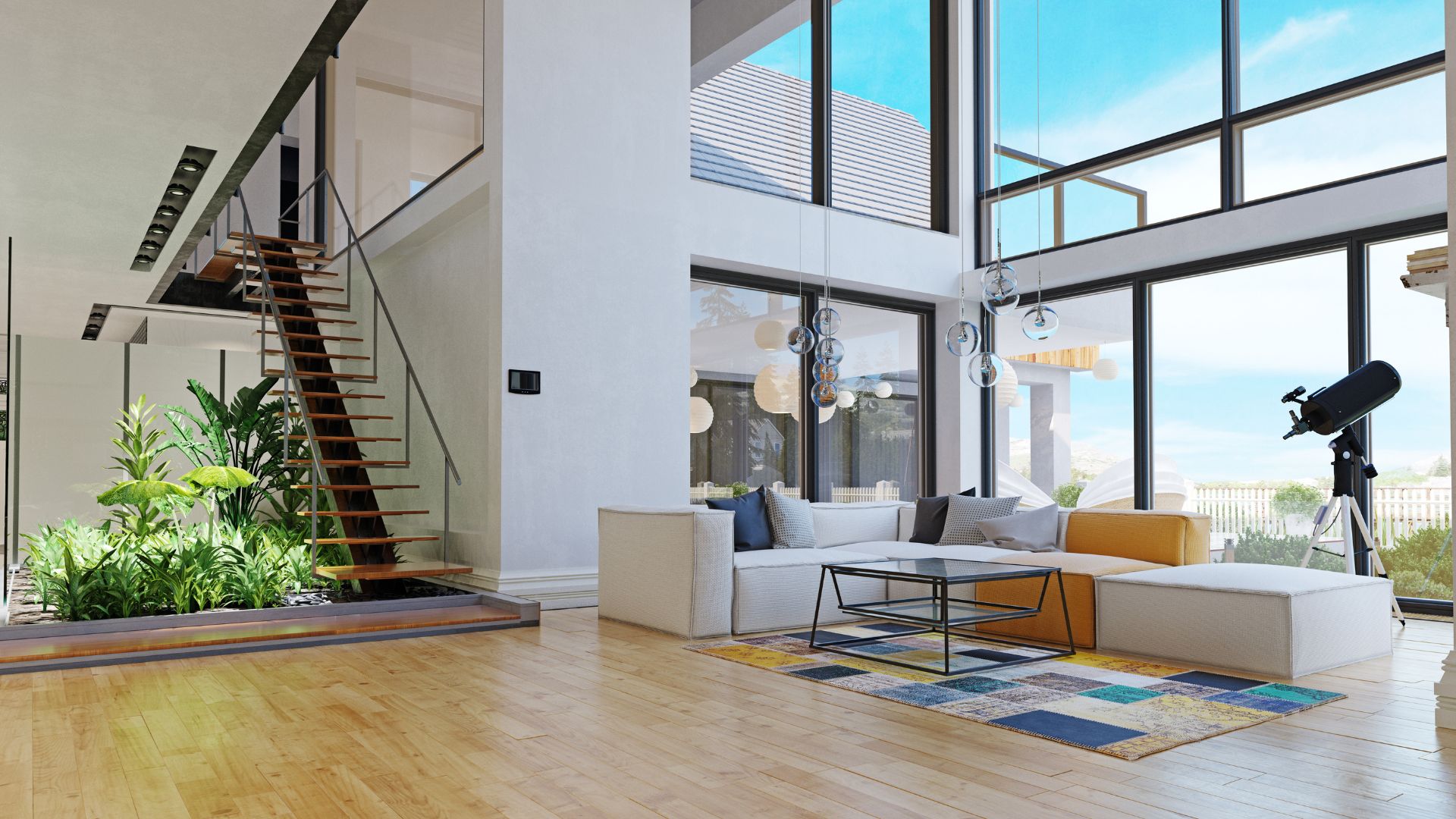
Virtual staging continues to grow in importance, especially for mid-range listings and vacant properties. As buyers become more visually sophisticated, expectations for realism have increased.
Key directions in 2026 include:
- Modern and transitional interior styles
- Neutral color palettes
- Furniture placement that highlights layout and functionality
Accurate proportions, natural shadow integration, and lighting consistency with the original image are critical. Minimalist, high-end styling is now preferred over cluttered or overly decorative scenes. The objective is to help buyers visualize potential while preserving credibility.
1.4. Refined Day-to-Dusk Conversion
Day-to-dusk editing remains one of the most emotionally impactful techniques for exterior images. When executed properly, it creates a compelling “dream home” atmosphere that distinguishes a listing.
In 2026, refined execution is essential:
- Natural twilight sky gradients without excessive purple or blue tones
- Warm window glow that appears realistic rather than overexposed
- Cohesive shadow and ambient light adjustments
Day-to-dusk editing is no longer about dramatic transformation alone. It is about subtle enhancement that elevates emotional appeal while maintaining trust and authenticity.
1.5. Professional Drone Photo and Video Enhancement
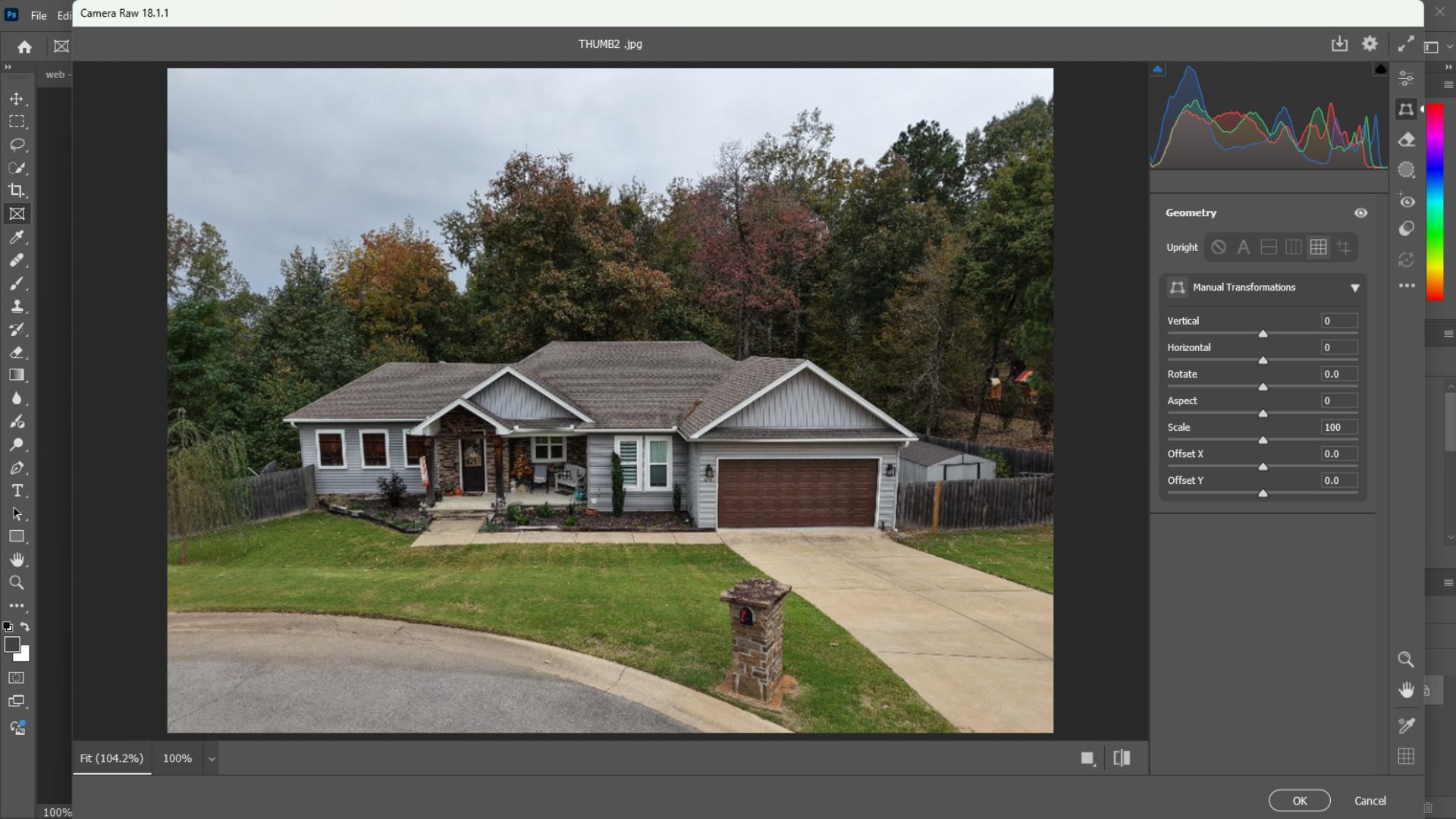
Drone imagery plays an increasingly strategic role in real estate marketing, particularly for large properties, waterfront homes, and listings with desirable surroundings.
Drone editing trends in 2026 focus on:
- Balanced color grading between sky and landscape
- Enhanced clarity without oversharpening
- Highlighting property boundaries, views, and nearby amenities
Drone enhancement has evolved beyond basic brightness adjustments. It now supports visual storytelling by clearly presenting location, neighborhood context, and overall property scale. The objective is to provide a perspective that ground-level photography alone cannot deliver.
2. Why Real Estate Photo Editing Trends Matter in 2026
In 2026, real estate promotion is highly visual and performance-driven. Listings are evaluated within seconds, often on mobile devices, and buyers compare multiple properties at once. As a result, aligning with current editing standards is not just about aesthetics. It directly impacts engagement, perception, and sales outcomes.
Real estate photo editing trends matter because they help:
Increase Listing Click-Through Rates
The first image is the gateway to the entire listing. Bright, well-balanced, and professionally edited photos immediately attract attention
Enhance Perceived Property Value
High-quality editing improves lighting balance, color accuracy, and spatial clarity. Clean and naturally bright interiors make homes feel more spacious, updated, and premium.
Shorten Time on Market
Professional imagery attracts more serious inquiries and increases showing requests
Strengthen Personal Branding
Consistent editing style across listings builds recognition and credibility for agents and photographers.
3. Professional Real Estate Photo Editing Service Providers
Below are five well-known real estate photo editing companies in 2026. Each section includes a short overview, core services, strengths, and limitations. Rotider Media is highlighted with more detailed insights due to its positioning as a long-term editing partner for international markets.
3.1. Rotider Media
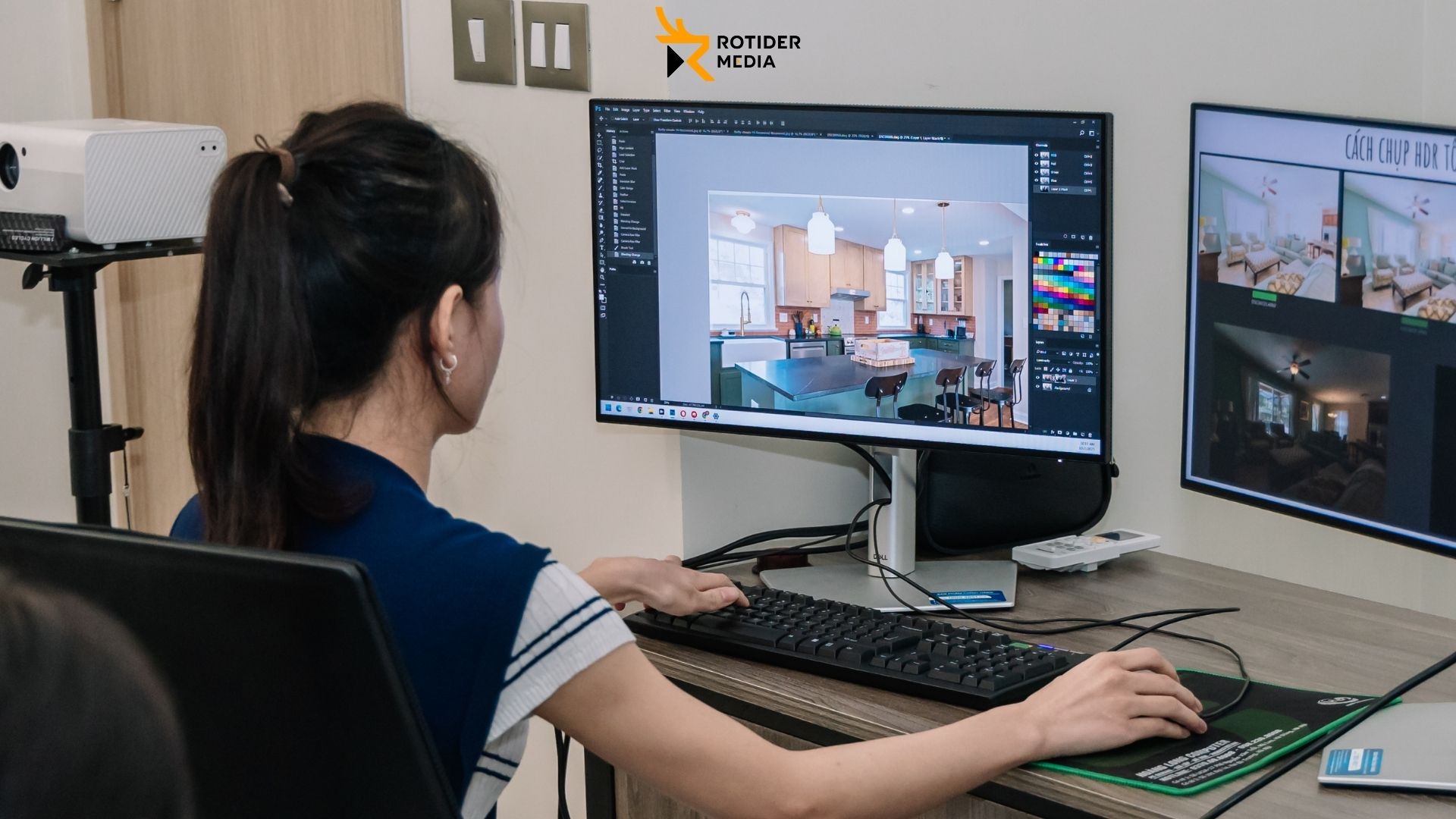
Rotider Media is a Vietnam-based real estate photo and video editing company serving photographers, agencies, and media teams primarily in the US market. The company focuses on long-term partnerships rather than one-off edits, helping clients maintain consistent visual standards across listings. Core Services
- HDR real estate photo editing
- Flash editing
- Day-to-Dusk and Twilight conversion
- Object removal and image decluttering
- Drone photo enhancement
- Real estate video editing
- Virtual staging
Strengths
- Custom style matching and brand consistency for each client
- Scalable workflow suitable for high-volume photographers and agencies
- Strong experience serving US market standards
- Balanced editing approach that enhances images without over-processing
- Dedicated support team and structured quality control
Limitations
- Less brand recognition globally compared to long-established US-based platforms
1.2. BoxBrownie.com
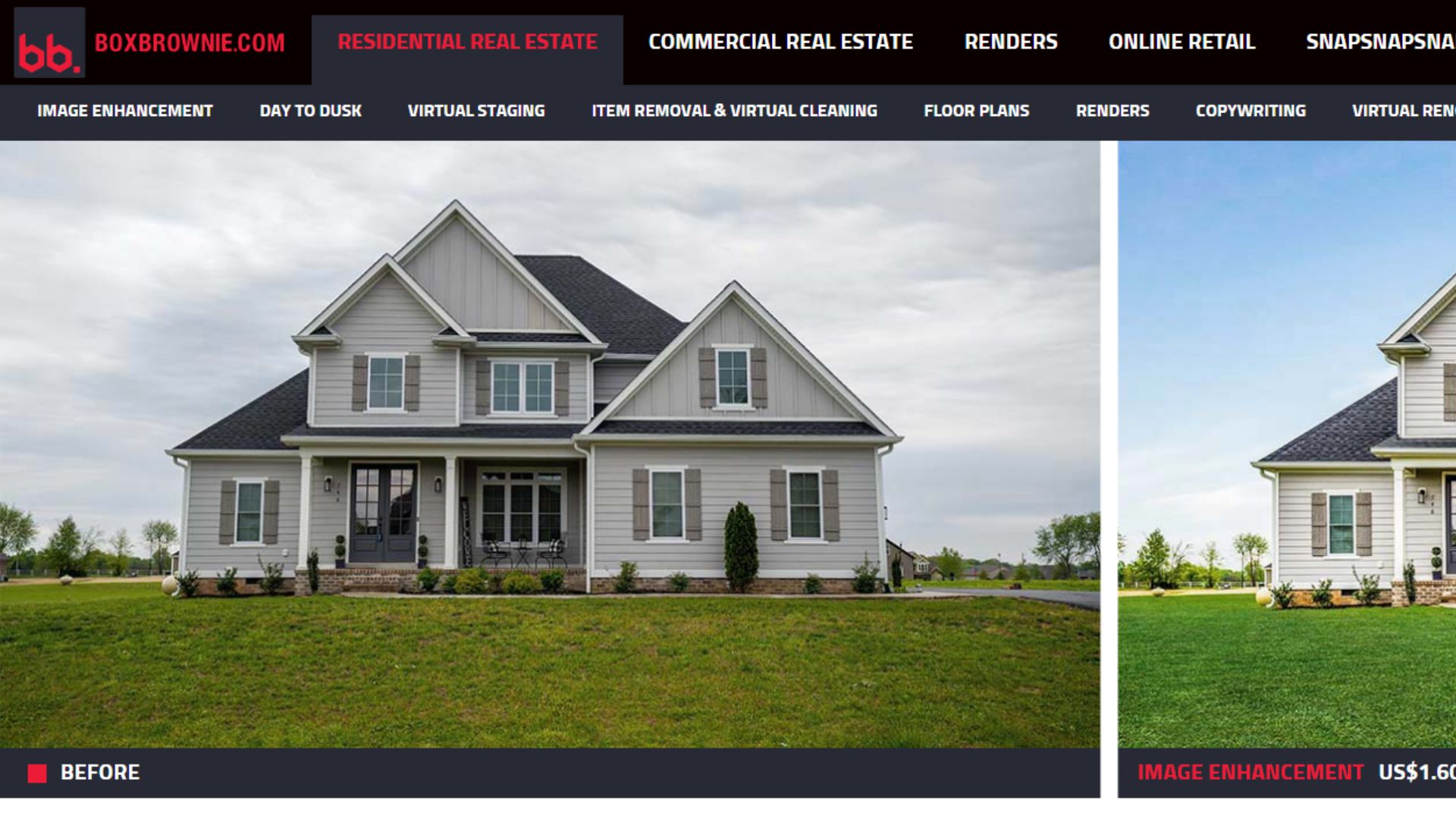
BoxBrownie.com is an Australia-based real estate image editing company widely known for its simple pricing structure and fast turnaround.
Core Services
- Core Services
- Image enhancement
- Virtual staging
- Floor plan redraw
- Day-to-Dusk conversion
- Item removal
Strengths
- Clear pay-per-image pricing
- 24-hour turnaround for most services
- Strong global brand presence
Limitations
- Editing style may feel standardized
- Less flexibility for highly customized branding needs
- Premium services can increase the overall cost
3.3. Phixer
Phixer positions itself as a technology-driven editing provider offering photo and video services to real estate professionals.
Core Services
- HDR photo editing
- Virtual staging
- Video editing
Strengths
- Same-day turnaround options
- Performance-focused workflow
- User-friendly upload system
Limitations
- Pricing may be higher for advanced services
- Less personalized editing style compared to boutique teams
3.4. PhotoUp
PhotoUp operates as a broader real estate marketing platform, combining photo editing with marketing tools and property websites.
Core Services
- Photo editing
- Virtual staging
- Floor plans
- Video editing
- Single property websites
Strengths
- All-in-one marketing solution
- Flexible editor assignment
- Scalable for large teams
Limitations
- Quality may vary depending on the editor
- The platform model may require onboarding time
In 2026, real estate marketing is no longer just about having professional photos. It is about delivering consistent visual quality, emotional appeal, and market-ready presentation across every listing. As competition increases and buyers become more visually selective, partnering with the right editing service provider becomes a strategic decision rather than a simple outsourcing choice.
Each company mentioned above offers different advantages depending on budget, workflow preference, and scale. However, for photographers and agencies seeking long-term collaboration, brand consistency, and scalable production aligned with US market standards, Rotider Media stands out as a reliable and growth-oriented partner.
Choosing the right editing team ultimately impacts listing performance, perceived property value, and overall brand positioning. In a visually driven market, quality post-production is not optional – It is a competitive advantage.