
July 31, 2025
Real Estate Photography
Flambient Photography vs HDR: What’s the Difference?
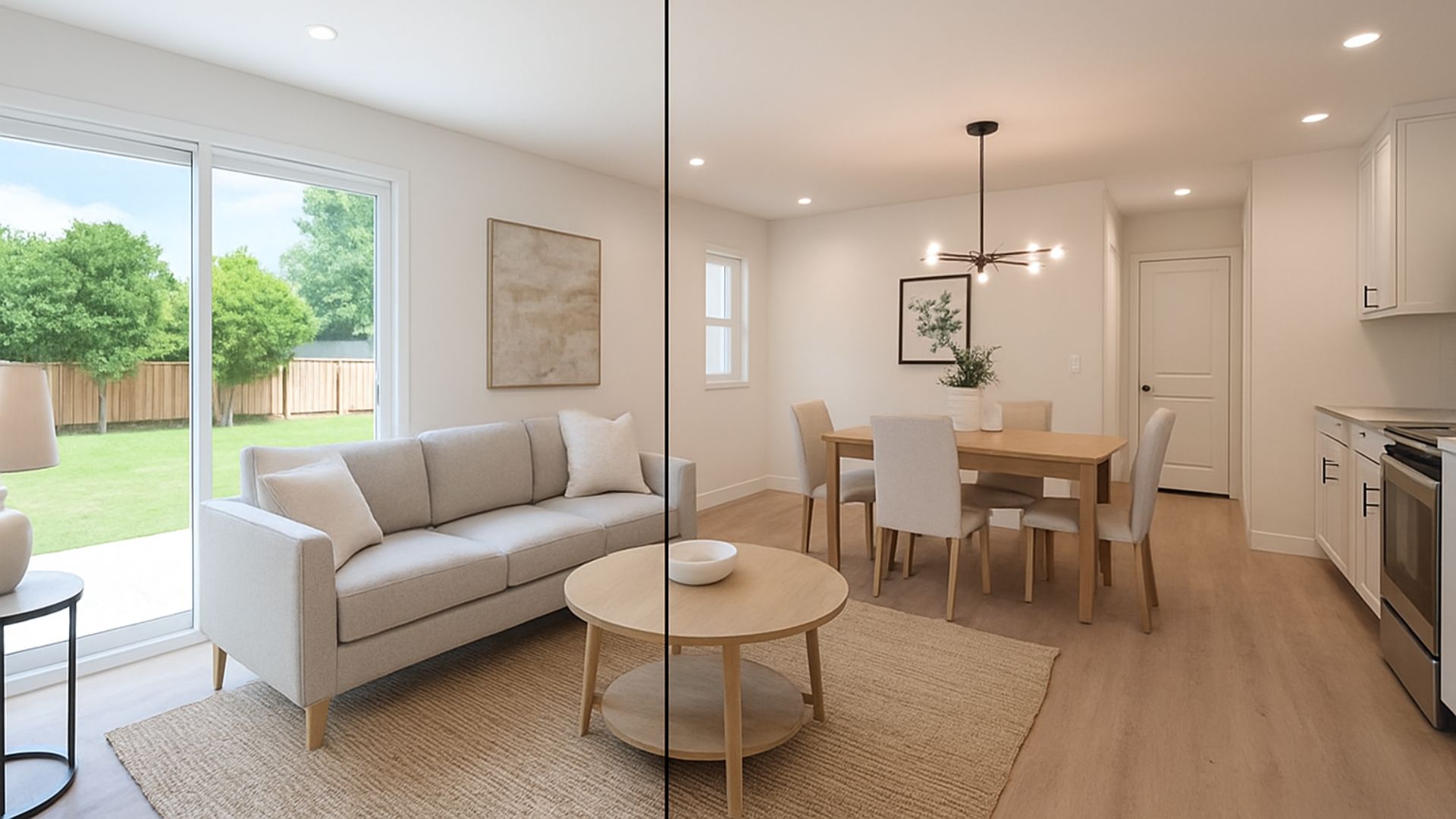
Flambient Photography vs HDR are two of the most popular techniques used in real estate photography today. While both aim to create stunning images, they differ greatly in lighting approach, editing workflow, and final results. In this article, we’ll break down the key differences, pros and cons, and help you choose the best method for your real estate listing.
1. What Is Flambient Photography?
Flambient photography is a real estate photography technique that blends flash and ambient light to create natural-looking, high-quality images. Unlike HDR, which relies on merging multiple exposures, flambient uses both flash-lit and naturally lit shots to maintain color accuracy and balanced lighting. This method allows photographers to control shadows, highlights, and white balance more precisely, resulting in photos that look true to life and professionally polished.
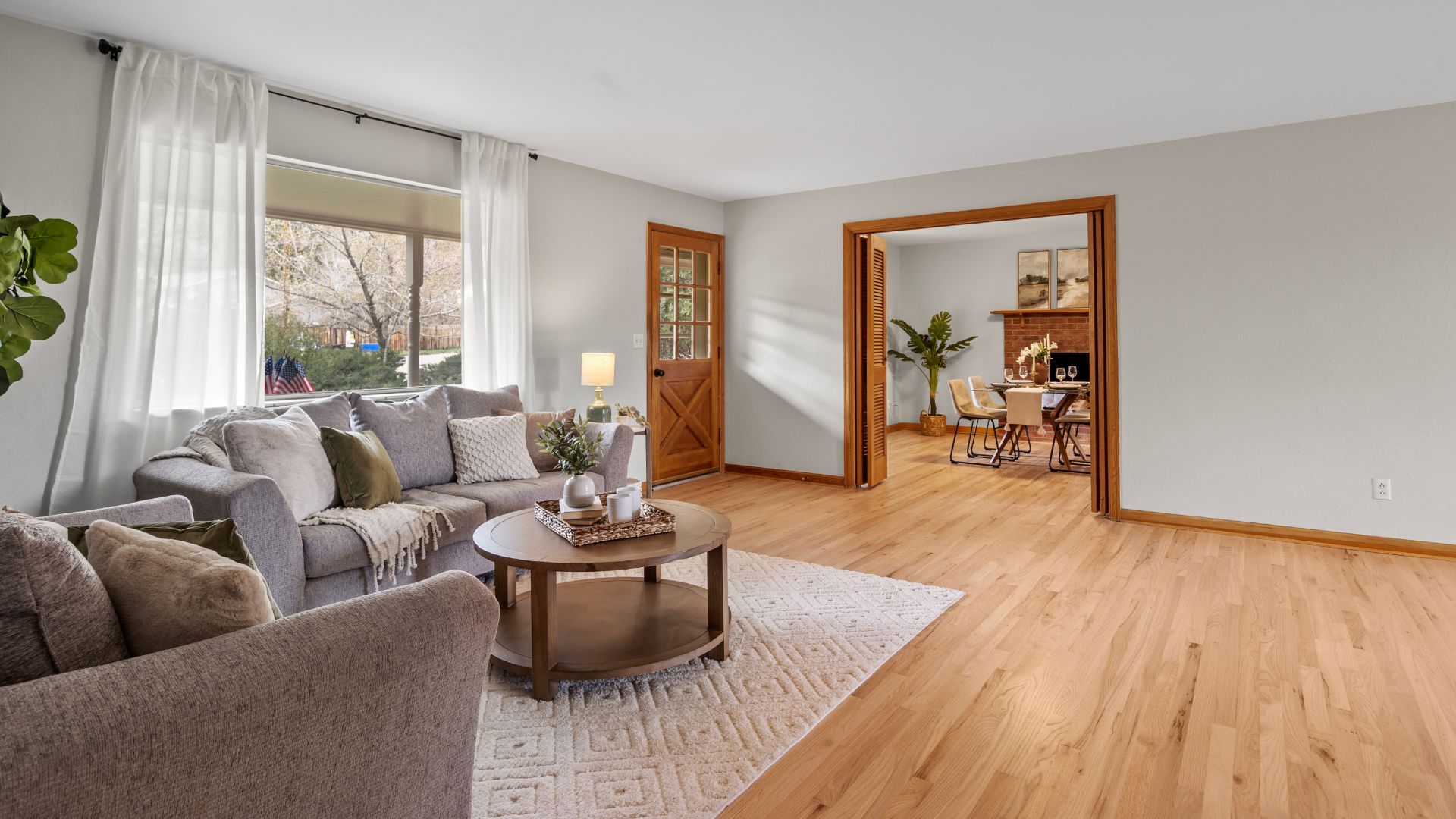
Flambient photography is ideal for luxury listings or properties with complex lighting conditions.
2. What Is HDR Photography?
HDR photography (High Dynamic Range) is a technique commonly used in real estate to capture a wider range of light and detail in a single image. It involves taking multiple photos of the same scene at different exposure levels—typically underexposed, properly exposed, and overexposed—and blending them using editing software. This process helps balance out harsh shadows and blown-out highlights, resulting in a more evenly lit and visually appealing photo.
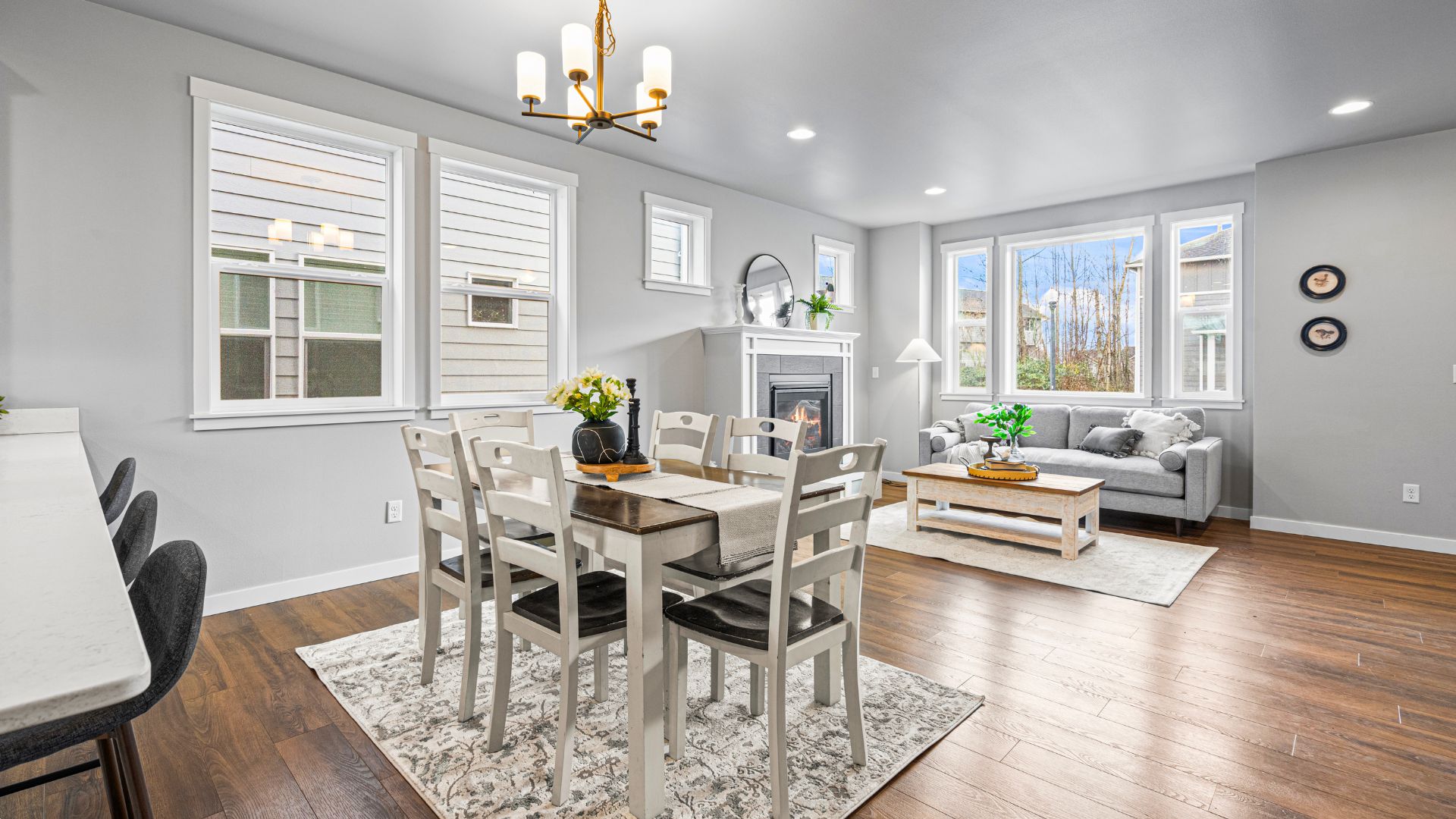
HDR photography is especially useful in spaces with strong natural light or high contrast between interior and exterior views, making it a go-to method for many real estate photographers aiming to showcase a property’s full visual potential.
Reference: When to Use HDR Photography for Best Results
3. The Difference Between HDR and Flambient Photography
When comparing HDR vs Flambient photography, the key differences lie in lighting control, editing process, and final image quality. Dưới đây là những điểm khác biệt chính:
Lighting Control:
HDR relies on natural light from different exposures, making it more dependent on existing lighting conditions. Flambient photography, however, uses flash to control and balance the light, especially in shadowy or unevenly lit rooms.
Color Accuracy:
Flambient photography typically produces more accurate and consistent colors, since flash lighting can neutralize color casts from artificial lights. HDR may sometimes cause color distortion if not blended carefully.
Editing Workflow:
HDR is faster and more automated, ideal for batch processing multiple listings. Flambient requires manual blending using layer masks in Photoshop, which takes more time and skill but delivers more refined results.
HDR photos can appear overly processed or unrealistic if overdone, with halos or muddy shadows. Flambient images tend to look more natural and true to the eye, especially in high-end interiors.
Understanding the key differences between HDR and Flambient photography is essential for choosing the right technique. But beyond just how they work, each method also comes with its own set of advantages and limitations:
HDR Photography
Pros:
- Faster workflow: HDR images can be batch processed with automated software, saving time for photographers handling multiple listings.
- Cost-effective: Requires minimal lighting equipment, making it more budget-friendly for agents or photographers.
- Good for high-contrast scenes: Captures both interior and exterior details in one frame, ideal for rooms with large windows or mixed lighting.
Cons:
- Less color accuracy: Relying solely on ambient light can result in unwanted color casts or inconsistent white balance.
- Overprocessed look: If not blended carefully, HDR can produce unnatural results with halos or flattened contrast.
Flambient Photography
Pros:
- True-to-life results: Combines the best of natural and artificial light, offering balanced exposure and accurate color reproduction.
- Professional look: Often used for luxury listings where image quality plays a key role in marketing.
- Lighting control: Flash allows the photographer to correct uneven lighting and highlight architectural details precisely.
Cons:
- Time-consuming: Requires multiple exposures, the use of flash, and manual blending in Photoshop.
- Higher cost: Demands more equipment, time, and skill, so pricing is typically higher.
- Steeper learning curve: Not ideal for beginners or fast-turnaround projects without proper training.
4. Professional real estate photo editing service
Choosing between Flambient photography and HDR is a crucial step in crafting compelling real estate visuals. Each technique offers unique advantages. HDR is efficient and ideal for naturally lit spaces, while Flambient delivers color-accurate, high-end results suited for premium listings. But no matter which method is used during the shoot, the true impact of your real estate photos depends heavily on the editing process.
Even the best-captured images need expert retouching to meet today’s visual standards. That’s where a professional real estate photo editing service becomes essential. Post-processing enhances brightness and contrast, corrects white balance, sharpens details, removes distractions, and blends exposures seamlessly. It’s the difference between a photo that simply shows a space and one that sells it.
At Rotider Media, we specialize in transforming real estate photos into stunning, brand-consistent marketing assets. Our team of experienced editors understands the nuances of real estate imagery: how to preserve natural light, maintain realistic colors, and make each room feel inviting and spacious. We don’t just enhance images—we help agents, photographers, and brokerages present their properties at their absolute best.
With fast turnaround times, flexible editing options, and a commitment to quality, Rotider Media is your trusted partner in real estate post-production. Whether you’re working with HDR or Flambient photography, we’re here to ensure your visuals are not only beautiful but effective in driving results. Contact us now!
Annie Doo
Professional Video Editor
Hi, I’m Annie Doo, a professional video editor specializing in real estate post-production. Through hands-on experience with real-world projects, I’ve developed a strong understanding of visual storytelling, pacing, color, sound, and the workflows behind polished real estate videos. Here, I share practical insights, editing techniques, and production knowledge drawn from my day-to-day work in video post-production.
Was this article helpful?
Your feedback helps us create more useful real estate media guides.
Share this article


No Spam, Just Updates
Our fresh blogs provide technical and industrial information that helps strengthen your business. Sign up to be the first to receive the new updates
Related Posts
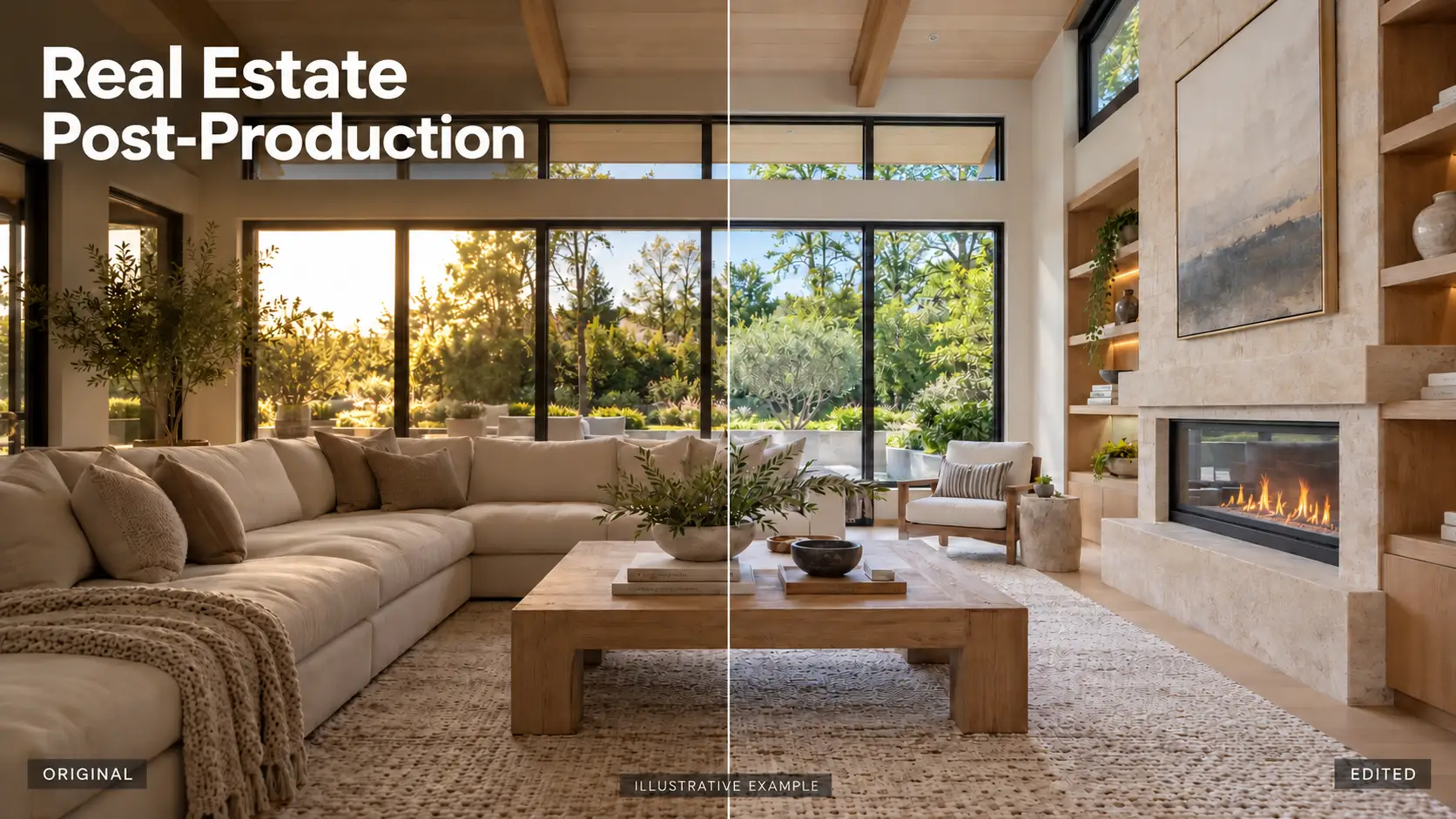
Real Estate Post-Production: A Complete Guide for Photographers and Media Teams
Oct 2, 2026
AI in Real Estate: A New Leap for Property Professionals
Sep 9, 2026
AI for Real Estate Marketing: A Practical Guide for Agents and Agencies
Sep 9, 2026
AI for Real Estate Agents: Practical Uses and Future Trends
Sep 7, 2026
15 Real Estate AI Companies to Know in 2026
Sep 5, 2026