
June 30, 2025
Real Estate Photography
Real Estate Aerial Photography Tips for Better Listings

Real estate aerial photography is changing the way properties are marketed, offering breathtaking views and a full picture of the home and its surroundings. By capturing angles that ground shots can’t, aerial visuals add value and professionalism to your listings. In this article, we’ll explore essential tips to help you capture and edit aerial photos that make your properties stand out.
1. The Advantages of Real Estate Aerial Photography
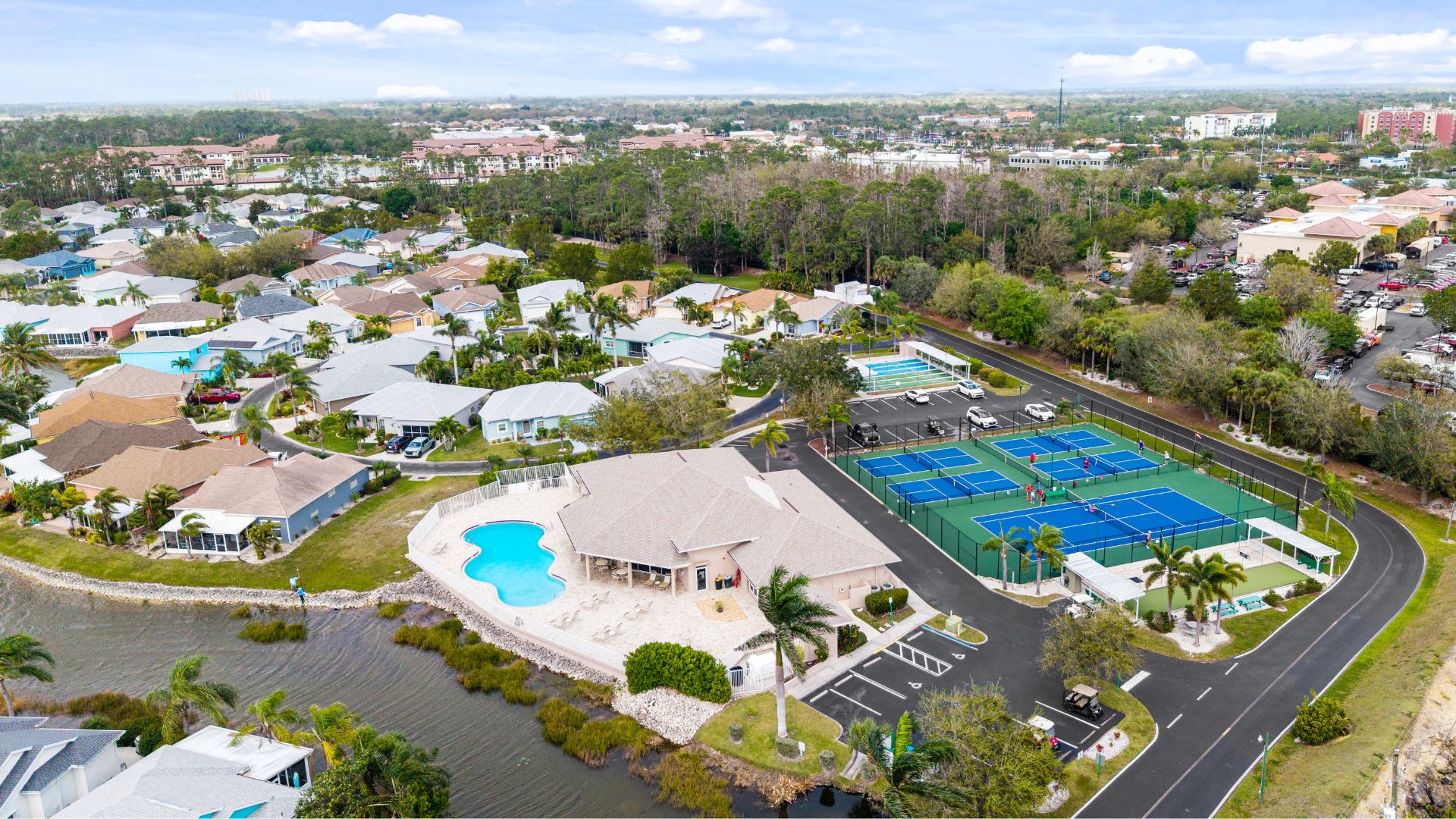
In digital real estate marketing, images are not only an illustrative tool but also a decisive factor in the attractiveness of a listing. Aerial photography provides a panoramic and professional perspective that ground photography can hardly show. Therefore, this type of image is increasingly popular to increase sales and attractive impact. Here are the outstanding benefits of using aerial real estate photography:
- Provides a comprehensive view from above: Real estate aerial photography allows buyers to see the full layout of a property, including land boundaries, outdoor features, and how the home fits into its surroundings.
- Highlights nearby amenities and location context: Aerial shots can showcase proximity to beaches, parks, schools, and city centers — information that matters to buyers.
- Reveals features that ground shots can’t: Large yards, pools, detached garages, driveways, and even the shape of the lot become much clearer when captured from the sky.
- Elevates the professionalism of the listing: Aerial imagery signals credibility and marketing investment, making the listing stand out in crowded marketplaces.
- Helps listings sell faster and for higher value: Homes with well-shot aerial photos often receive more views, more showings, and stronger offers.
2. Real Estate Aerial Photography Tips for Better Listings
Aerial photography is a powerful tool in real estate marketing, offering unique perspectives that traditional ground shots can’t provide. But to truly capture impactful images, you’ll need more than just a drone — it takes preparation, timing, and thoughtful execution. Below are essential tips to help you produce stunning aerial shots that make your listings stand out.
2.1. Follow Drone Regulations and Fly Safely
Before taking off, it’s crucial to understand local drone regulations. In many countries, including the U.S., commercial drone operators must be licensed (such as under the FAA Part 107). Avoid no-fly zones and maintain a safe distance from people, buildings, and roads.
2.2. Choose the Right Equipment
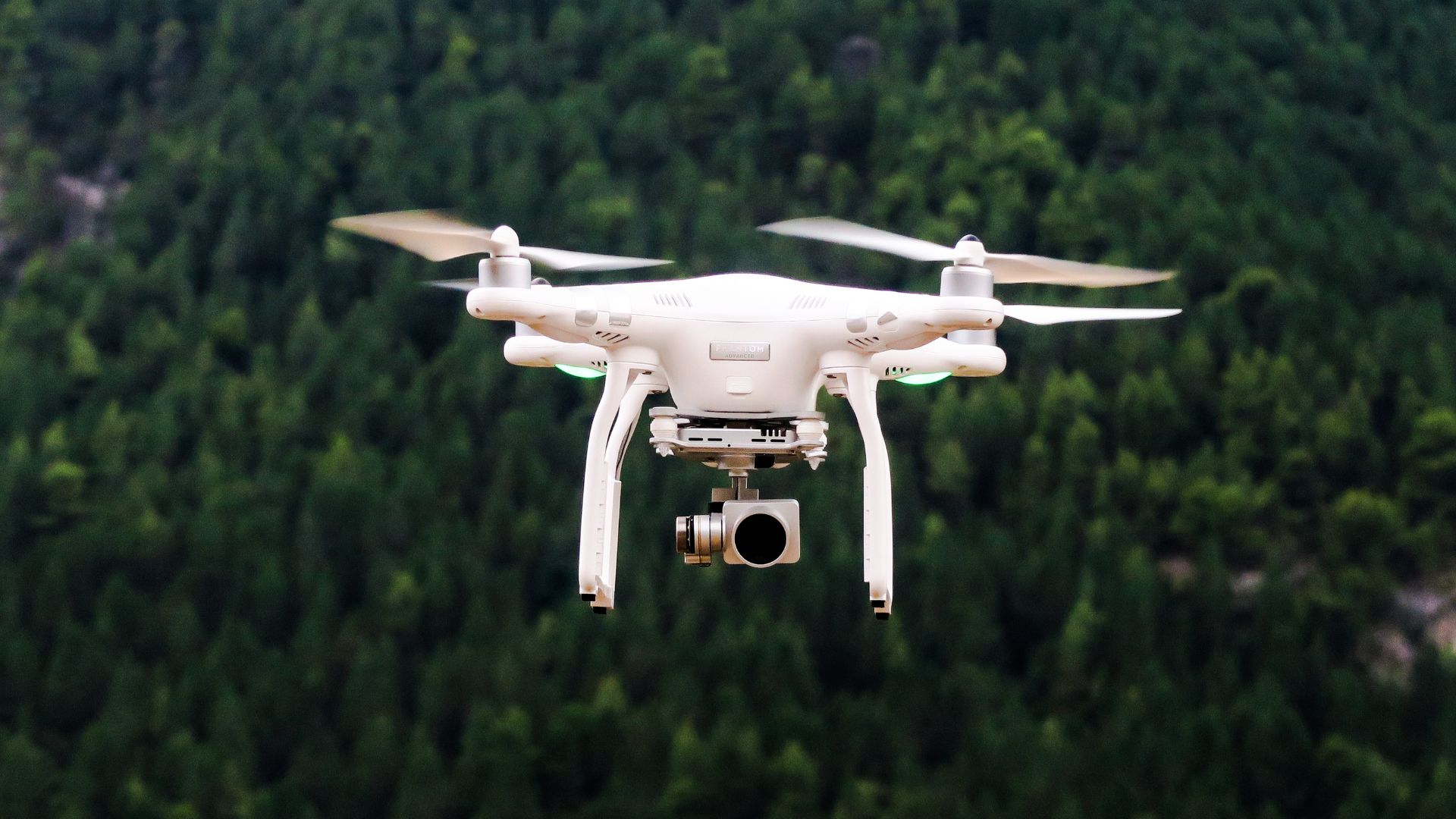
Choosing the right drone is a critical step in achieving professional aerial real estate photos. A quality drone should offer at least 4K resolution for crisp imagery, along with a 3-axis gimbal to ensure smooth and stable footage. Built-in GPS, obstacle avoidance sensors, and a reliable return-to-home function add both safety and convenience, especially when flying over residential areas or large properties.
Some types of drones for aerial real estate photography:
- DJI Mini 4 Pro
- DJI Air 3
- Autel EVO Lite+
- DJI Mavic 3 Classic
2.3. Set the Scene and Clear the Surroundings
Before taking any aerial shots, it’s important to prepare the real estate. Remove any distractions that might take away from the visual appeal — this includes cars parked in the driveway, trash bins, garden hoses, or cluttered patios. A well-maintained lawn, trimmed hedges, and clean outdoor spaces instantly make the home look more valuable. From the air, even small details can become noticeable, so clearing the surroundings ensures that the property is presented in its best possible light.
2.4. Choose the Right Time: Light and Weather Conditions
Lighting is one of the most important aspects of aerial photography. Golden hour (shortly after sunrise or before sunset) provides soft, warm light with minimal shadows.
Avoid harsh midday light, which can wash out details and flatten textures
Check wind conditions; even small drones can be affected by gusts, making footage shaky and harder to control. Ideal weather ensures not just safety, but also the best possible image quality.
2.5. Shoot from Various Heights and Angles
Variety adds depth and interest to your aerial photo set.
Capture top-down (bird’s-eye) shots for a clear overview of the lot and structure layout. Include angled mid-altitude shots to show property depth and exterior design. Combining multiple perspectives helps potential buyers better understand the scale and appeal of the property. Don’t forget low-altitude flyovers to create dynamic visuals that mimic a cinematic walkthrough.
2.6. Highlight the real estate’s Surroundings
Aerial photography allows you to showcase elements that are hard to capture from the ground.
Focus on:
- Large backyards, pools, rooftops, landscaping, or solar panels
- Nearby amenities like parks, schools, beaches, or business centers
- Unique architectural designs or scenic views
- Use the aerial perspective to tell a story about the home and its lifestyle benefits, not just the structure itself.
2.7. Post-production editing of aerial real estate photography
Even high-quality drone images can appear dull or flat straight out of the camera. With careful post-processing, you can enhance brightness, correct color balance, sharpen details, and add visual clarity.
3. How to edit real estate aerial photography?
Editing is a crucial step in turning raw aerial shots into stunning marketing visuals. While drones capture impressive perspectives, the images straight out of the camera often need enhancement to look truly professional. Here are some key editing techniques to improve the quality and appeal of your real estate aerial photos:
3.1. Straighten and Crop
Ensure the horizon is level for a balanced, professional composition. Crop the image to emphasize key features such as the house, yard, or pool while maintaining spatial context.
3.2. Basic Adjustment
Start with correcting exposure, contrast, highlights, shadows, and white balance. Aerial shots can sometimes look flat due to lighting from above, so enhancing depth through contrast and color correction helps bring the image to life.
3.3. Sky Replacement
A dull or overcast sky can significantly reduce the emotional appeal of a property photo. Replacing it with a clear blue sky or a dramatic twilight tone can instantly elevate the mood and make the image more inviting.
3.4. Remove Distractions
From above, it’s easy to spot things you wouldn’t notice from the ground—cars in the driveway, garbage bins, construction materials, or shadows from nearby buildings. Use object removal tools to clean up these distractions and keep the viewer’s attention on the property.
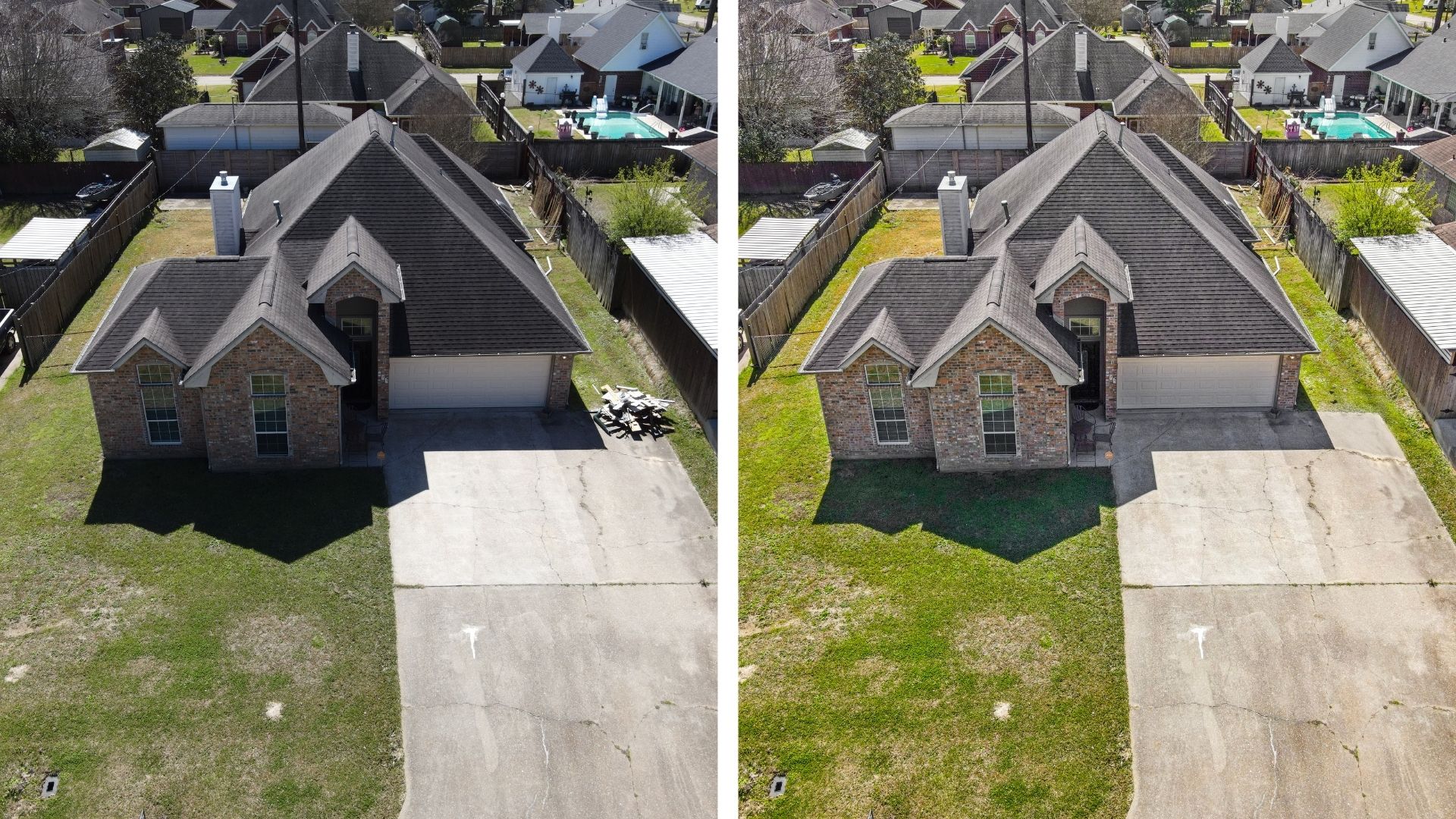
When editing aerial real estate photos, it’s important to maintain a natural look. Avoid heavy filters or excessive enhancements that may distort reality. Consistency in color tone and style—especially when mixing aerial shots with ground-level images—helps reinforce a professional image, build buyer trust, and support your brand identity.
If you’re looking for a fast, reliable, and professional solution, consider outsourcing your editing to a trusted team.
Consider professional services like Rotider Media — a global real estate photo editing company with a team of experienced editors who deliver fast turnaround times, natural results, and attention to detail.
Make your real estate aerial photography work harder for your business — with the right edits, every image becomes a powerful sales tool.

Annie Doo
Professional Video Editor
Hi, I’m Annie Doo, a professional video editor specializing in real estate post-production. Through hands-on experience with real-world projects, I’ve developed a strong understanding of visual storytelling, pacing, color, sound, and the workflows behind polished real estate videos. Here, I share practical insights, editing techniques, and production knowledge drawn from my day-to-day work in video post-production.
Was this article helpful?
Your feedback helps us create more useful real estate media guides.
Share this article


No Spam, Just Updates
Our fresh blogs provide technical and industrial information that helps strengthen your business. Sign up to be the first to receive the new updates
Related Posts
Real Estate Post-Production: A Complete Guide for Photographers and Media Teams
Oct 2, 2026
AI in Real Estate: A New Leap for Property Professionals
Sep 9, 2026
AI for Real Estate Marketing: A Practical Guide for Agents and Agencies
Sep 9, 2026
AI for Real Estate Agents: Practical Uses and Future Trends
Sep 7, 2026
15 Real Estate AI Companies to Know in 2026
Sep 5, 2026