Useful realtor Halloween marketing ideas give people a reason to engage beyond a standard listing post. A local event guide, a short seasonal video, or a thoughtful client gift can reopen doors for conversation without turning every interaction into an aggressive sales pitch.
The 12 ideas below span social media content, video creation, client outreach, community farming, and themed open houses. Select the strategies that best align with your audience and preparation timeline, then build a follow-up plan to keep the momentum going long after Halloween passes.
Halloween Social Media and Video Ideas
Seasonal content works best when the Halloween theme supports something useful: a property feature, a local recommendation or an answer to a real estate question. Give each post one purpose and one clear next step.
1. Create Seasonal Posts and Interactive Stories
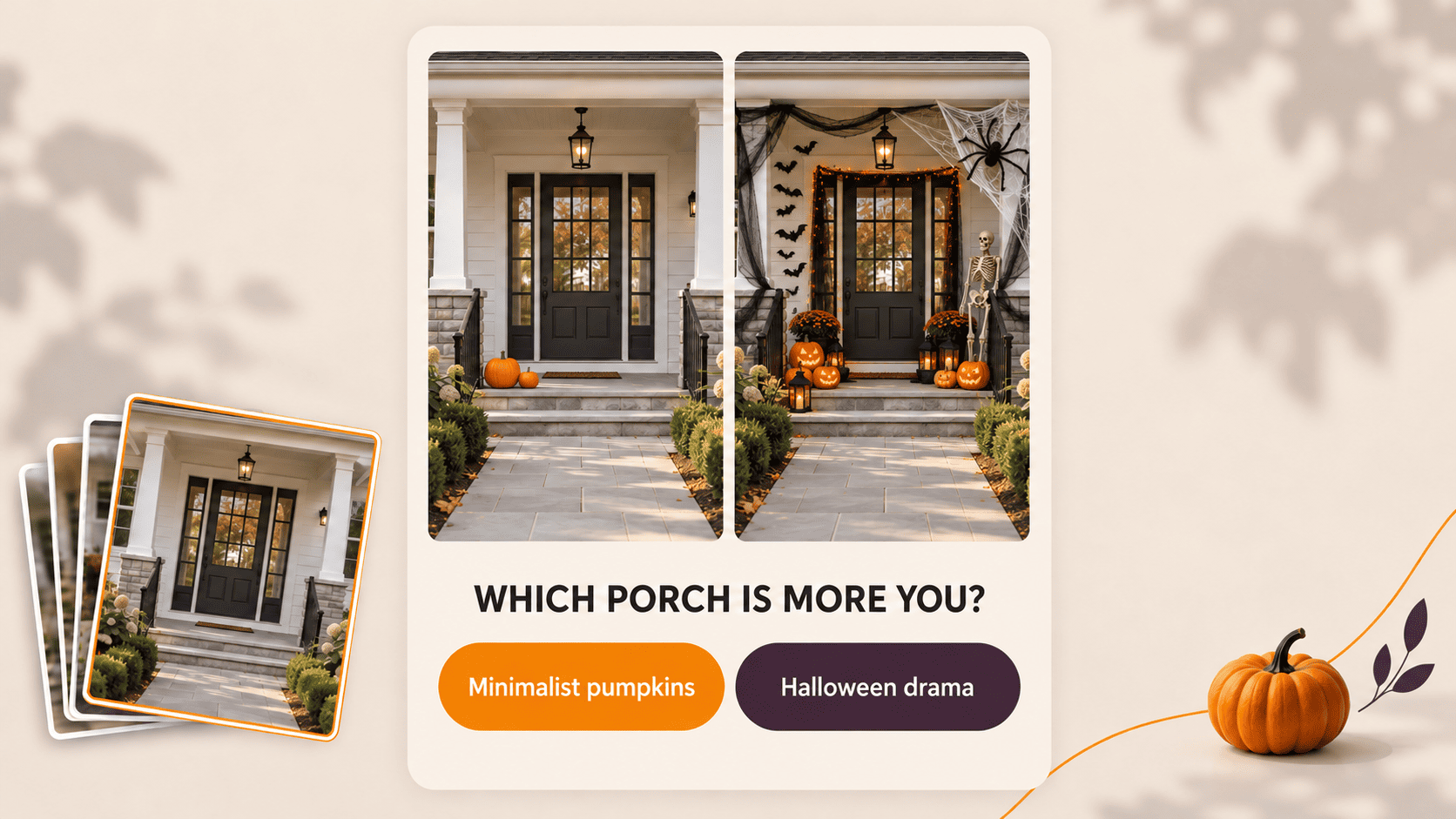
Start with content designed to prompt natural engagement. A quick poll comparing two porch setups, a carousel highlighting subtle fall decor, or behind-the-scenes footage of your team preparing for an event feels far more personal than generic holiday graphics.
Weave in your real estate context without making the post overly promotional. For example, a carousel titled “Halloween Decor That Enhances Curb Appeal” can demonstrate how to highlight the entryway, keep walkways clear, and avoid obscuring key architectural details.
On Instagram Stories, test a simple interactive poll:
“Which porch style is more you: minimalist pumpkins or full-on Halloween drama?”
Follow the poll results with a practical tip on curb appeal. If a follower inquires about home preparation, respond directly with personalized insight rather than immediately sending a listing presentation kit.
Maintain a consistent visual identity across your feed. A cohesive seasonal palette with refined graphic elements is all you need, ensuring the property imagery, key messaging, and contact details remain crisp and legible.
2. Turn Property Photos into a Halloween-Themed Reel
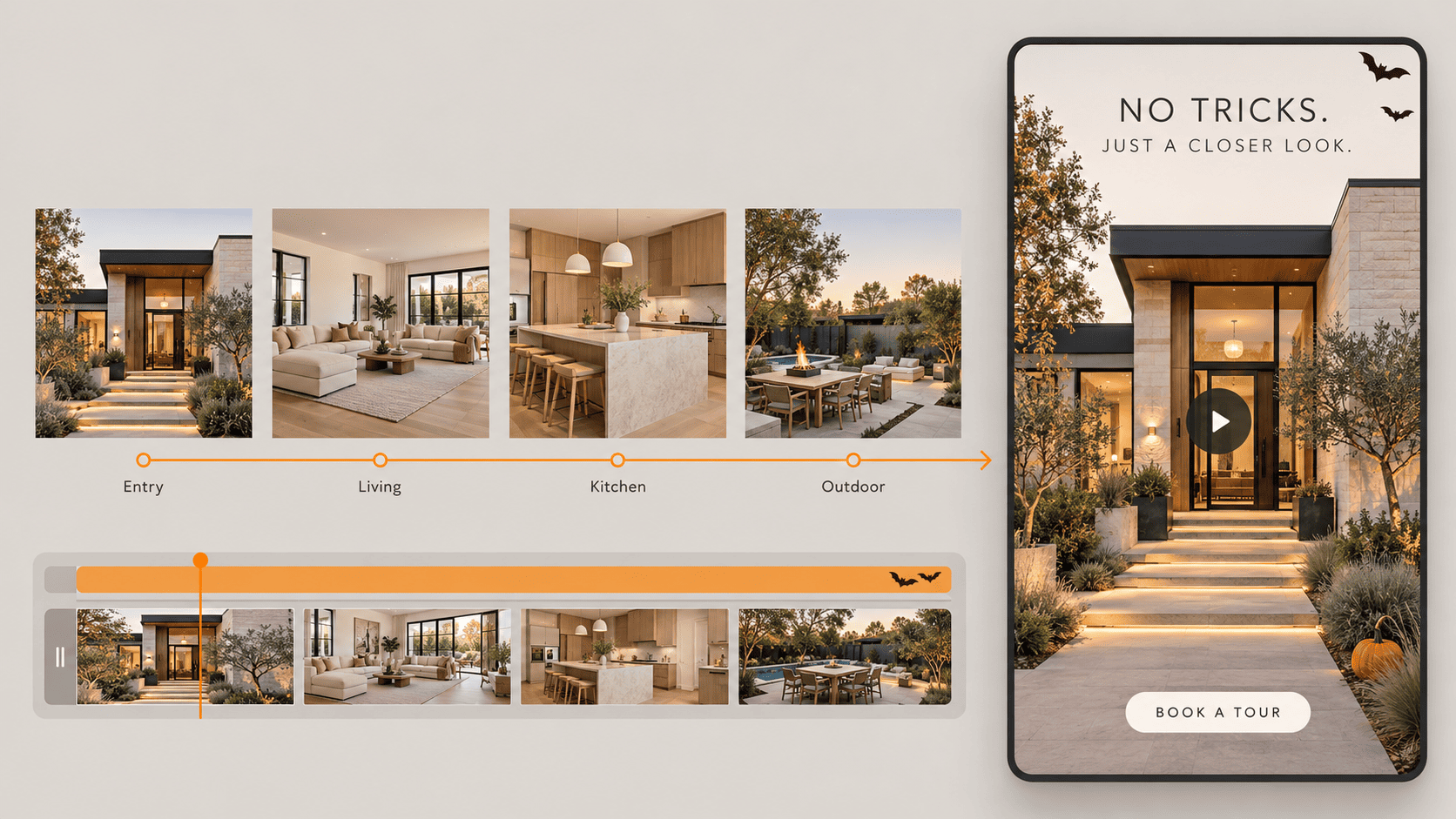
A short-form Reel can lend a fresh seasonal context to an existing set of property photos. Select images that follow a logical progression: entryway, main living space, kitchen, and outdoor area.
Hook viewers with a subtle Halloween-themed opening:
“No tricks here, just a property worth a closer look.”
Follow with clear, accurate property details. Highlight verified features, mention the neighborhood (where appropriate), and close with a specific call to action, such as requesting full listing details or booking a private tour.
Position seasonal decorative overlays along the outer margins, keeping core property elements unobscured. If you use AI animation, check that doors, windows, furnishings and room proportions remain accurate. Visual effects must never distort the home’s actual condition.
Prepare a reusable property edit first, then add the Halloween opening, graphics and audio as separate elements. Export both a seasonal version and a clean version so the property media can be used after the event.
Read more: Best Tools for Making AI Videos in Real Estate Marketing
3. Record a “Scary Real Estate Myths” Video

Use Halloween as a creative anchor to address common client misunderstandings. In each video, isolate a single myth, clarify the reality, and offer a practical next step.
Suggested topics include: believing automated online estimates reflect true market value; assuming every renovation yields a dollar-for-dollar return; or thinking a home must be fully updated before consulting a real estate professional.
Try this opening:
“Here is a real estate myth that is especially fitting for Halloween: thinking an online estimate is the exact price your home will sell for.”
Explain that a pricing assessment should consider the home’s condition, recent comparable sales and current competition. An online estimate does not establish the eventual sale price. Conclude with a clear offer to prepare a tailored market analysis for interested property owners.
Keep the tone reassuring and professional. Avoid jokes that belittle financial concerns or put clients on the defensive. For topics involving mortgages, taxes, or legal obligations, maintain strict accuracy and direct viewers to qualified specialists.
4. Publish a Local Halloween Events Guide
.png)
A local events guide gives your audience useful information they can share. Focus on a manageable geographic area and cover verified events such as pumpkin patches, neighborhood festivals, costume parades, and public trick-or-treating hubs.
For every listing, provide exact dates, operating hours, locations, admission fees, and direct links to official organizers. Include practical details where applicable, such as parking availability, advance registration requirements, and weather contingency plans.
Clear titling like “Halloween Events in [City Name] This October” immediately sets reader expectations. Display a visible timestamp showing when the guide was last updated, and promptly remove expired or canceled events.
Repurpose the guide across multiple content formats: a core blog article, social image carousels, short-form video clips, and email newsletters. Direct all distribution channels back to the main hosted guide, allowing you to maintain event accuracy from a single source of truth.
The value stems from precise local curation. A concise list of verified details serves readers far better than an exhaustive collection of copied, unverified listings.
Read more: Interior Home Decor Ideas: Transform Your Space with Style and Personality
Halloween Client and Community Marketing Ideas
Community activities create opportunities for conversation, but they also require coordination. Select an activity you can deliver well, and decide who will handle invitations, photography, guest questions and follow-up before promoting it.
5. Deliver Small Halloween Pop-By Gifts
.png)
Pop-by gifts are small, timely tokens delivered to past clients, referral partners, or existing contacts. Items can range from mini pumpkins and treat bags to basic carving kits, accompanied by a handwritten note.
Begin with a select group from your warm network. Map an efficient route and verify whether contacts prefer a brief face-to-face drop-off or a simple doorstep delivery.
Keep the accompanying message warm and straightforward:
“A small Halloween token just to say hello. Wishing you a festive season!”
Include your name and contact details on the gift tag, avoiding overly promotional sales language. When an opportunity for conversation arises, focus on asking about their well-being before bringing up business.
Select items that are easy to transport and safe to leave unattended. For edible gifts, ensure original ingredient labels remain intact, or opt for non-food alternatives. Never photograph recipients or their homes for marketing purposes without explicit permission.
6. Run a Pumpkin or Porch-Decorating Photo Contest
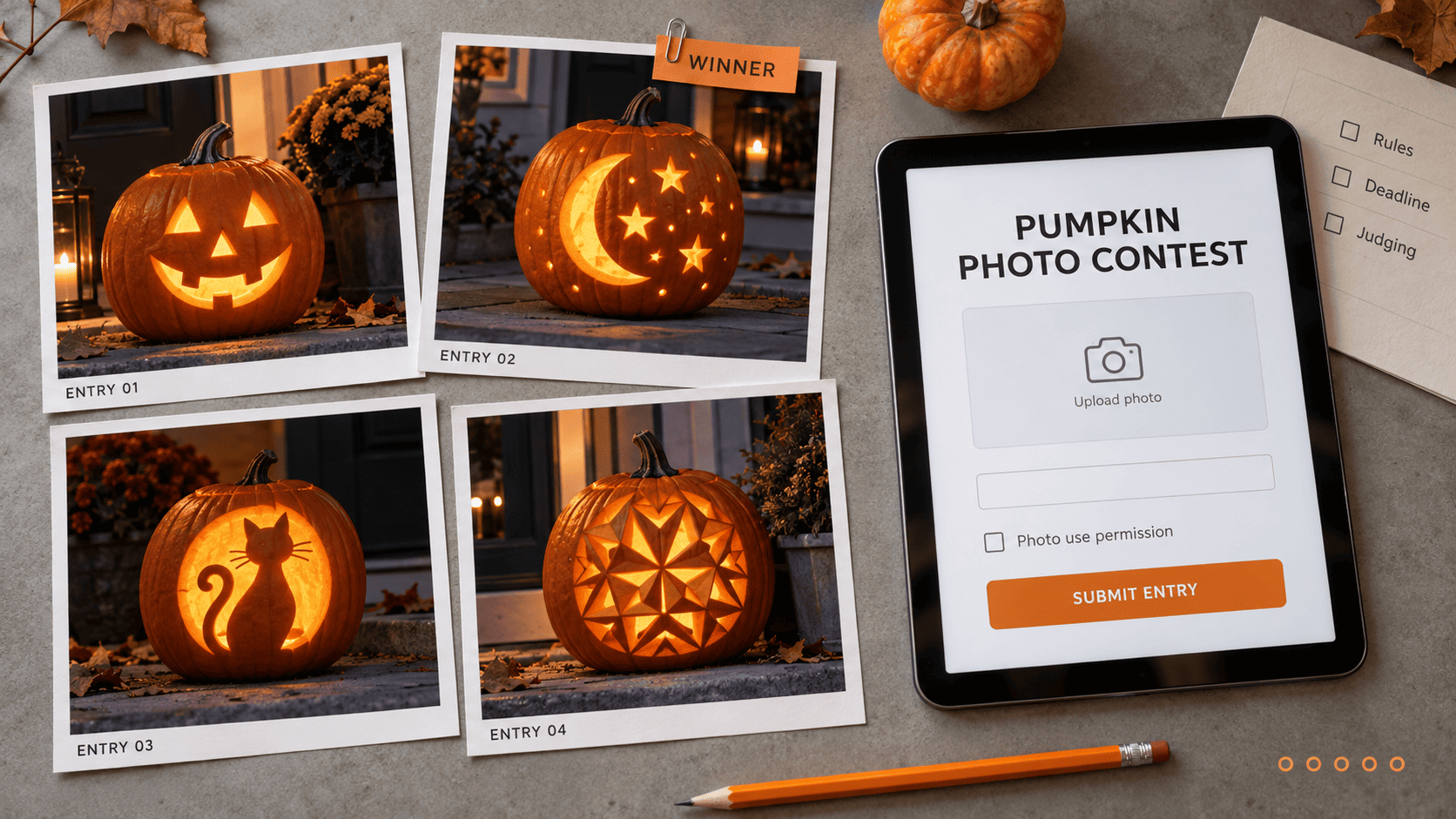
A photo contest gives your audience a reason to actively contribute rather than simply observe. Choose one clear theme, such as carved pumpkins, creative entryways, or seasonal porch displays.
Prior to launching, establish clear submission deadlines, eligibility criteria, prize details, and evaluation standards. Explicitly state how submitted imagery will be featured and obtain formal consent for any usage beyond the contest scope.
Streamline execution by having participants submit entries through a dedicated form, utilizing a small judging panel to determine the winner. A submission form and a small judging panel can simplify administration compared with public voting across several channels.
Instagram’s Promotion Guidelines specify clear requirements regarding official rules, eligibility disclosures, and platform compliance. Review the latest platform terms directly rather than duplicating contest mechanics observed on other accounts.
Structure your content calendar around the campaign: announcement → deadline reminder → featured submissions → winner reveal → thank-you post. Never publish precise home addresses or identifying personal details without explicit authorization.
7. Partner with a Local Business for a Seasonal Giveaway
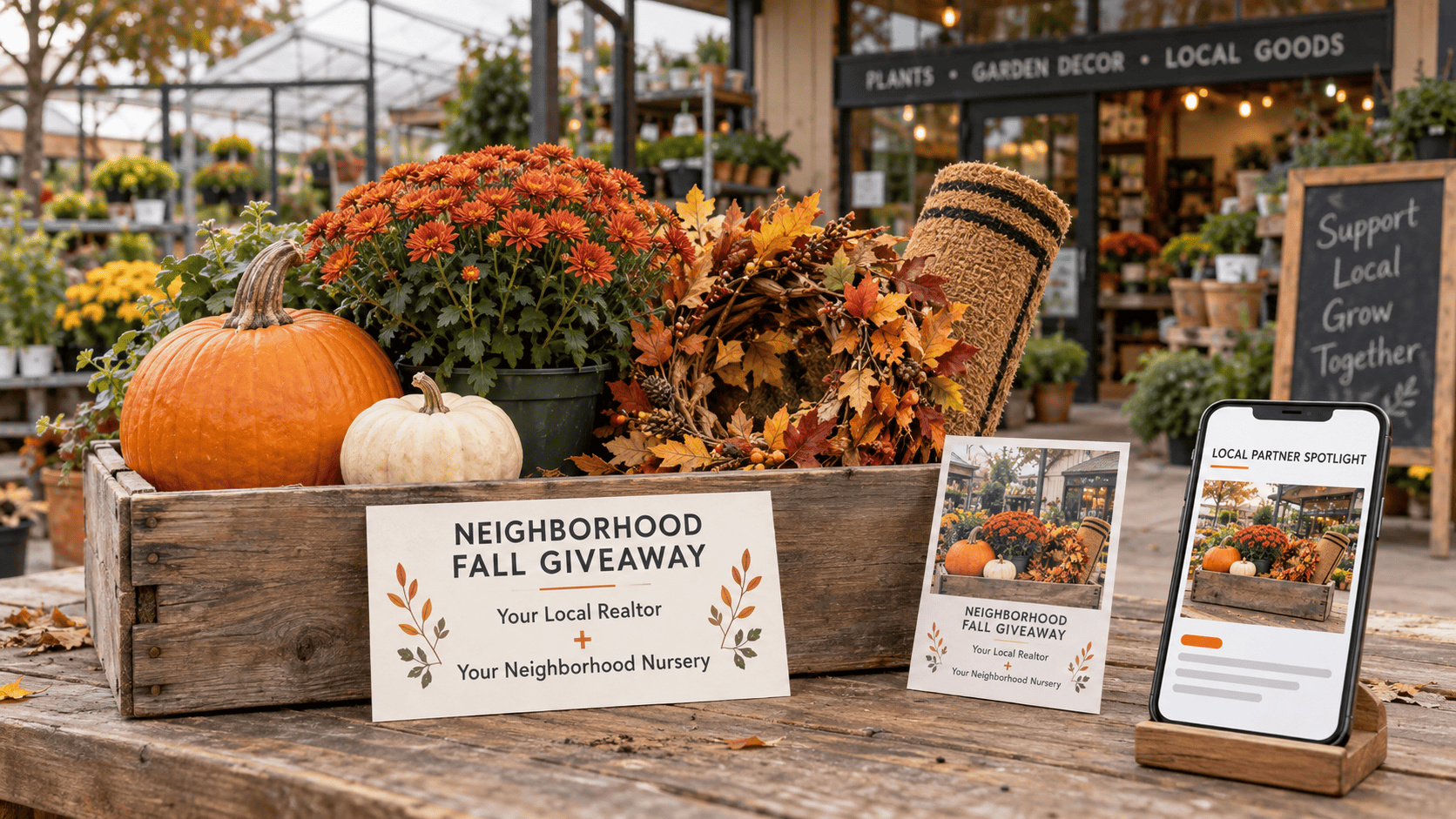
Partner with local businesses whose customer base naturally overlaps with your target geographic market. A local bakery, plant nursery, coffee shop, or home decor boutique can supply suitable seasonal giveaways or co-host a small community event.
Align on operational responsibilities before publicly announcing the partnership. Clearly define which party manages gift procurement, visual asset design, rule disclosures, participant list administration, and winner communications.
Practical Example: A local nursery provides a complete seasonal porch decor bundle, while you handle campaign graphic design and produce a short-form spotlight video highlighting their shop. Both entities then cross-promote the campaign through their respective marketing channels.
Explain which business will receive participant details, how those details will be used and who will contact the winner. Keep any sign-up for ongoing marketing clearly separate from entering the giveaway.
Measure success beyond superficial follower growth. Prioritize local participation and relevant conversations over entries from people outside your service area.
Read more: How to Make Video Using AI for Real Estate
8. Join a Community Trunk-or-Treat Event
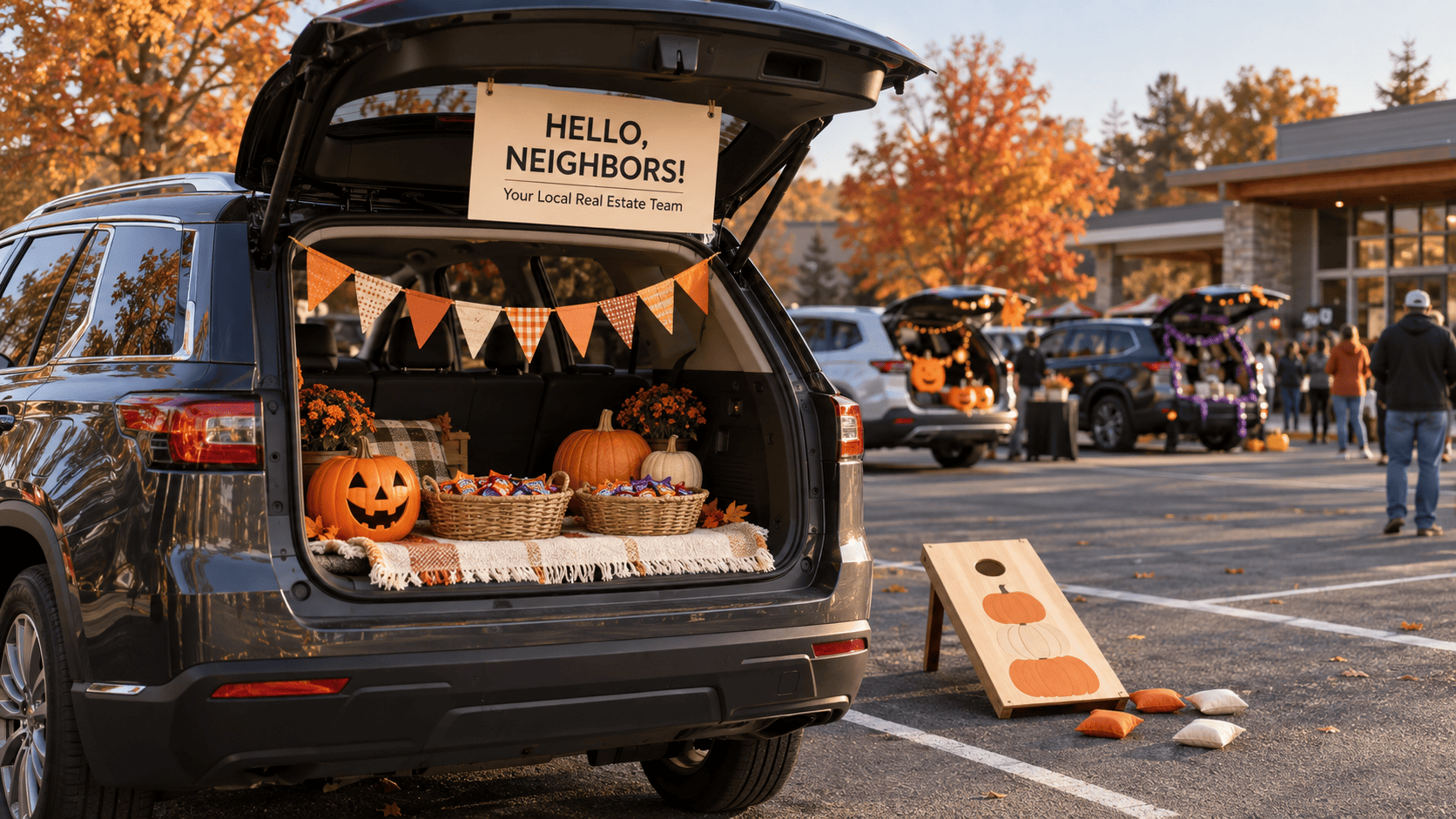
Joining an established community event can require less planning than organizing your own. Contact event organizers early to clarify space availability, booth setup guidelines, signage rules, photography policies, and permitted activities within your assigned zone.
Keep your setup welcoming and straightforward. A decorated trunk display, simple, understated branding, and a simple activity are all you need. Avoid cluttering the space with dense sales literature or aggressive marketing flyers.
If hosting a photo backdrop, clearly explain how attendees can access their photos and secure permission before publishing any personally identifiable images. Obtaining consent to deliver event photos must remain distinct from opt-ins for future marketing outreach.
Ensure your event activation allows ample time for face-to-face conversations. An overly complex game requiring constant monitoring will distract you from creating the meaningful personal connections you aimed for.
Following the event, share a well-crafted recap post thanking the organizers and acknowledging fellow local business partners. The focus should celebrate community engagement rather than implying that every attendee has converted into a prospective client.
Halloween Open House and Email Marketing Ideas
The strongest Halloween real estate marketing ideas keep the property or client need at the center. Seasonal presentation can make an invitation feel timely, but buyers still need clear information about the home and how to arrange a visit.
9. Host a Lightly Themed Halloween Open House
.png)
Use Halloween to create a welcoming atmosphere, while ensuring the primary focus remains on featuring the property. Always secure the homeowner's explicit consent before adding seasonal decor or altering room staging.
A few pumpkins near the entryway, tastefully arranged seasonal flowers, and individually wrapped snacks are fully sufficient. Maintain clear pathways, stairwells, and doorways; avoid placing decorations that obscure key finishes or architectural highlights.
Give visitors space to freely evaluate and discuss the home. Loud sound effects, darkened rooms, or elaborate prop setups can actively detract from the viewing experience.
Establish a clear greeting workflow and capture guest inquiries. Rather than simply asking if they like the home, ask which features matter most in their home search or whether they have questions about the property.
Maintain a strict separation between immediate property inquiry requests and opt-ins for future communication. The sign-in sheet must leave no ambiguity regarding subsequent follow-up outreach.
10. Promote Your Open House with Seasonal Photos and Invitations
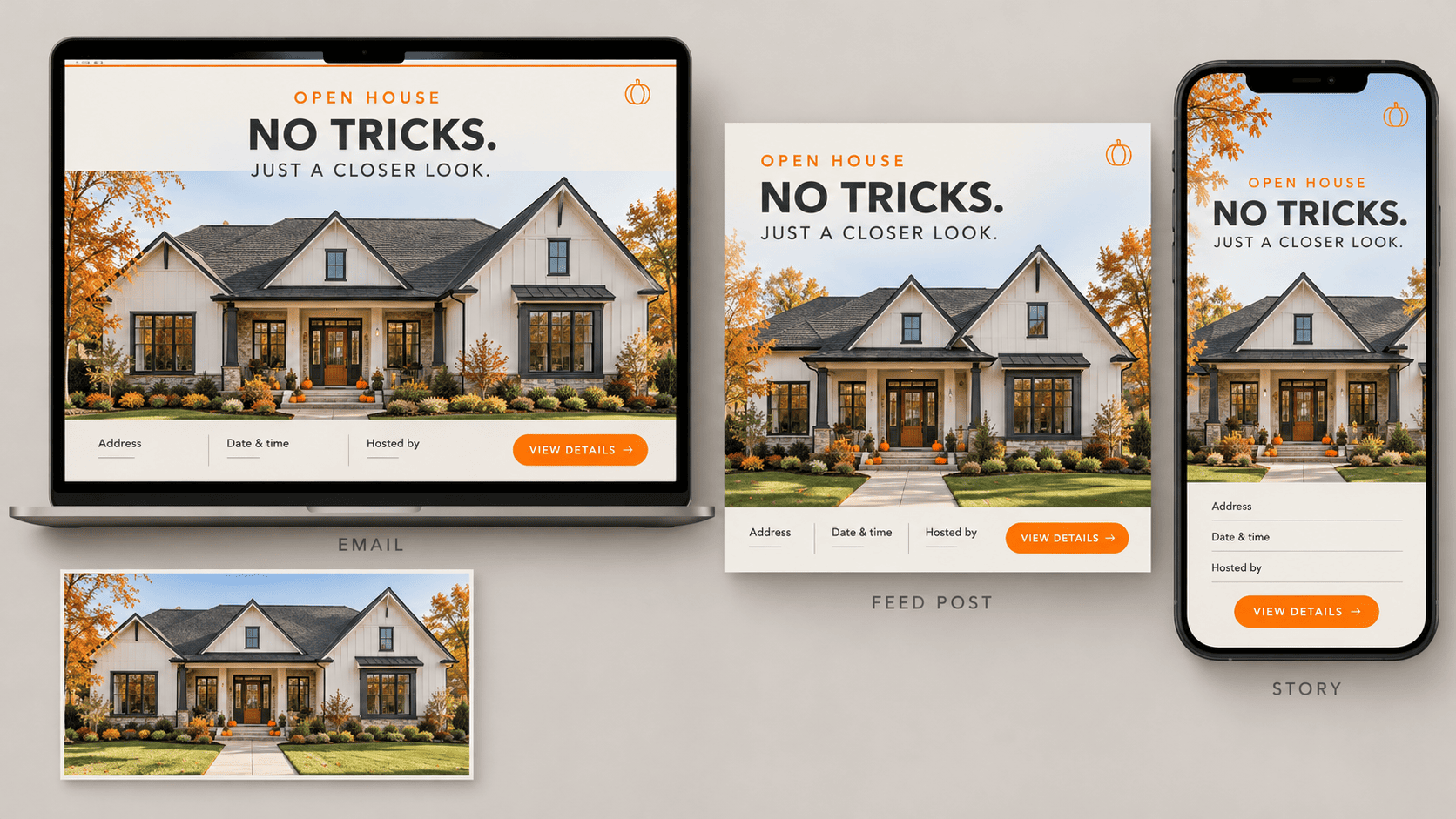
Create a coordinated set of promotional materials using the same property images, event details and visual style. The essentials are the address, date, time, host information and a clear reason to attend.
A seasonal headline can add personality:
“No Tricks, Just a Closer Look at [Property Address].”
Pair it with verified information about the home. A useful invitation might highlight an outdoor entertaining area, a flexible layout or another relevant feature instead of relying entirely on a Halloween pun.
Prepare different layouts for an email, a feed post and a vertical Story. Check that important text remains legible on a phone and is not covered by platform interface elements.
Use reminders to add information rather than repeat the same graphic. One post can introduce the property, another can show a key feature and a final reminder can confirm the event time.
After the open house, retire date-specific materials. Keep the original property photographs and a version without seasonal graphics for ongoing listing promotion.
11. Send a Useful Halloween Email to Past Clients
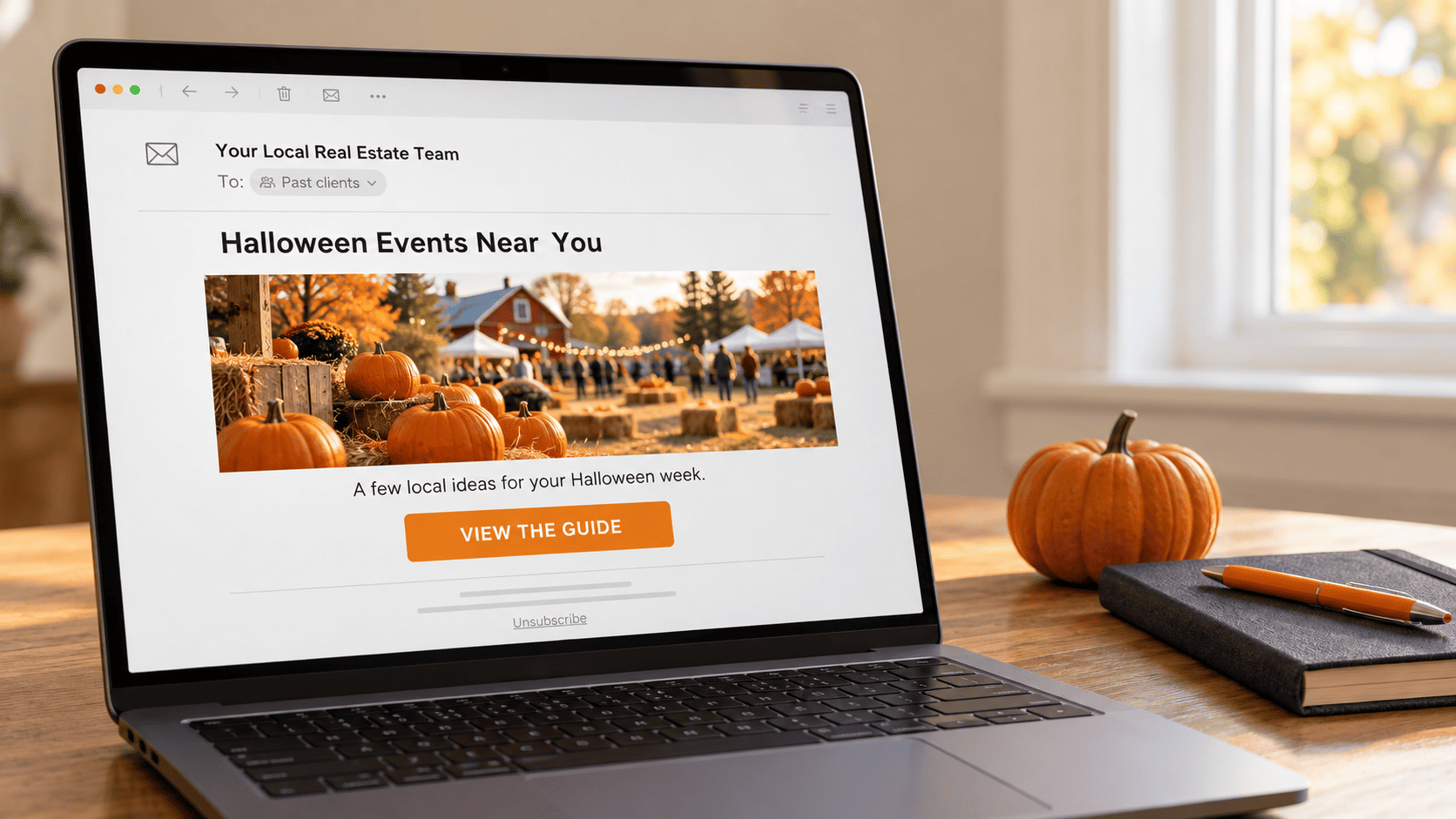
Anchor your email around a genuine value proposition that gives recipients a clear reason to open it. A concise, verified local event roundup, a timely homeownership tip, or an exclusive client invitation will consistently outperform a generic greeting paired with irrelevant sales pitches.
Practical Example:
-
Subject Line: Halloween event ideas around [City Name]
-
Opening Hook: “Looking for verified local events this week? I have compiled a quick guide with exact schedules, locations, and direct links to official organizer details.”
Feature one primary Call-To-Action (CTA). Invite readers to view the full guide, confirm their attendance (RSVP), or reply directly with any questions. If including property listings, ensure they directly complement the email topic rather than tacking on an exhaustive, uncurated inventory list at the bottom.
For commercial marketing emails, the FTC’s CAN-SPAM compliance guide explains requirements including accurate sender information, nondeceptive subject lines, a valid postal address and a clear opt-out method. A seasonal theme does not remove those obligations.
Segment your audience database whenever possible. Past clients, active homebuyers, and referral partners have distinct priorities and should receive tailored messaging that fits their specific context.
12. Share a Fall Homeowner Checklist
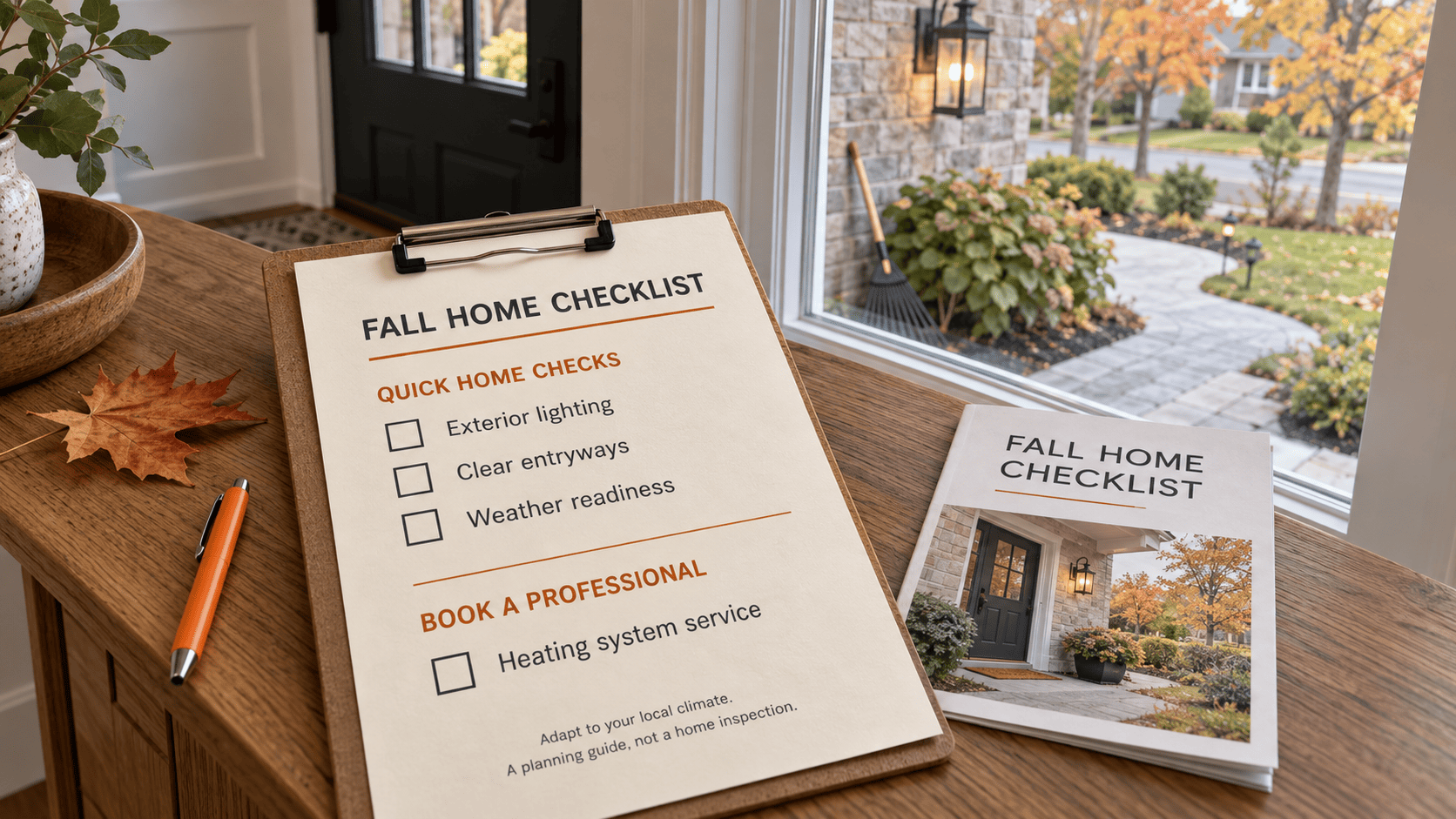
After Halloween, follow up with a locally relevant fall homeowner checklist. Focus on tasks tailored to your local climate and clearly differentiate between simple DIY inspections and service items requiring professional expertise.
Key seasonal topics include inspecting exterior lighting fixtures, clearing entryways and walkways, assessing weather-related maintenance needs, and scheduling routine heating system service.
Base maintenance advice on relevant manufacturer instructions and authoritative local or national resources. Deliver the checklist as a concise blog feature, a social media image carousel, or a printable client guide. Include a clear publication timestamp, note any regional climate caveats, and provide links to authoritative resources.
Use a low-friction call to action:
“Would a fall home maintenance checklist be helpful? Here is a quick copy you can save for later.”
Important: Never position a brief marketing checklist as a substitute for a comprehensive professional home inspection or certified mechanical service.
Last-Minute Halloween Marketing Ideas for Realtors
If Halloween is only a few days away, focus entirely on leveraging your existing assets and network. Producing a value-driven video, compiling a quick local event list, or sending a thoughtful email is far more feasible and effective than attempting to launch a brand-new community event from scratch.
A simple, focused campaign sequence is all you need: select one practical topic, create a single post or short video, distribute it across your established channels, and dedicate time to responding personally to all engagements.
Practical Example: Transform an existing listing photo suite into a seasonal short-form Reel, share your open house details via vertical Stories, and send targeted invitations to active, interested prospects. Ensure you hold proper media usage rights and that all property details remain accurate and up to date.
For client outreach, prioritize a few personalized messages over a rushed, mass-marketing blast. Reference your existing relationship naturally and share insights that directly align with their specific situation.
Avoid tactics that rely on unconfirmed venues, custom-printed items with long production lead times, or uncommitted partners. Choose a small campaign you can prepa
How to Follow Up and Measure Your Campaign
Choose the outcome you want before launching. An open house invitation should be evaluated differently from a client appreciation activity or a local events guide.
Follow Up with Relevant, Personal Messages
Tailor your follow-up sequence to directly reflect the nature of the previous interaction. An open house visitor likely expects additional property details; a contest participant is waiting for winner announcements; while a past client simply appreciates a thoughtful, personal check-in.
Property-focused follow-up template:
“Thank you for visiting [Property Address]. Following up on your question regarding [specific feature or detail], I have attached the information we discussed. Would you like to schedule a private second viewing?”
Community event follow-up template:
“Thanks for stopping by our Halloween booth! Here is the photo you requested, hope you had a fantastic time at the event.”
Fulfill all initial promises, such as sending requested documents or photos—before introducing any new service proposals. Log specific questions, preferences, and details into your CRM system to ensure future touchpoints remain contextually relevant.
Avoid assuming that event participation equates to immediate transaction intent. Continue your marketing outreach through appropriate channels while fully respecting each contact’s communication preferences and opt-out choices.
Track Responses, Registrations and Appointments
Select metrics that directly align with the core intent of each marketing initiative. For social media content, prioritize tracking meaningful replies, shares, profile visits, and referral clicks to linked assets. For event activations, record registrations, actual attendance figures, incoming inquiries, and scheduled follow-up appointments. For direct client outreach, document substantial conversations and explicit requests for assistance.
Utilize custom tagged URLs (UTM parameters) when driving traffic back to your website. Google’s campaign URL guidelines detail how UTM tags attribute traffic sources accurately within analytics platforms. Maintaining distinct tracking links across email broadcasts and social posts allows you to isolate the specific performance of each distribution channel.
Maintain a clear distinction between vanity engagement and actual business outcomes. A giveaway entry does not automatically constitute a qualified sales lead, and an initial consultation is not a closed transaction.
Factor both material production costs and staff hours into your final campaign audit. Document which specific activations generated high-value conversations, which creative assets can be repurposed, and what adjustments you will make next year. Measure your outcomes against your own historical campaign performance rather than relying on generalized industry conversion benchmarks.
Frequently Asked Questions
What Are Some Low-Cost Halloween Marketing Ideas for Realtors?
Use existing property photos for seasonal posts, record a short educational video, publish a verified local events guide or send personal messages to past clients. These activities can limit additional spending, although they still require preparation and follow-up time.
What Should Real Estate Agents Post for Halloween?
Post content that combines seasonal interest with a useful local or property-related topic. Examples include event guides, subtle decorating tips, real estate myth videos, open house invitations and approved community-event recaps.
When Should Realtors Start Halloween Marketing?
Work backward from the activity. Events, partnerships and custom gifts need enough time for approvals, sourcing and promotion. Simple posts and emails can be prepared closer to Halloween, provided the information and assets are ready.
Can You Run a Halloween Campaign Without an Active Listing?
Yes. Focus on community information, homeowner resources, educational videos and existing client relationships. You do not need an active listing to provide useful local content or reconnect with your audience.
Conclusion
Effective realtor Halloween marketing ideas connect a seasonal theme to a clear purpose: helping someone discover a local event, understand a property, answer a question or reconnect with their agent.
Choose a few activities you can execute well, keep the presentation consistent and follow through on the conversations they create. Photo and video assets can support the campaign across several channels when they are accurate, well organized and easy to adapt.
For agents and teams preparing seasonal content, Rotider supports photo and video post-production that helps turn existing property media into polished marketing assets. Keep reusable versions alongside Halloween-specific edits so the work can continue supporting your listings after October ends.

.jpg)


-1.png)

 (1).png)