
Best Flash for Real Estate Photography Review 2026
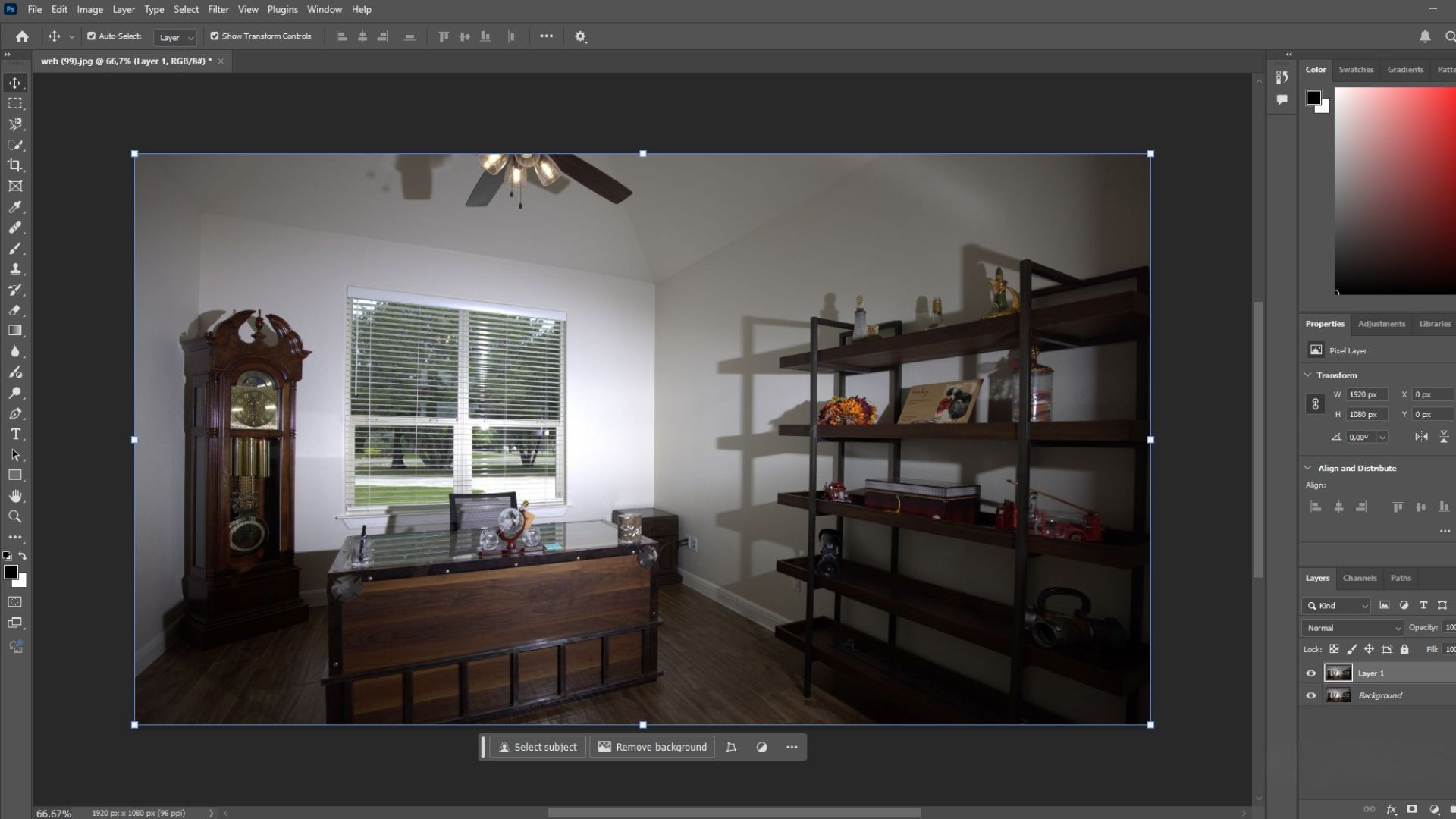
1. Best Flash for Real Estate Photography Review 2026
1.1. On-Camera Flashes
Godox V860III Speedlight
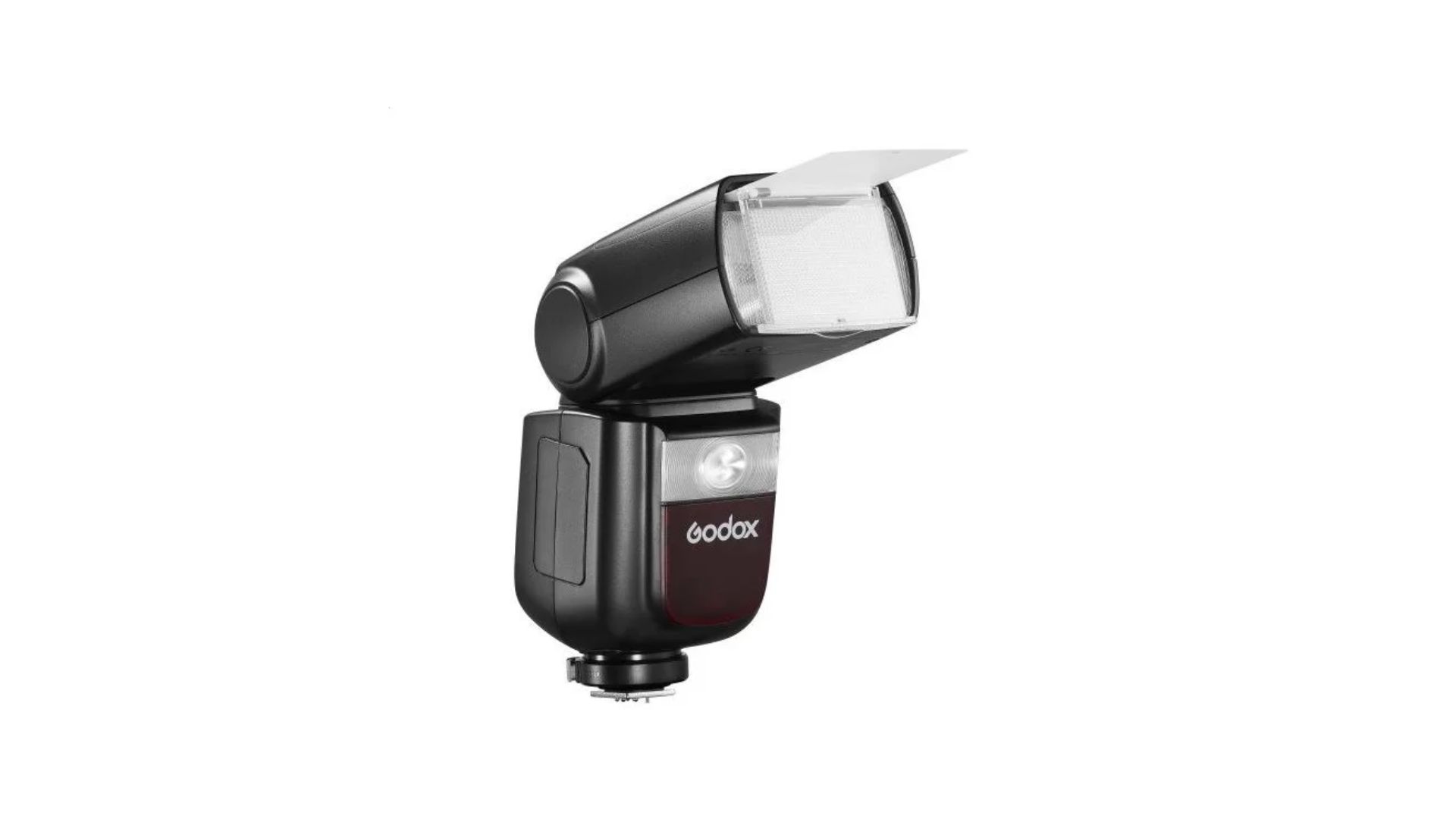
- Guide Number: 60
- Color temperature: ~5600K
- Battery: Li-ion rechargeable
- Modes: Manual, TTL
- Recycle time: ~1.5 seconds
- Strong and consistent output
- Long battery life for full shooting sessions
- Produces clean files for basic HDR and flambient editing
- Limited power for high ceilings
- Light can look flat without a proper bounce technique
Godox V1 Round Head Flash
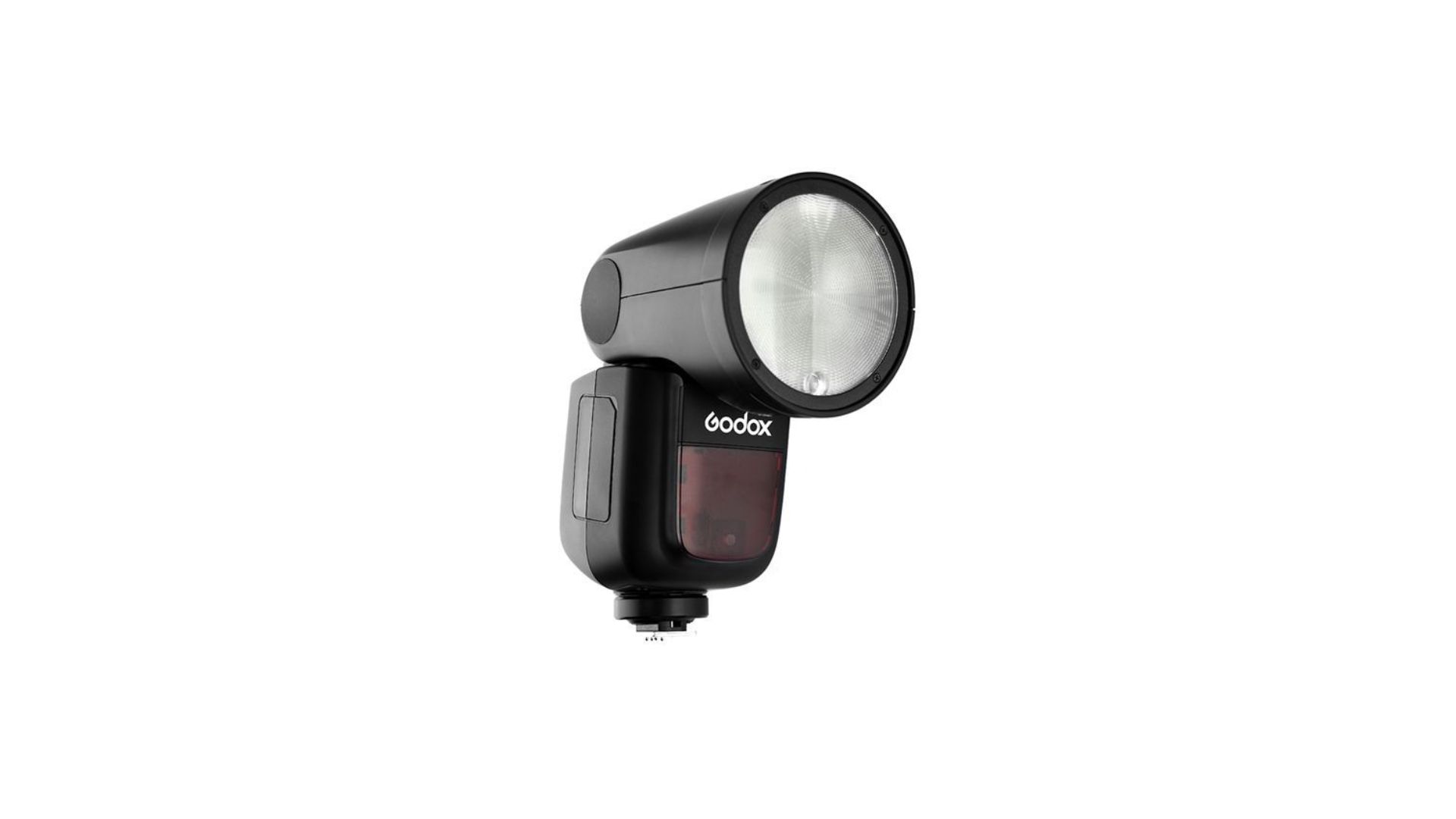
- Guide Number: 60
- Color temperature: ~5600K
- Battery: Li-ion rechargeable
- Modes: Manual, TTL
- Recycle time: ~1.5 seconds
- Softer light compared to traditional speedlights
- Magnetic modifiers for better light control
- Consistent color output for editing
- Higher cost than standard speedlights
- Not ideal for very large spaces
Canon Speedlite 600EX II-RT
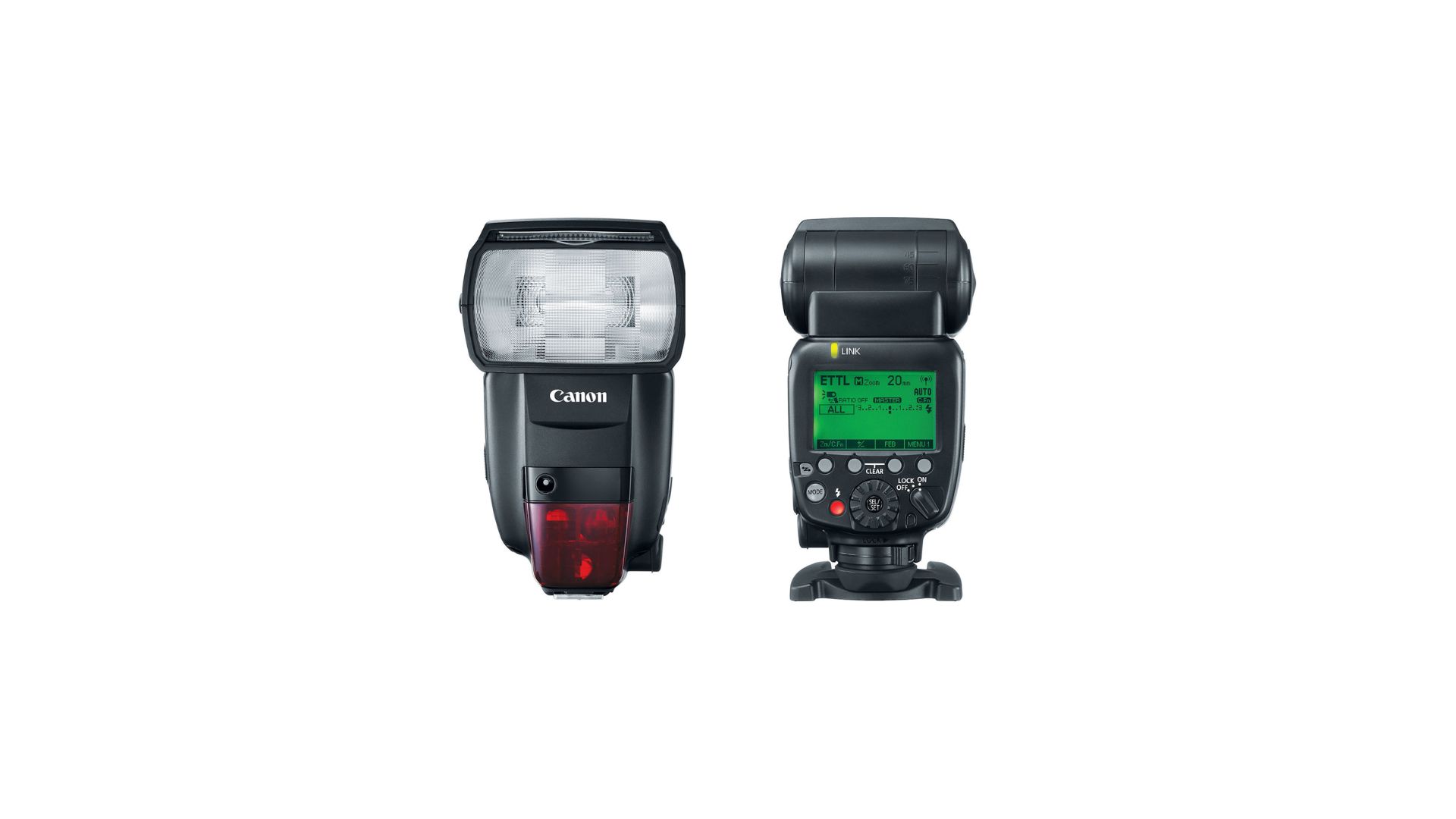
- Guide Number: 60
- Color temperature: ~5600K
- Battery: AA batteries
- Modes: Manual, TTL
- Recycle time: ~1.1 seconds
- Accurate and stable color reproduction
- Professional build quality
- AA batteries drain quickly
- Higher price compared to third-party flashes
Yongnuo YN560 IV
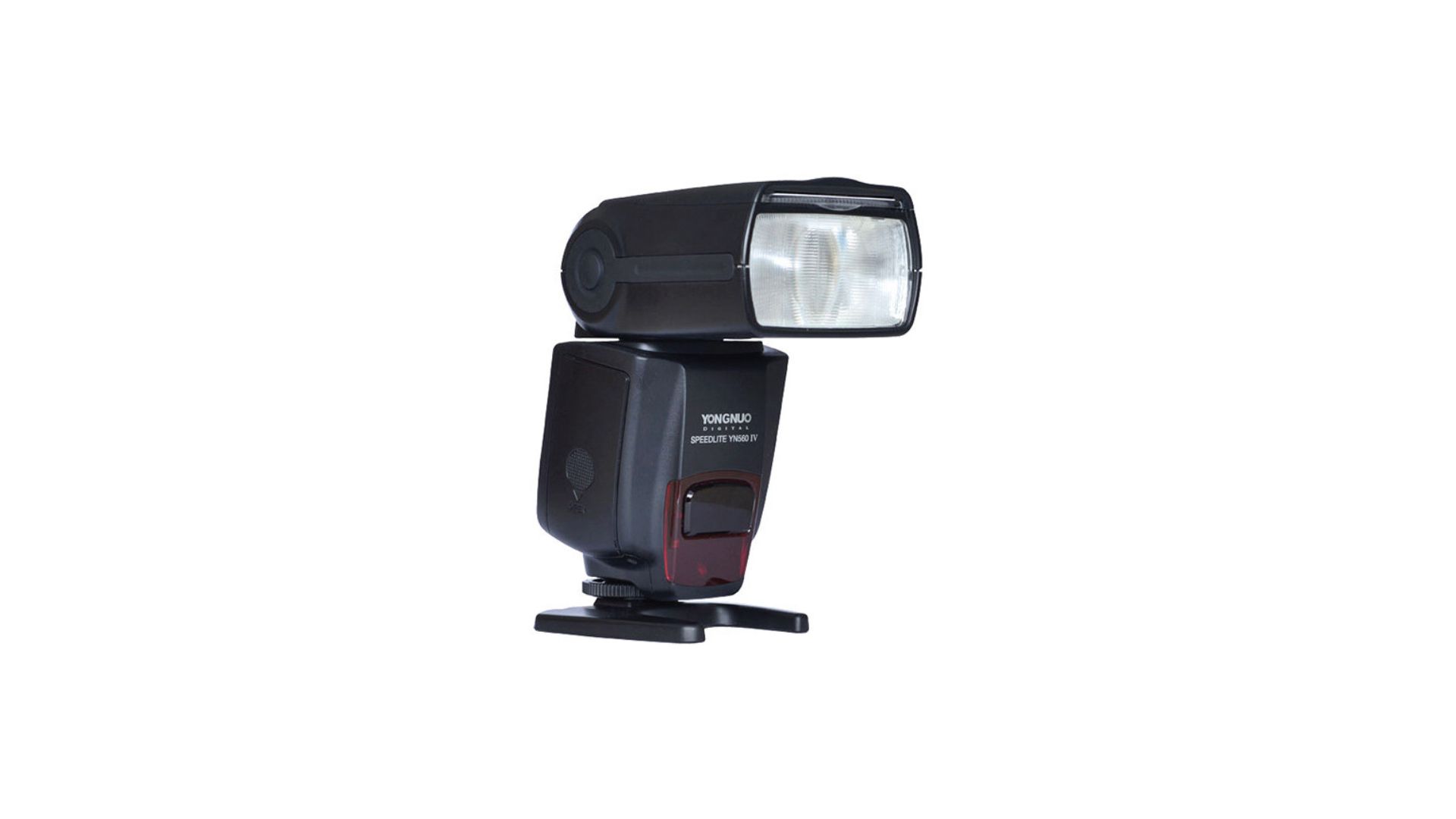
- Overview specs
- Guide Number: 58
- Color temperature: ~5600K
- Battery: AA batteries
- Modes: Manual only
- Recycle time: ~3 seconds
- Affordable price
- Manual control helps learn flash fundamentals
- Decent output for small rooms
- No TTL support
- Slower recycle time
- Less consistent color output
1.2. Off-Camera Flashes
Godox AD200 Pro
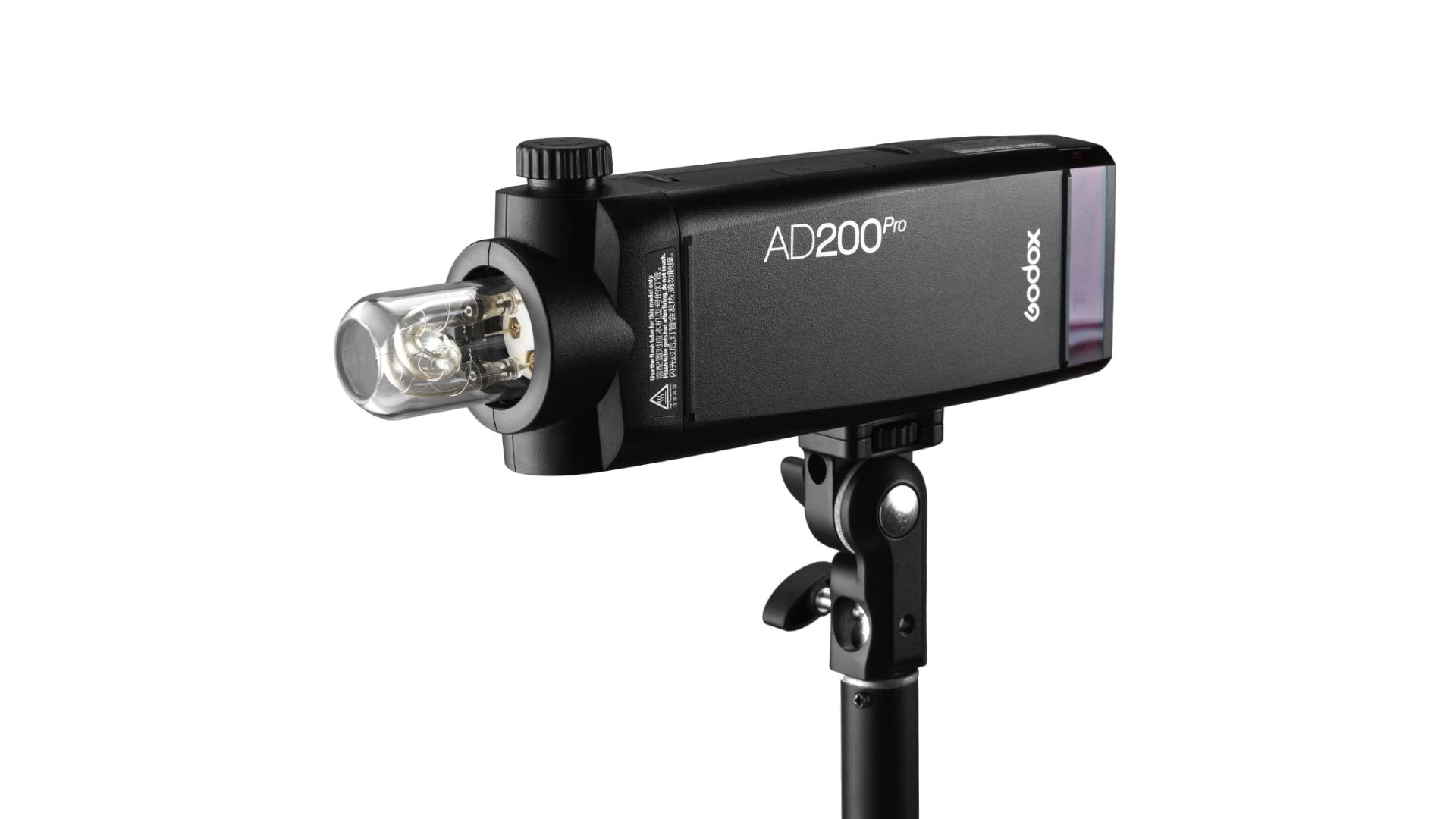
- Power output: 200Ws
- Color temperature: ~5600K
- Battery: Li-ion rechargeable
- Modes: Manual, TTL
- Recycle time: ~1.8 seconds
- Strong output for balanced interior lighting
- Consistent color temperature
- Compact and easy to transport
- Requires additional setup with stands and triggers
- More complex workflow than on-camera flash
Godox AD400 Pro
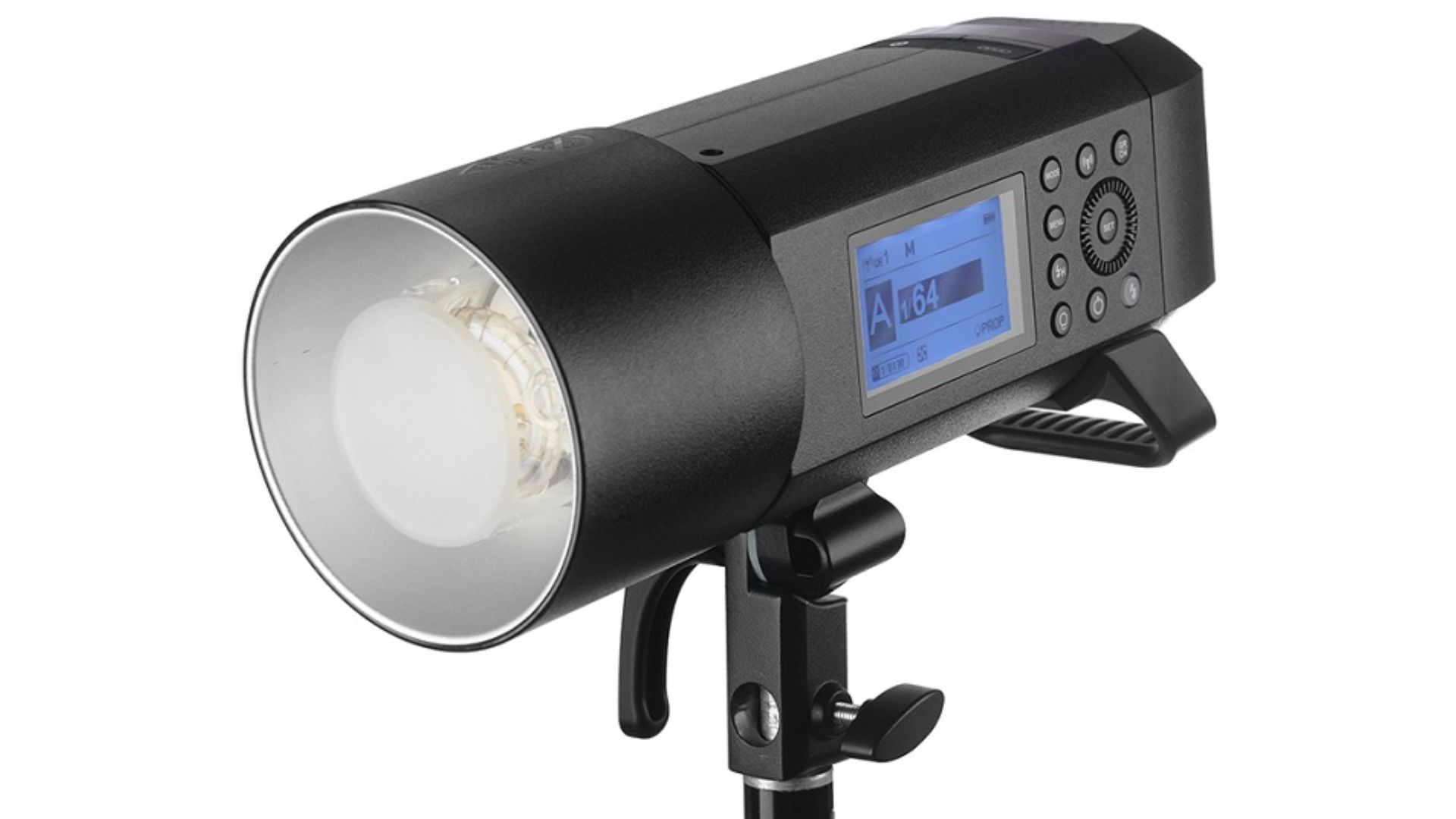
- Power output: 400Ws
- Color temperature: ~5600K
- Battery: Li-ion rechargeable
- Modes: Manual, TTL
- Recycle time: ~1 second
- Very powerful and even light output
- Excellent color consistency for professional editing
- Handles complex lighting environments with ease
- Heavier and less portable
- Higher investment cost
2. Why Flash Is Essential in Real Estate Photography?
- Balance interior and exterior light: Natural light alone usually cannot handle the contrast between bright windows and dark rooms. Flash fills in shadows and evens out exposure, making the space look brighter and more inviting.
- Improves color accuracy: Homes often use mixed lighting such as warm bulbs, LEDs, and daylight. Flash adds a neutral light source, reducing color casts and making white walls and furniture look more natural and consistent.
- Creates cleaner image files for editing: Using flash allows photographers to shoot at lower ISO and optimal settings. This results in sharper images with less noise, which is ideal for HDR, flambient, and flash blending workflows.
- Provides better control over light direction: With flash, photographers can decide where the light falls, highlight architectural details, and avoid flat or muddy-looking interiors, especially in larger spaces.
- Reduces post-production time: Well-lit photos need less correction in post-processing. Editors spend less time fixing exposure and color issues, helping speed up delivery for high-volume real estate listings.
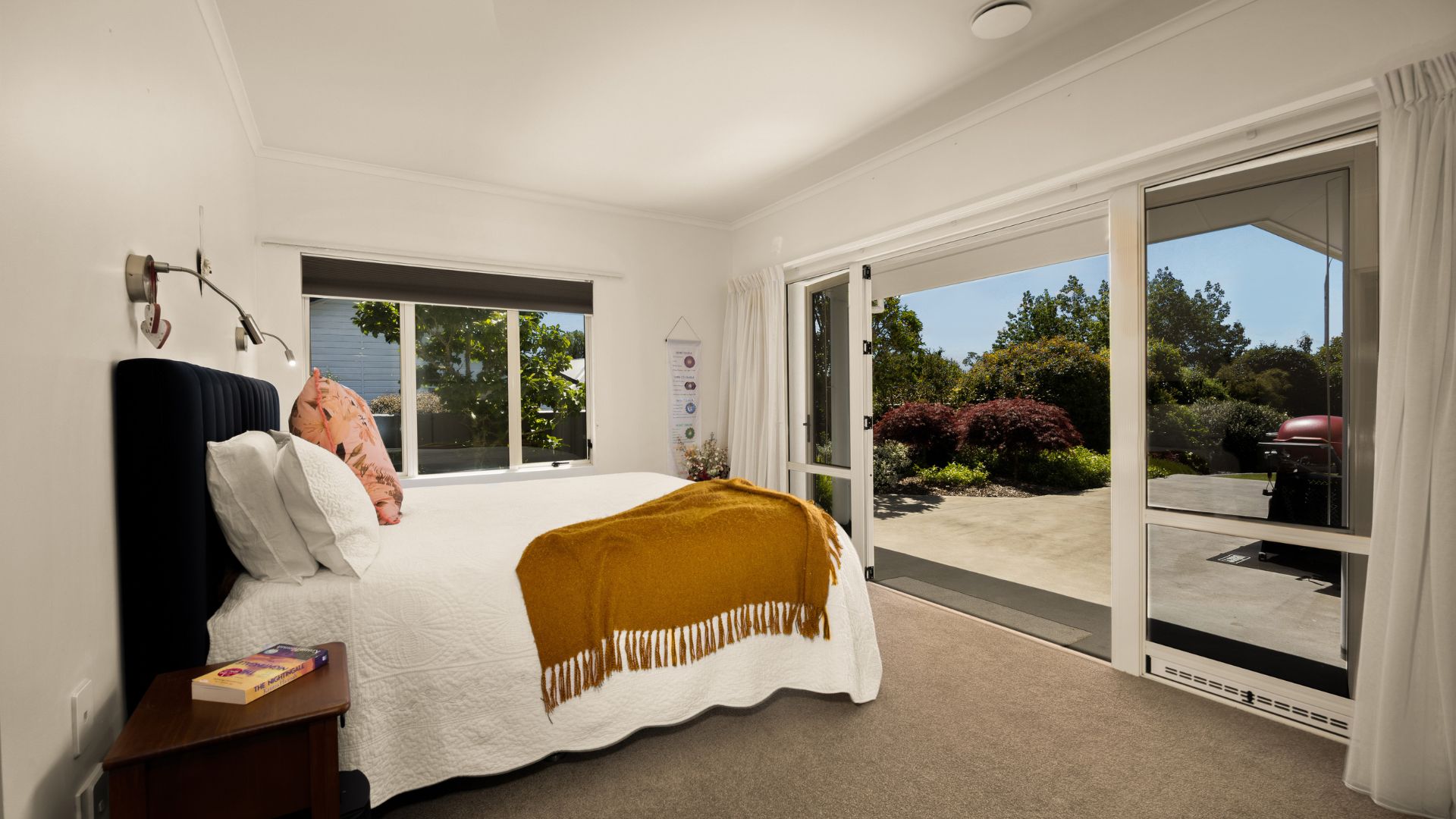
3. Flash vs Natural Light in Real Estate Photography
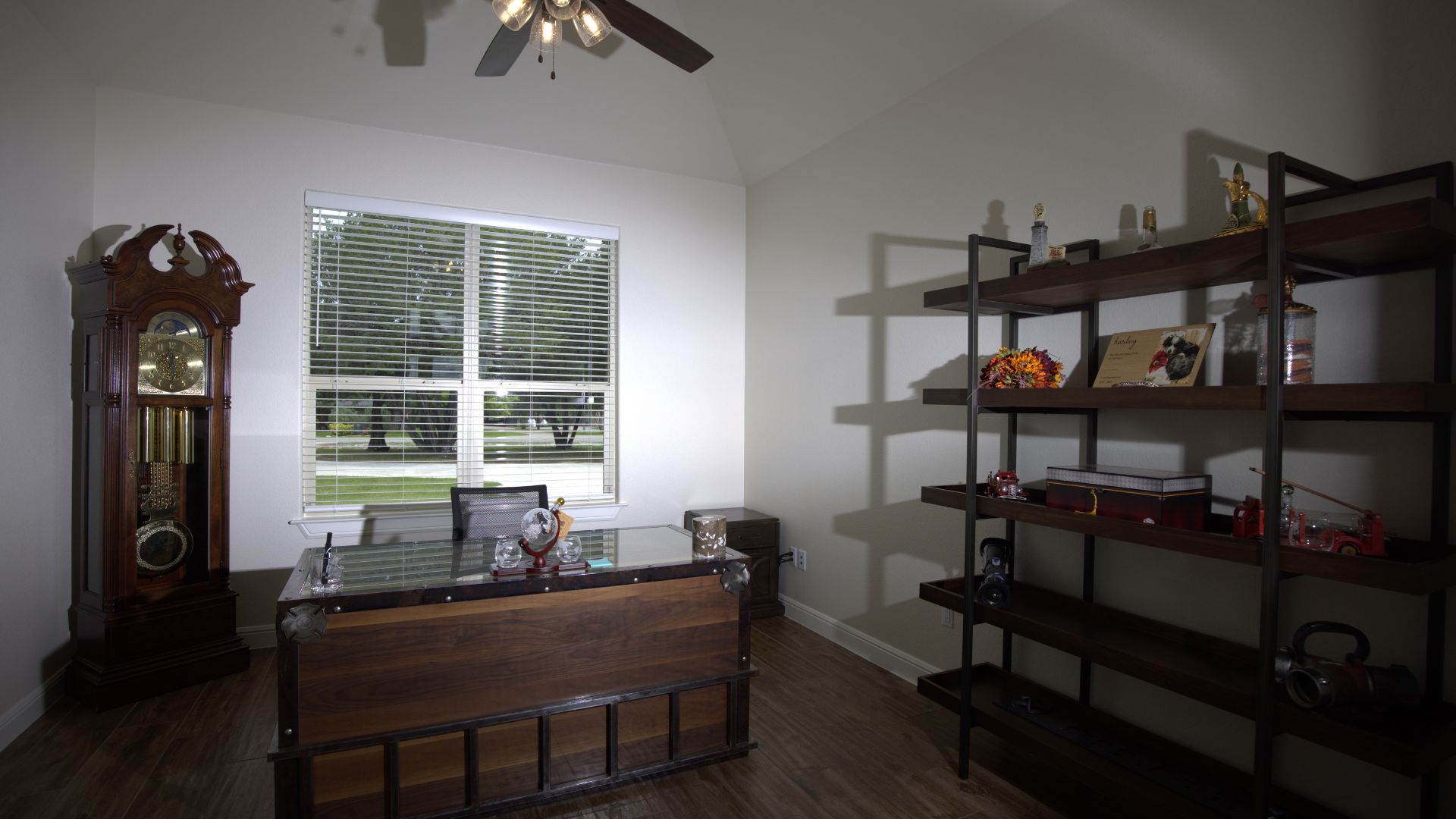
- Rooms with small or limited windows
- Dark interiors or north-facing rooms
- Spaces with mixed lighting (warm bulbs, LEDs, daylight)
- High ceilings or large open areas
- Listings that require consistent brightness across multiple rooms
- The room has large windows and strong daylight
- Lighting conditions are even and consistent
- The shoot focuses on lifestyle or minimal editing styles
- Weather and time of day are stable
4. Professional flash photo editing in real estate photography
- Flambient blending to combine ambient light with flash exposure while preserving a natural atmosphere
- Flash blending and shadow control to soften harsh shadows and reduce bright hotspots
- Window masking to balance interior lighting with exterior views
- Color correction for mixed lighting to maintain neutral whites and consistent tones
- Exposure and contrast refinement to enhance architectural details without overprocessing
Professional flash photo editing services at Rotider Media
- Bright and Crisp: Deliver well-lit images with clear details, ensuring interiors look bright without harsh highlights.
- Enhanced Colors: Correct color casts from mixed lighting and enhance tones to make photos look natural and visually appealing.
- Consistent Lighting: Balance light across every room, reduce strong shadows, and maintain a consistent look throughout the property.
- Showcases Details: Preserve textures and architectural details to help each space look sharp and professional.

Photo Post-production Specialist
Hi, I’m Vivian Nguyen, a Photo Post-production Specialist at Rotider Media, specializing in real estate image editing and professional post-production workflows. My work focuses on HDR and flambient editing, color correction, image retouching, virtual twilight, and quality control for high-volume real estate photography. Through hands-on production experience, I share practical insights into photo editing techniques, workflow optimization, and visual standards for real estate media.
Was this article helpful?
Your feedback helps us create more useful real estate media guides.


No Spam, Just Updates
Our fresh blogs provide technical and industrial information that helps strengthen your business. Sign up to be the first to receive the new updates
Related Posts

AI in Real Estate: A New Leap for Property Professionals
Sep 9, 2026
AI for Real Estate Marketing: A Practical Guide for Agents and Agencies
Sep 9, 2026
AI for Real Estate Agents: Practical Uses and Future Trends
Sep 7, 2026
15 Real Estate AI Companies to Know in 2026
Sep 5, 2026
How to Find Real Estate Image Editing Jobs in the USA
May 2, 2026