Selecting the best camera for real estate photography in 2026 requires prioritizing clean RAW output, wide dynamic range, reliable auto-exposure bracketing (AEB), and seamless compatibility with professional ultra-wide optics.
This analysis compares leading full-frame and APS-C camera bodies across core operational criteria, image performance, lens system support, overall cost, and post-production workflow compatibility, helping photographers select the ideal system tailored to their specific media operations.
For this guide, camera suitability is evaluated by RAW image quality, exposure bracketing, dynamic range, wide-angle lens availability, workflow reliability, and total system cost.
Best Real Estate Photography Cameras at a Glance
|
Camera |
Sensor and resolution |
Best for |
Main limitation |
|
Sony a7 V |
Full-frame, 33 MP |
Best overall professional workflow |
Higher initial system cost |
|
Canon EOS R6 Mark III |
Full-frame, 32.5 MP |
Canon users producing photos and videos |
Advanced features may exceed basic listing needs |
|
Nikon Z6III |
Full-frame, 24.5 MP |
Reliable hybrid production and low-light work |
Lower resolution than high-megapixel alternatives |
|
Fujifilm X-T5 |
APS-C, 40.2 MP |
High-resolution still photography in a smaller system |
Crop factor must be considered when choosing lenses |
|
Panasonic LUMIX S5II |
Full-frame, 24.2 MP |
Cost-conscious hybrid photo and video production |
L-mount lens selection requires careful planning |
These recommendations are based on manufacturer specifications, lens availability, and the workflow considerations described in this guide. Photographers should evaluate RAW file latitude and exposure-bracketing performance in a real property before changing systems.
What Makes a Camera Good for Real Estate Photography?
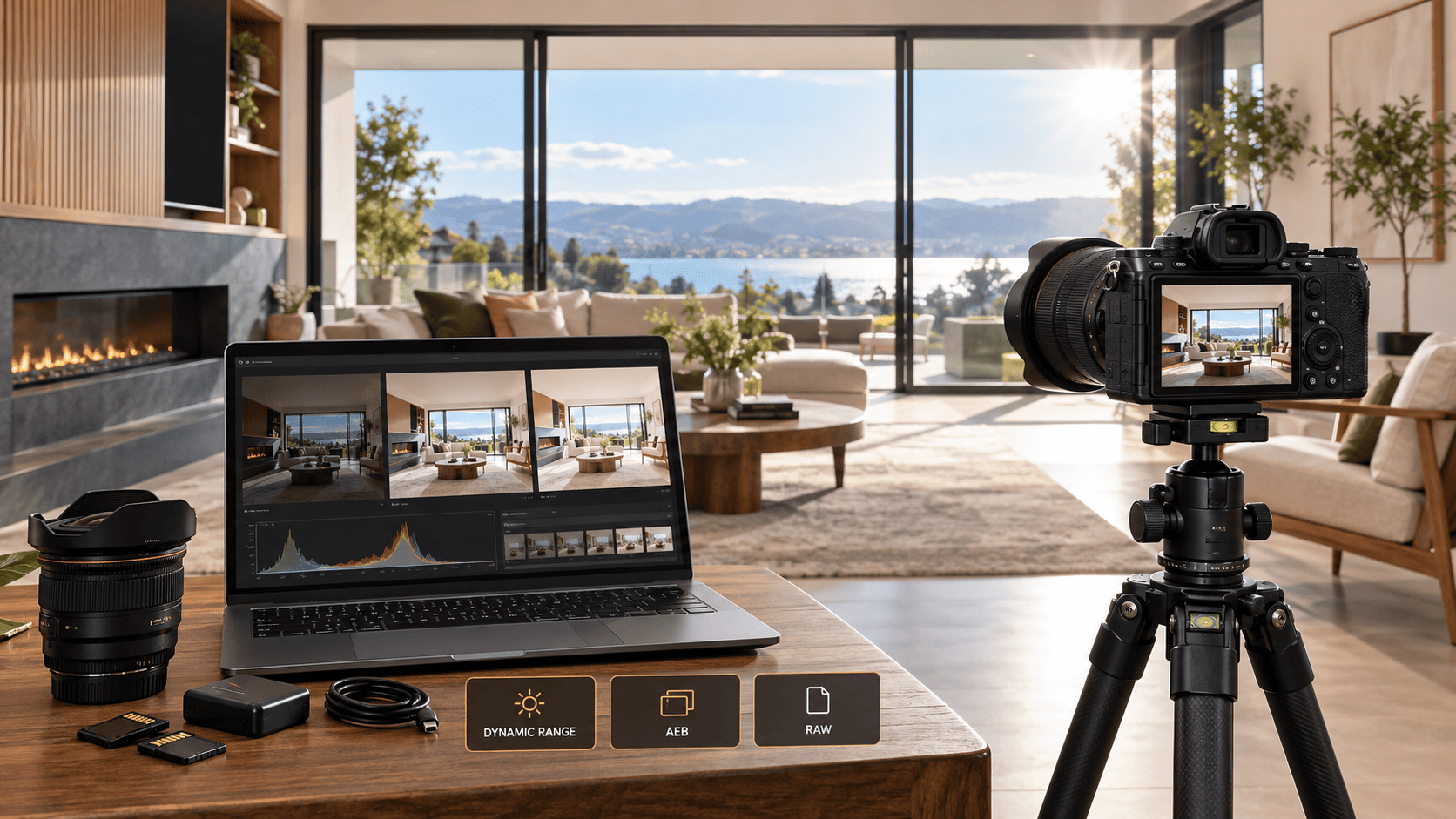
Real estate photography demands a fundamentally different camera feature set compared to sports, wildlife, or portraiture. While high burst rates and advanced subject-tracking autofocus are useful technical capabilities, they are rarely decisive factors when a camera is mounted on a tripod inside an empty property space.
Instead, camera selection hinges on dynamic range, reliable auto-exposure bracketing (AEB), clean RAW output, suitable wide-angle lenses, and consistent workflow performance.
Dynamic Range
Interior photography frequently places dark furnishings, shaded corners, and bright exterior windows within the same frame. A camera system with strong highlight and shadow recovery offers photographers greater editing latitude before digital noise, color shifts, or permanent detail loss occur.
However, manufacturer dynamic range specs should be evaluated cautiously, as test environments and measurement standards vary widely across brands. Advertised EV stop ratings should never serve as the sole criterion when comparing camera systems for property work.
Furthermore, while a wider dynamic range is undeniably beneficial, it does not eliminate the need for exposure bracketing, flash integration, or ambient lighting techniques. Even modern full-frame sensors encounter operational limits when exposing dark interior spaces set against harsh, sunlit exterior windows in a single exposure.
Auto Exposure Bracketing and RAW Capture
Automatic exposure bracketing allows the camera to capture several frames at different exposure values without requiring the photographer to adjust every frame manually. These files can later be blended into one balanced image.
Adobe recommends using automatic exposure bracketing and a tripod when capturing files for HDR Photo Merge in Lightroom. Lightroom can then combine the bracketed files while aligning minor movement and controlling ghosting.
Before purchasing a camera, check its manual for the number of bracketed frames, available EV spacing and whether the sequence can be triggered without repeatedly touching the camera. A technically capable sensor becomes frustrating if bracketing requires several menu changes at every property.
Wide-Angle Lens Compatibility
Evaluating a camera body must always be contextualized within its supporting lens ecosystem. when selecting a suitable camera system, photographers require ultra-wide optics capable of capturing tight bedrooms, bathrooms, and compact interior spaces without unnaturally distorting room proportions or stretching spatial dimensions.
For full-frame systems, the standard working focal range spans 14–35mm, with 16–35mm serving as a versatile workhorse across most residential and commercial properties. Photographers operating APS-C systems typically need lenses starting at 10–12mm to achieve an equivalent field of view.
In real-world production, factors such as first- and third-party lens availability, edge-to-edge optical sharpness, and effective distortion correction profiles consistently outweigh minor technical spec differences between camera bodies.
Resolution and Low-Light Performance
A sensor resolution between 20 and 33 megapixels is more than sufficient for the vast majority of residential listings, marketing websites, print flyers, and social media channels. Keeping resolution within this range streamlines RAW asset management, particularly when every final deliverable is built from a set of three to five bracketed exposures.
Higher-megapixel cameras offer greater flexibility for cropping, perspective correction, and large-format commercial print production. They are ideal for luxury estate listings, architectural photography, and print-demanding clients. The trade-offs, however, include inflated storage demands, slower file transfer speeds, and heavier computational loads during post-processing.
Because property media is shot almost exclusively from a tripod, extreme high-ISO capability is far less critical than in fast-paced event coverage. When selecting the best camera for real estate photography, clean base-ISO output and strong highlight detail recovery take clear priority over high-ISO noise reduction.
Workflow and Video Features
Operational reliability for the best camera for real estate photography extends far beyond static image quality. Features such as dual card slots for real-time data redundancy, USB-C power delivery, tethering capability, extended battery performance, and customizable controls significantly streamline back-to-back property shoots.
For media creators offering video walkthroughs, critical considerations include resolution options, frame rates, thermal management, in-body image stabilization (IBIS), Log profiles, and card speed requirements. Advanced video codecs only deliver real-world value if post-production hardware and storage infrastructure can process them efficiently without causing rendering bottlenecks.
Ultimately, a camera body with impressive technical specifications that introduces unnecessary friction into file management and archiving will still compromise the efficiency of the entire post-production pipeline.
Full-Frame Sensor vs Crop Sensor for Real Estate Photography
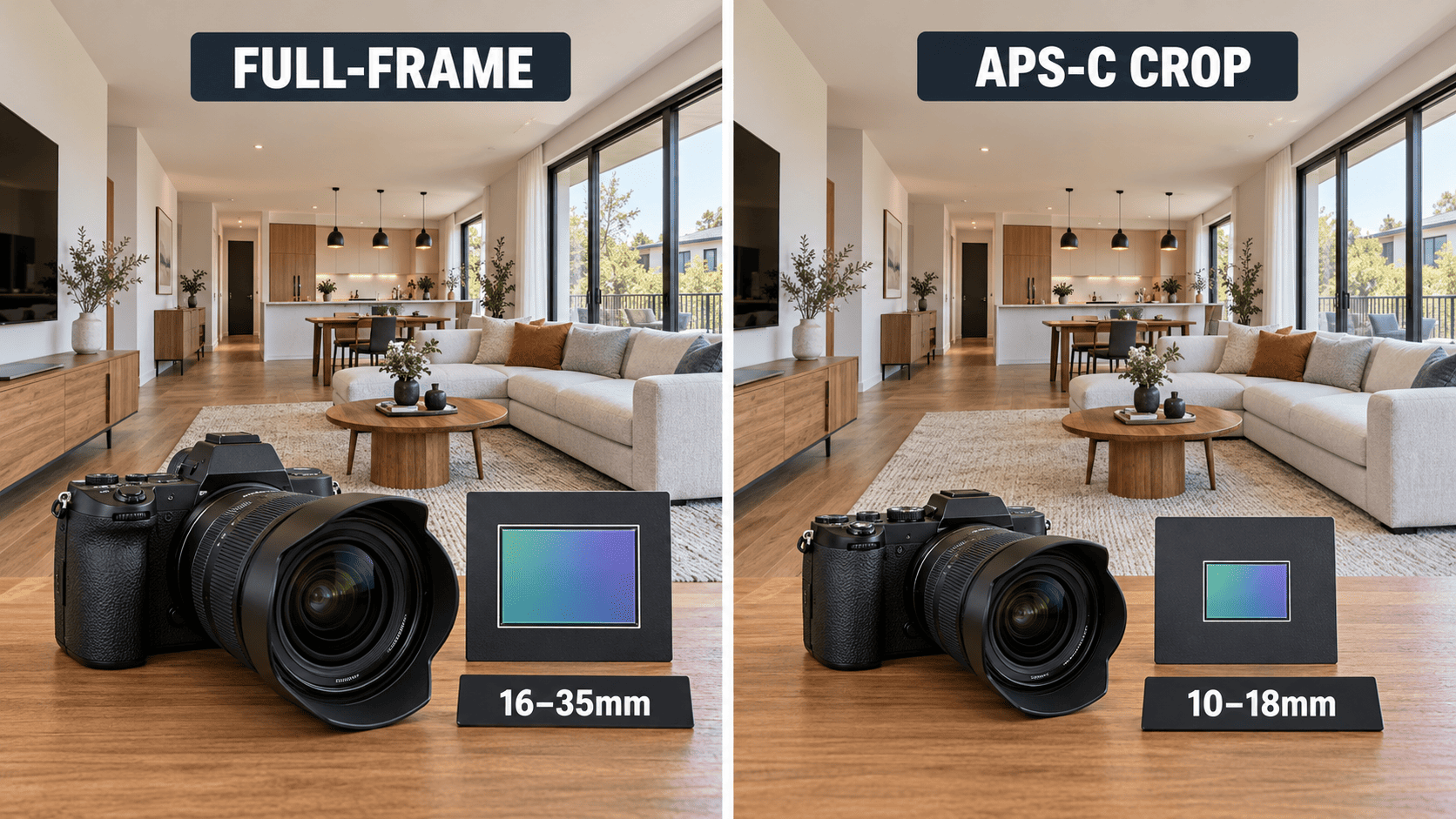
Both full-frame and APS-C (Crop sensor) cameras can produce professional real estate images. The better format depends on budget, lens selection, output requirements and the photographer’s existing equipment.
Full-Frame Cameras
Generally speaking, full-frame cameras offer greater operational latitude when shooting scenes with high dynamic contrast or elevated ISO settings. Their larger sensor area provides direct, uncropped access to industry-standard ultra-wide focal ranges such as 14–24mm and 16–35mm.
This format is ideal for photographers targeting luxury residential properties, commercial interiors, architectural projects, or hybrid photo-video deliverables. Full-frame platforms offer clear long-term expansion paths, though the total investment in camera bodies, premium glass, and storage infrastructure is noticeably higher.
The true practical benefit is not that full-frame imagery is inherently superior in every scenario, but rather that choosing the best camera for real estate photography with a full-frame sensor delivers expanded latitude when managing harsh lighting conditions, constrained spatial footprints, or strict client delivery specifications.
Crop Sensor Cameras
Modern APS-C (crop-sensor) cameras are fully capable of handling residential property media work when paired with the right glass. They offer a compact footprint, a lower barrier to entry, and resolutions that comfortably exceed standard online real estate marketing requirements.
The primary technical consideration is focal length equivalence. A 16mm lens mounted on an APS-C body will not yield the same field of view as it does on a full-frame sensor. Depending on the brand's specific crop factor, photographers typically need optics in the 10–12mm range to achieve an adequately wide perspective for interior environments.
For industry newcomers, adopting an APS-C system as their primary real estate photography camera represents a far more pragmatic capital allocation strategy. It prevents exhausting the budget on the camera body alone, ensuring sufficient capital remains for essential production tools like quality wide-angle optics, robust tripods, and lighting setups.
Crop Factor for Interior Photography
Crop factor changes the angle of view, not the printed focal length on the lens. A 10mm lens on a Canon APS-C camera produces a field of view broadly comparable to approximately 16mm on full frame. A 12mm lens on a Nikon or Fujifilm APS-C body is closer to an 18mm full-frame view.
This matters in small rooms. A kit lens beginning at 18mm on APS-C is often not wide enough for professional interior work.
Canon’s RF-S 10–18mm lens and Nikon’s NIKKOR Z DX 12–28mm are examples of compact ultra-wide options designed for their respective APS-C systems.
Read more: 10 Tips to Take Your HDR Real Estate Photography to the Next Level
Best Cameras for Real Estate Photography by Brand
No camera brand is universally better for property work. The practical choice depends on lens availability, existing equipment, video requirements and how easily the camera fits into the photographer’s production process.
Best Sony Camera for Real Estate Photography: Sony a7 V
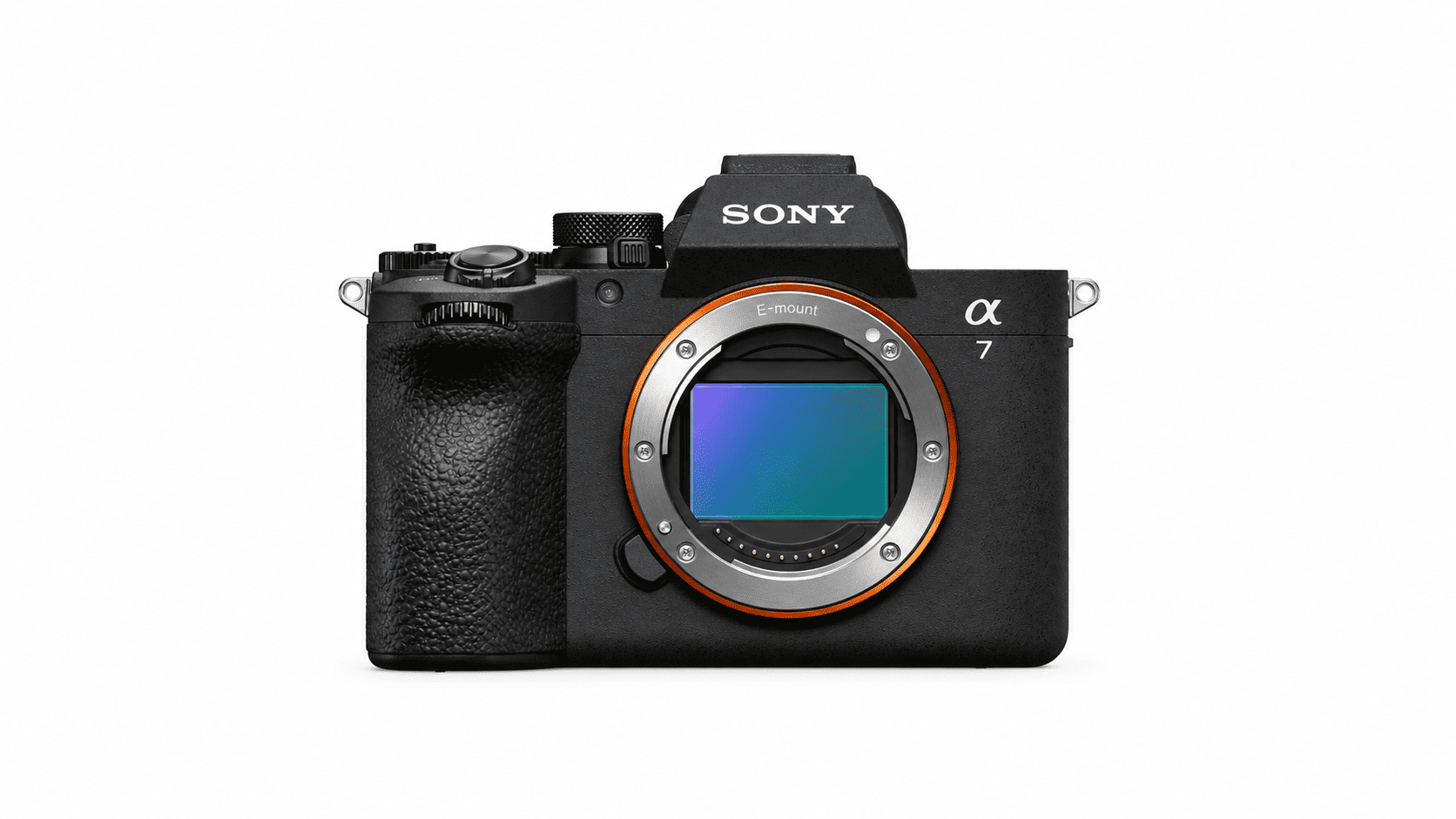
The Sony Alpha 7 V is the strongest overall choice for photographers who need one camera for property stills, walkthrough videos and broader commercial work.
The camera’s 33-megapixel full-frame sensor delivers a well-balanced resolution, providing ample latitude for perspective corrections and moderate cropping without generating the massive file sizes typical of ultra-high-resolution bodies. Furthermore, the Sony E-mount ecosystem boasts a deep library of wide-angle glass, ranging from compact ultra-wide zooms and professional 16–35mm lenses to versatile third-party alternatives.
For video production, it supports 4K recording up to 120 fps. However, the 4K 120p mode applies an APS-C/Super 35mm crop, which noticeably restricts the field of view. Media teams planning ultra-wide interior video walkthroughs must account for this crop factor when selecting their lens lineup.
Overall, the Sony a7 V stands out as a strong contender for the best camera for real estate photography, particularly for hybrid professionals who require reliable photo and video performance from a single body. Its main limitation is total investment cost: when factoring in professional ultra-wide optics, high-speed dual cards, and spare batteries, the complete kit represents a substantial capital expenditure.
Photographers focused primarily on ultra-high-resolution architectural stills may find the Sony a7R series a better fit, while those operating within tighter budget limits can rely on the previous-generation a7 IV to handle daily production demands comfortably.
Best Canon Camera for Real Estate Photography: Canon EOS R6 Mark III
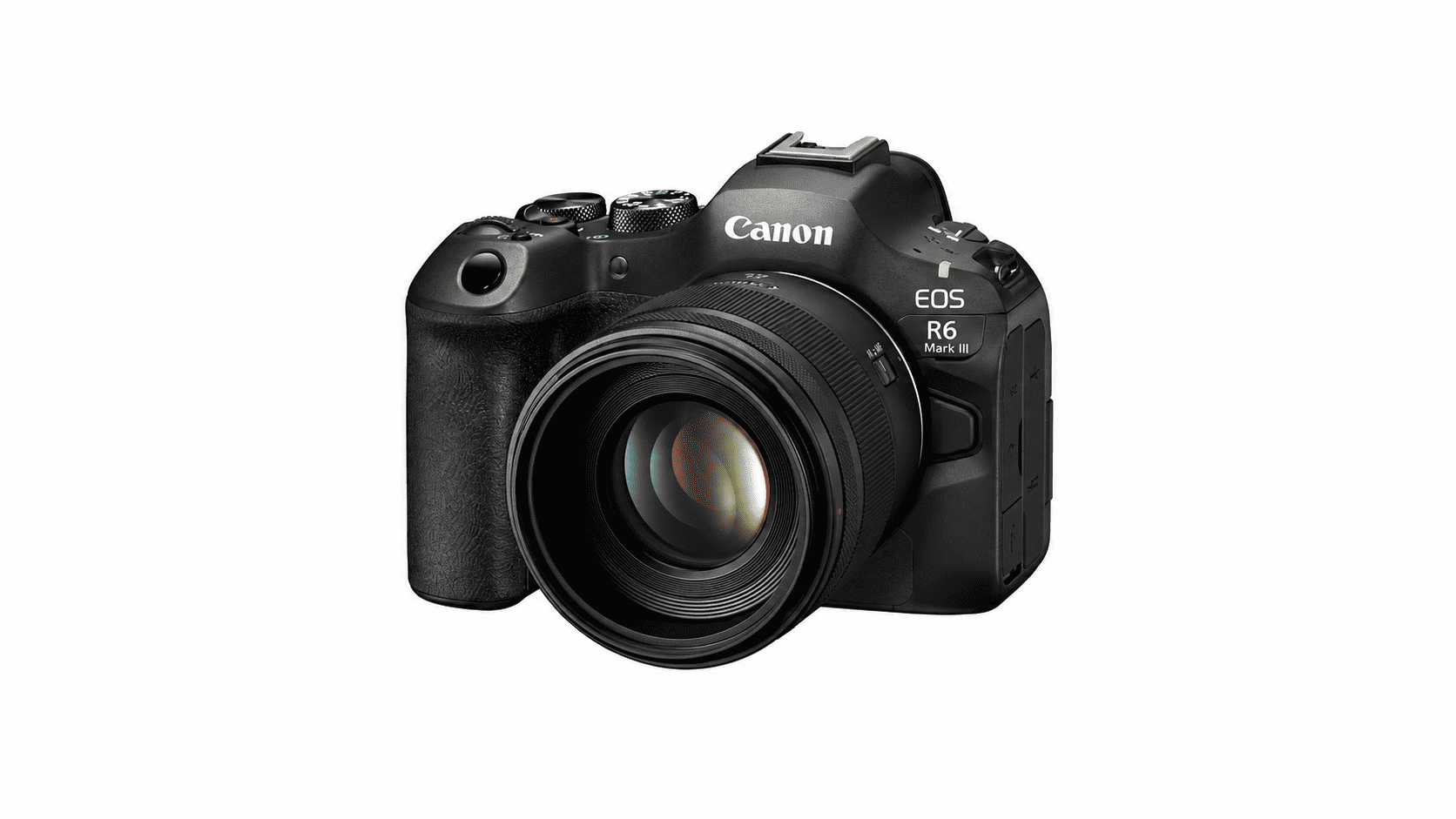
The Canon EOS R6 Mark III is a capable professional hybrid for photographers already invested in the RF system.
Canon equips the body with a 32.5-megapixel full-frame sensor, dual CFexpress Type B and SD card storage, and advanced video capabilities including 7K RAW and oversampled 4K recording. These features position it as a highly versatile real estate photography camera for media teams delivering still photography, agent-led walkthroughs, horizontal property tours, and vertical social media content from a single platform.
For still property assignments, the 32.5-megapixel resolution provides ample latitude for perspective alignment and cropping, while keeping RAW file sizes significantly more manageable than 45-megapixel assets. Canon’s native RF lens system includes professional ultra-wide zooms, while adapted EF optics offer a cost-effective path for photographers transitioning from legacy Canon DSLRs.
That said, the EOS R6 Mark III may offer more performance than required for creators who strictly deliver standard MLS photo galleries. Its high-end video features, premium storage media demands, and professional price point deliver maximum value when fully leveraged across a multi-service property media workflow.
Best Nikon Camera for Real Estate Photography: Nikon Z6III
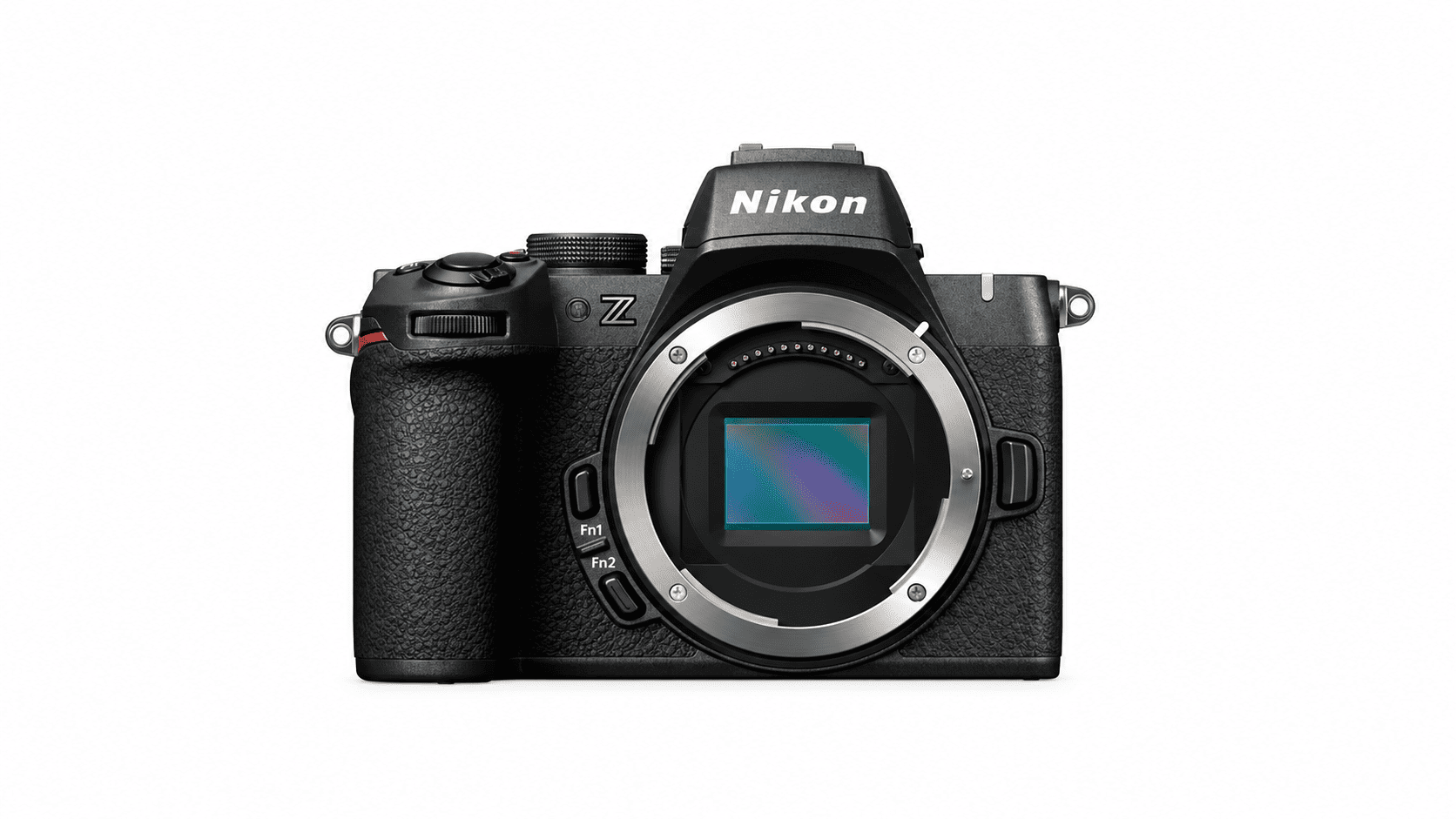
The Nikon Z6III is a balanced option for photographers who need strong full-frame stills and professional video without moving into a high-megapixel body.
The camera features a 24.5-megapixel full-frame sensor alongside support for CFexpress Type B, XQD, and SD storage media. Nikon also incorporates internal 6K/60p RAW video recording, oversampled 4K capture, and robust in-body image stabilization (IBIS).
The 24.5-megapixel resolution is far from a disadvantage in standard residential media production. Generating significantly lighter file sizes than 40- or 60-megapixel bodies, it noticeably accelerates file ingesting, archiving, and batch post-processing—a major operational advantage when capturing multi-frame exposure brackets for every space.
The Nikon Z6 III stands as a compelling candidate for the best camera for real estate photography among creators already invested in the Nikon ecosystem or those offering hybrid photo-video property walkthroughs. However, for assignments requiring heavy cropping or large-format architectural prints, higher-resolution Nikon models remain the better fit.
Best Fujifilm Camera for Real Estate Photography: Fujifilm X-T5
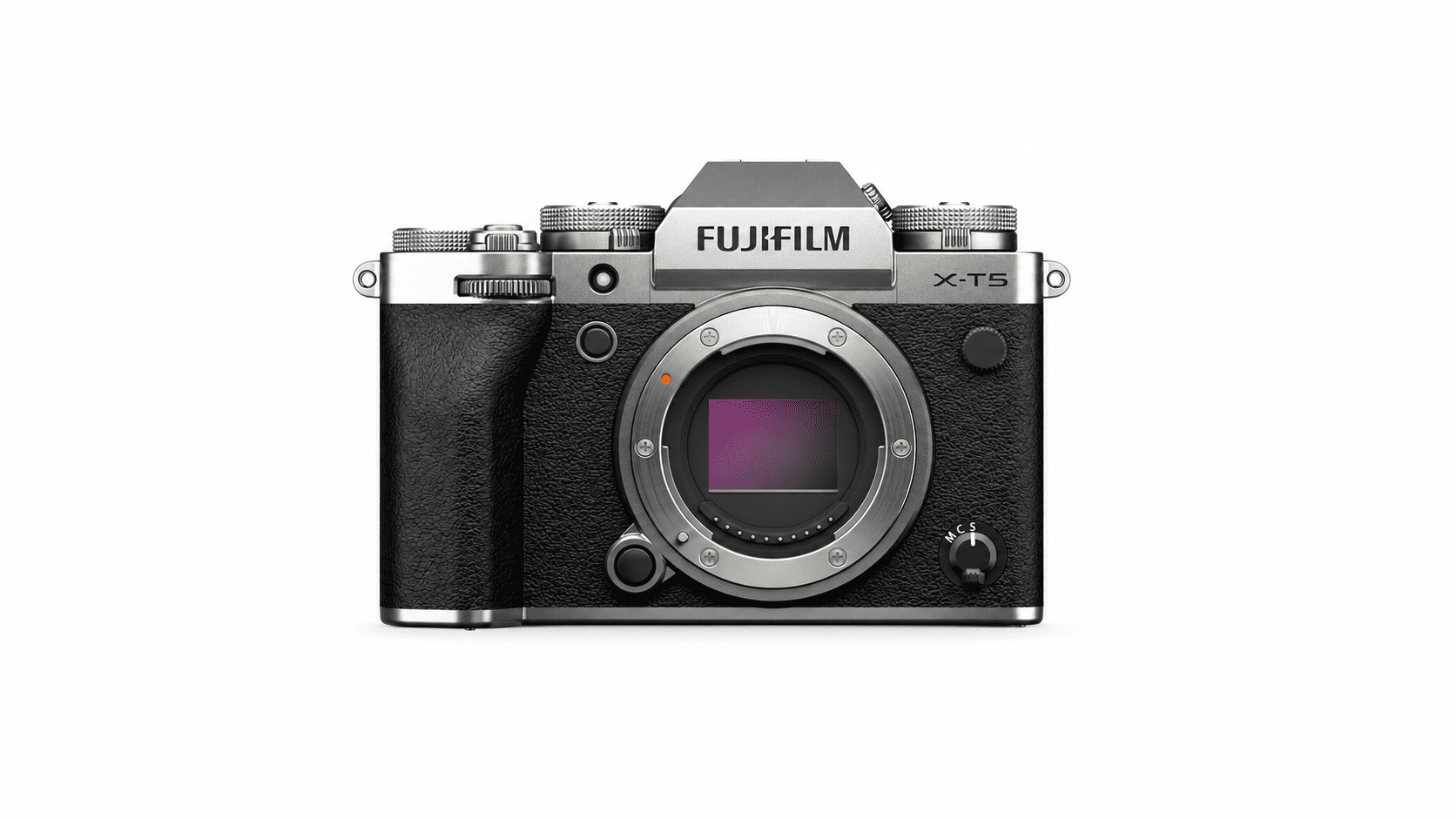
The Fujifilm X-T5 is a strong APS-C choice for photographers who prioritize detailed still images, compact equipment and direct physical controls.
Equipped with a 40.2-megapixel sensor, the camera delivers exceptional detail for an APS-C platform. It includes in-body image stabilization (IBIS), dual UHS-II SD card slots, and internal 6.2K video recording capabilities. Fujifilm’s XF lens system features dedicated ultra-wide options such as the XF 10–24mm and XF 8–16mm, both offering highly functional focal ranges for interior property capture.
The Fujifilm X-T5 is a compelling option for the best camera for real estate photography among creators seeking a lighter, more portable footprint without sacrificing sensor resolution. Its 3-way tilting LCD monitor is particularly advantageous when framing precise interior compositions on a tripod at standard shooting heights.
A key operational consideration, however, is total data management. Capturing 3- or 5-frame exposure brackets at 40 megapixels generates a significantly larger storage footprint compared to standard 24-megapixel workflows. Photographers must ensure their editing hardware, storage infrastructure, and post-production pipelines can comfortably process these high-resolution assets.
Best Panasonic Camera for Real Estate Photography: Panasonic LUMIX S5II
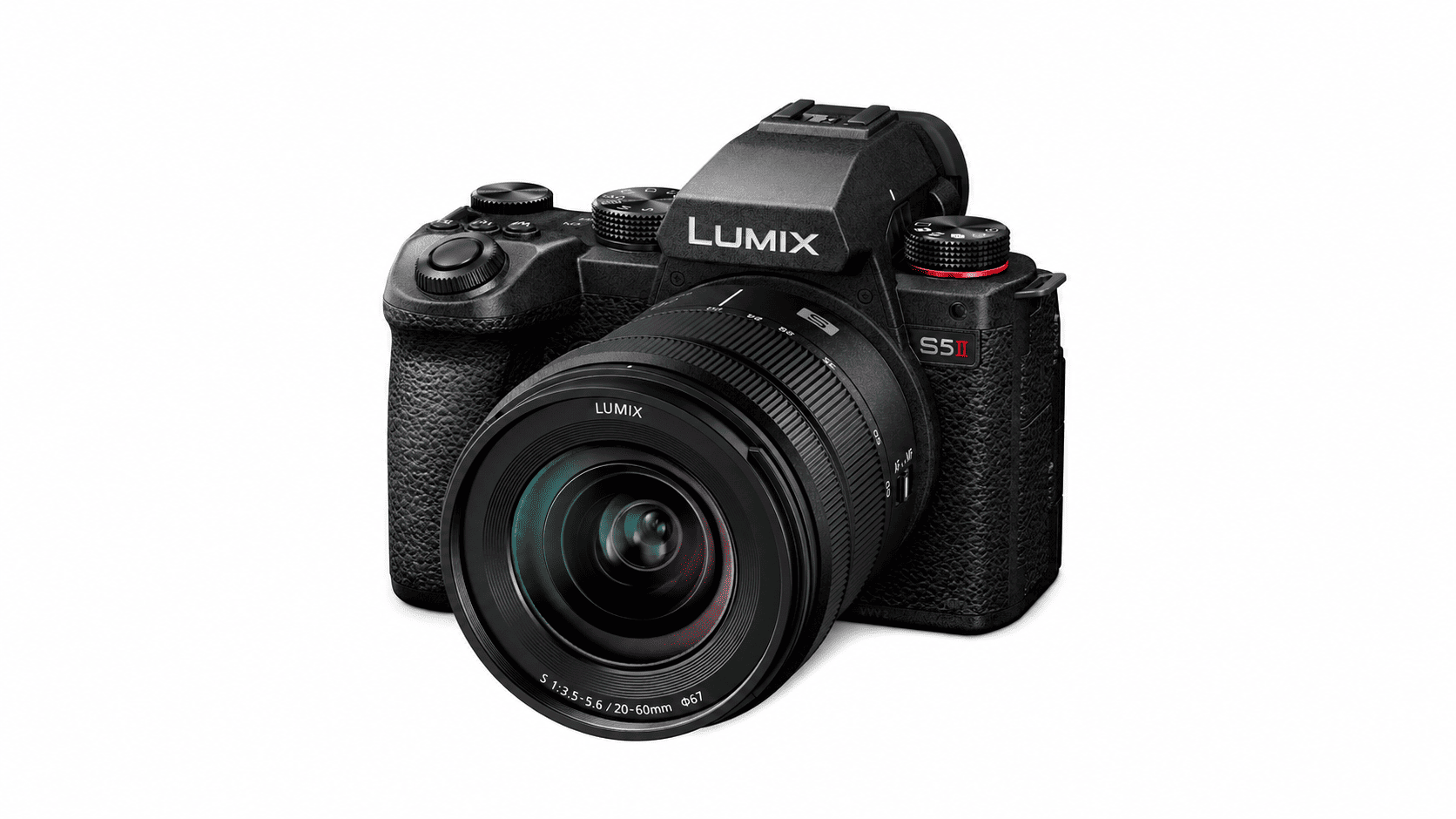
The Panasonic LUMIX S5II is a practical full-frame hybrid for photographers who place equal importance on property photos and video.
The camera incorporates a 24.2-megapixel full-frame sensor paired with Phase Hybrid autofocus. Panasonic’s video-centric control layout, powerful in-body image stabilization (IBIS), and versatile recording formats make it a compelling real estate photography camera for media companies specializing in property walkthroughs, short-form social content, and long-form real estate films.
The bundled 20–60mm kit lens features a wider starting focal length than conventional 24–70mm zoom lenses, making it surprisingly functional for standard property media assignments. However, for tight interior environments, pairing the body with dedicated ultra-wide optics such as 14–28mm or 16–35mm remains essential for full spatial coverage.
Overall, the Lumix S5 II stands out as a pragmatic contender for the best camera for real estate photography among hybrid creators who prioritize robust video workflows over ultra-high still resolution. For high-end architectural and commercial assignments demanding intricate detail, the 44.3-megapixel Panasonic S1R II serves as the more appropriate alternative.
Best Budget and Beginner Cameras for Real Estate Photography
A budget camera can produce professional results when the photographer prioritizes the complete setup. The body must support RAW capture and exposure bracketing, but the wide-angle lens and tripod often make a larger practical difference.
Best Budget Camera for Real Estate Photography: Canon EOS R50
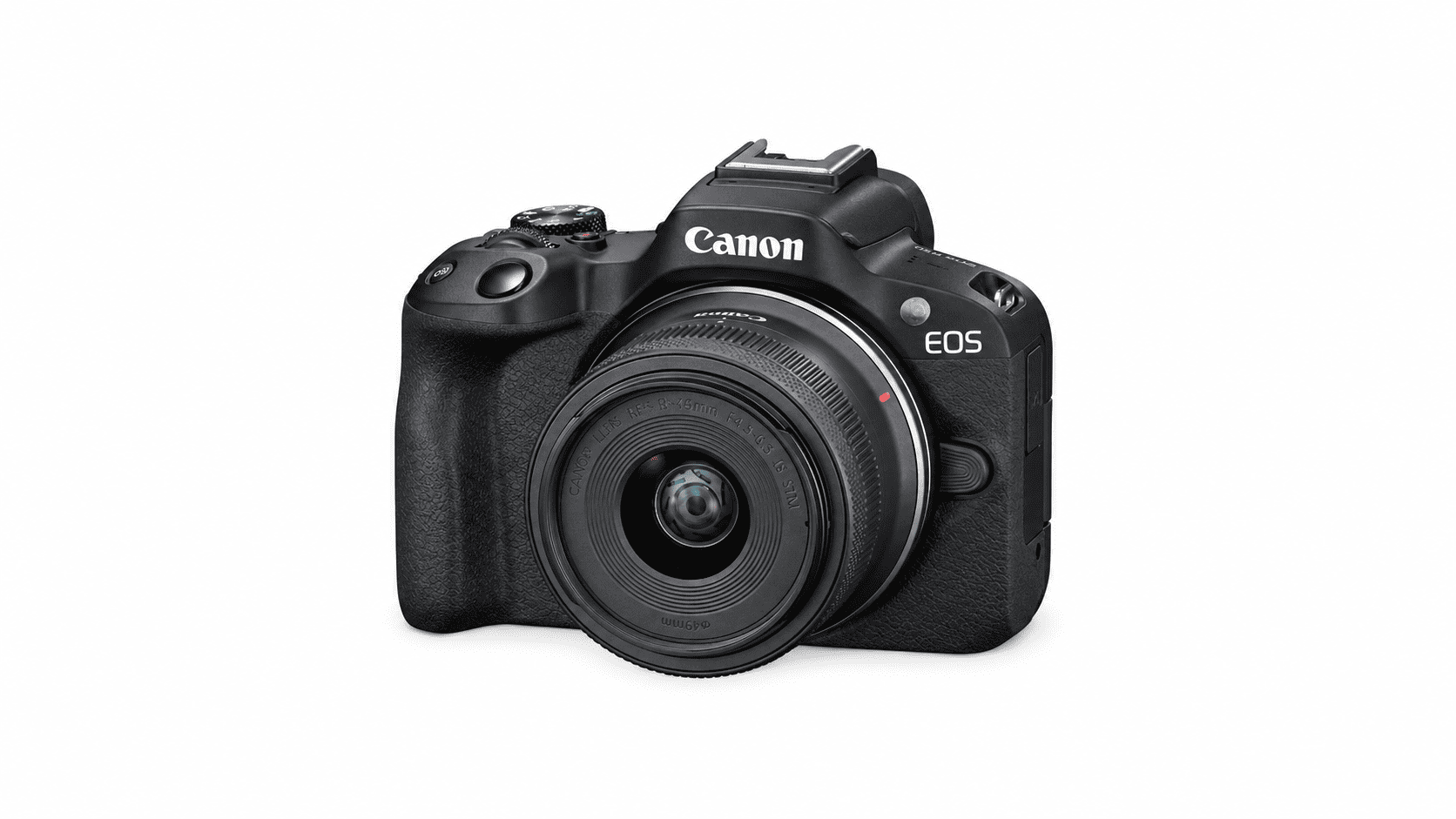
The Canon EOS R50 is an accessible APS-C option with a 24.2-megapixel sensor and oversampled 4K recording. When paired with the RF-S 10–18mm lens, it covers a useful interior range without requiring a full-frame budget.
Its image quality is sufficient for standard residential listings, rental properties and early portfolio work. The compact body also reduces the weight of a camera bag used across several appointments.
Its limitations are operational rather than purely visual. The R50 has entry-level controls, a less robust professional workflow and fewer backup options than higher-tier bodies. It is most appropriate for controlled shoots rather than large media businesses that depend on dual-card redundancy and heavy daily use.
The camera's image quality comfortably handles standard residential listings, rental properties, and foundational portfolio-building assignments. Its compact form factor noticeably lightens the gear bag when navigating tight schedules across multiple property locations in a single day.
Its primary drawbacks lie in operational mechanics rather than image capture capabilities. The EOS R50 relies on entry-level controls, offers limited workflow customization, and lacks immediate data backup features. While it may not represent the best camera for real estate photography for high-volume media firms requiring dual card redundancy and heavy-duty daily reliability, it serves as a highly capable tool for controlled, budget-conscious shoots.
Best Beginner Real Estate Photography Camera: Nikon Z50II
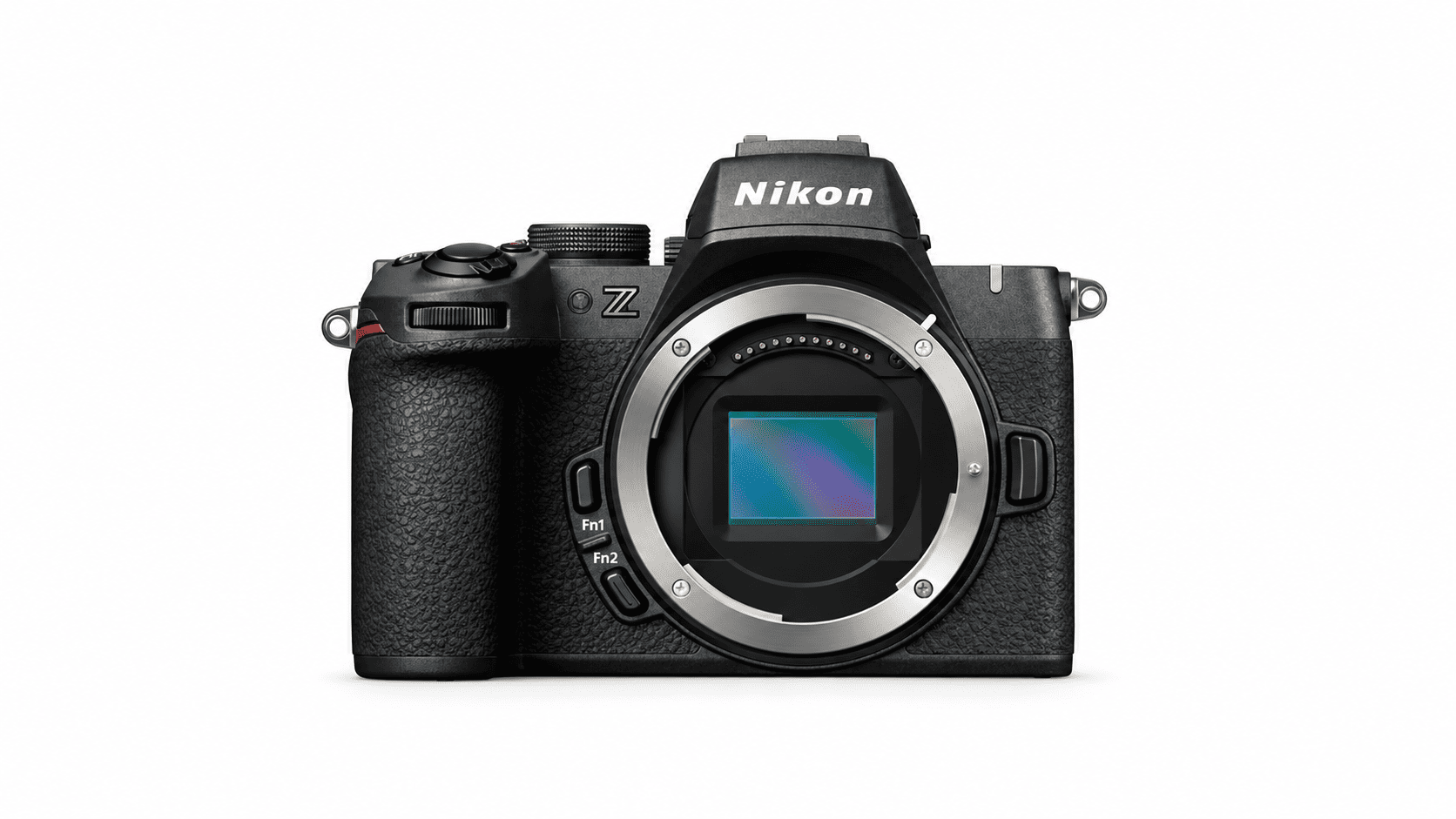
The Nikon Z50II is another suitable beginner option. Its 20.9-megapixel APS-C sensor supports 14-bit RAW files, and Nikon’s Z DX 12–28mm lens provides an appropriate wide-angle range for interiors.
The Nikon Z50 II offers adequate resolution for online listing portals while keeping file sizes conveniently compact. However, its single memory card slot and APS-C sensor format make it less suitable for creators requiring real-time in-camera data redundancy or those regularly shooting high-end architectural projects.
For entry-level photographers, selecting the best camera for real estate photography between the EOS R50 and Z50 II should hinge primarily on total system cost—factoring in the camera body, ultra-wide glass, a sturdy tripod, spare batteries, and essential lighting gear, rather than minor technical spec variations.
How Much Dynamic Range Does Real Estate Photography Need?
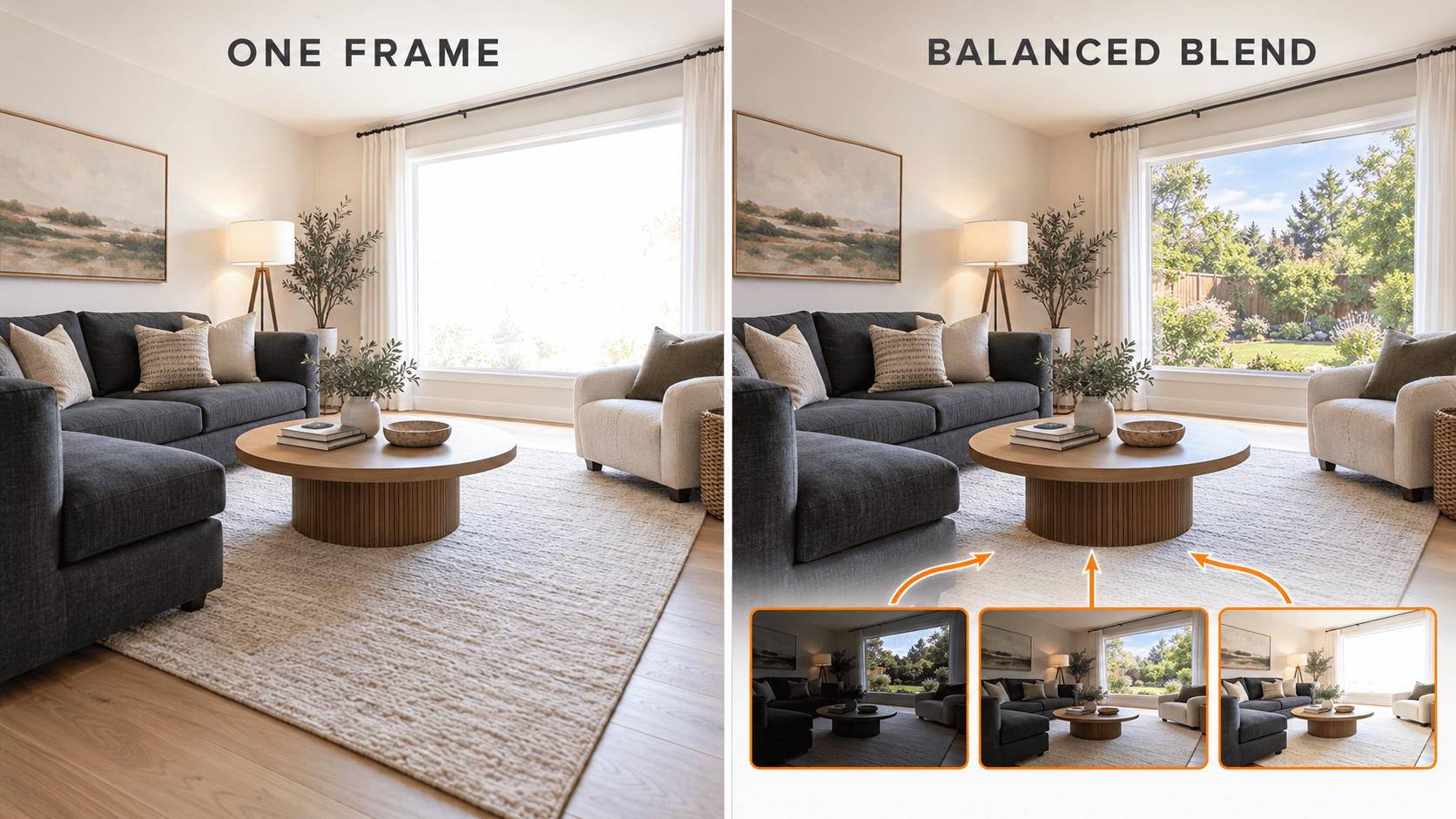
There is no single benchmark dynamic range figure that guarantees professional-grade interior imagery. The dynamic range required on location varies significantly based on window dimensions, solar orientation, interior lighting balance, and wall color reflectivity.
Consequently, hardware specifications must always be evaluated in tandem with the photographer’s shooting methodology. When determining the best camera for real estate photography, raw sensor metrics matter far less than how effectively the camera integrates with real-world exposure techniques and lighting workflows on site.
Dynamic Range for Bright Windows and Dark Interiors
An interior space with deep shadows and direct sunlight streaming through windows frequently exceeds the dynamic range capacity of a single RAW exposure. Metering for the interior will blow out window views, whereas exposing for the exterior landscape risks introducing noise and color shifts when pushing shadow detail in post-processing.
While choosing the best camera for real estate photography with strong highlight and shadow recovery offers greater operational latitude, photographers should not rely on a single exposure to handle extreme lighting scenarios. Exposure bracketing remains the industry-standard, most dependable technique for managing high-contrast interior environments.
Single Exposure vs Exposure Bracketing
Single-exposure photography is efficient when light levels are controlled and the sensor retains enough information in both highlights and shadows. It produces fewer files and reduces editing time.
Exposure bracketing is more appropriate when window detail and interior brightness cannot be retained in one frame. Three well-spaced exposures are often enough for a typical room, while more difficult scenes may require additional frames or flash.
More brackets are not automatically better. Excessive frames increase storage and can introduce movement between exposures. The goal is to capture enough information for a clean blend, not to create the largest possible bracket set.
Read more: Step-by-Step Real Estate HDR Photo Editing Tips
Dynamic Range vs Resolution
Dynamic range and resolution solve different problems. Dynamic range helps retain information across shadows and highlights. Resolution determines how much spatial detail the file contains.
For standard property listings, recoverable exposure information is usually more valuable than extremely high resolution. A clean 24-megapixel bracket is more useful than a poorly exposed 60-megapixel frame.
Higher resolution becomes more valuable when the photographer needs substantial cropping, large printed materials or detailed architectural output.
Best Camera for Real Estate Photos vs Property Videos
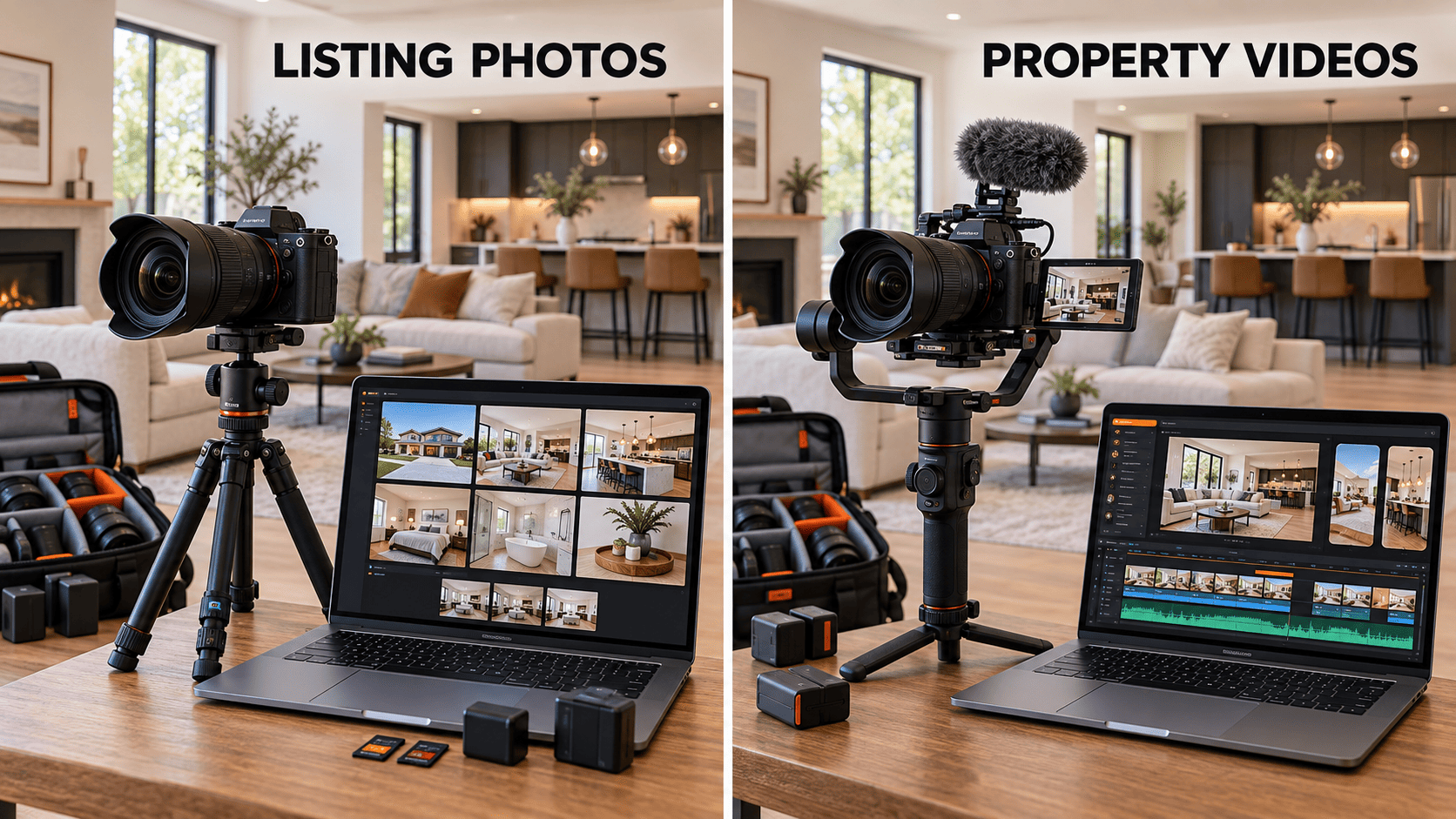
A photographer delivering only still images has different requirements from a media company producing photos, vertical reels, cinematic walkthroughs and agent-led videos.
Cameras for Listing Photography
For still-focused media production, primary hardware evaluation must prioritize RAW image quality, flexible exposure bracketing controls, lens system compatibility, dual card slot redundancy, and dependable tethering stability. Conversely, high-end video features like 8K recording or extreme high-frame-rate slow motion often inflate system costs without delivering tangible value to property listing galleries.
Mid-tier full-frame bodies, along with systems such as the Fujifilm X-T5 and Nikon Z6 III, can be strong choices when the workflow centers on still imagery.
Hybrid Cameras for Photos and Videos
For hybrid media production teams, evaluating hardware requires looking beyond basic specs to critical operational factors: sensor readout speed, recording time limits, thermal stability, in-body image stabilization (IBIS) performance, Log profile availability, microphone integration, and field-of-view crop factors during high-frame-rate capture.
Platforms such as the Sony a7 V, Canon EOS R6 Mark III, Nikon Z6 III, and Panasonic S5 II are capable hybrid options for teams producing both stills and video. Each can produce high-quality listing images when paired with an appropriate lens and a controlled shooting workflow.
Ultimately, selecting the maximum available video specification does not automatically improve workflow efficiency. A real estate media agency producing standard 4K property walkthroughs will derive far greater value from thermal reliability, post-friendly codecs, and rapid turnarounds than from the storage overhead and processing friction imposed by 7K or 8K capture when selecting the best camera for real estate photography.
Cameras for High-Volume Media Teams
For high-volume media enterprises, workflow standardization should be the primary objective. Enforcing uniform camera configurations, focal length guidelines, exposure bracket sequences, and folder directory structures across all staff photographers streamlines onboarding and greatly simplifies batch post-processing.
As operational scale expands, hardware reliability, dual card slot redundancy, battery ecosystem availability, and body interchangeability take precedence over marginal spec differences. Minor image quality nuances matter far less than preventing catastrophic data loss or delivering inconsistent property galleries, making fleet dependability the core requirement when deploying the best camera for real estate photography at scale.
Read more: Best Real Estate Video Editing Software for Experts
Why the Lens Matters as Much as the Camera
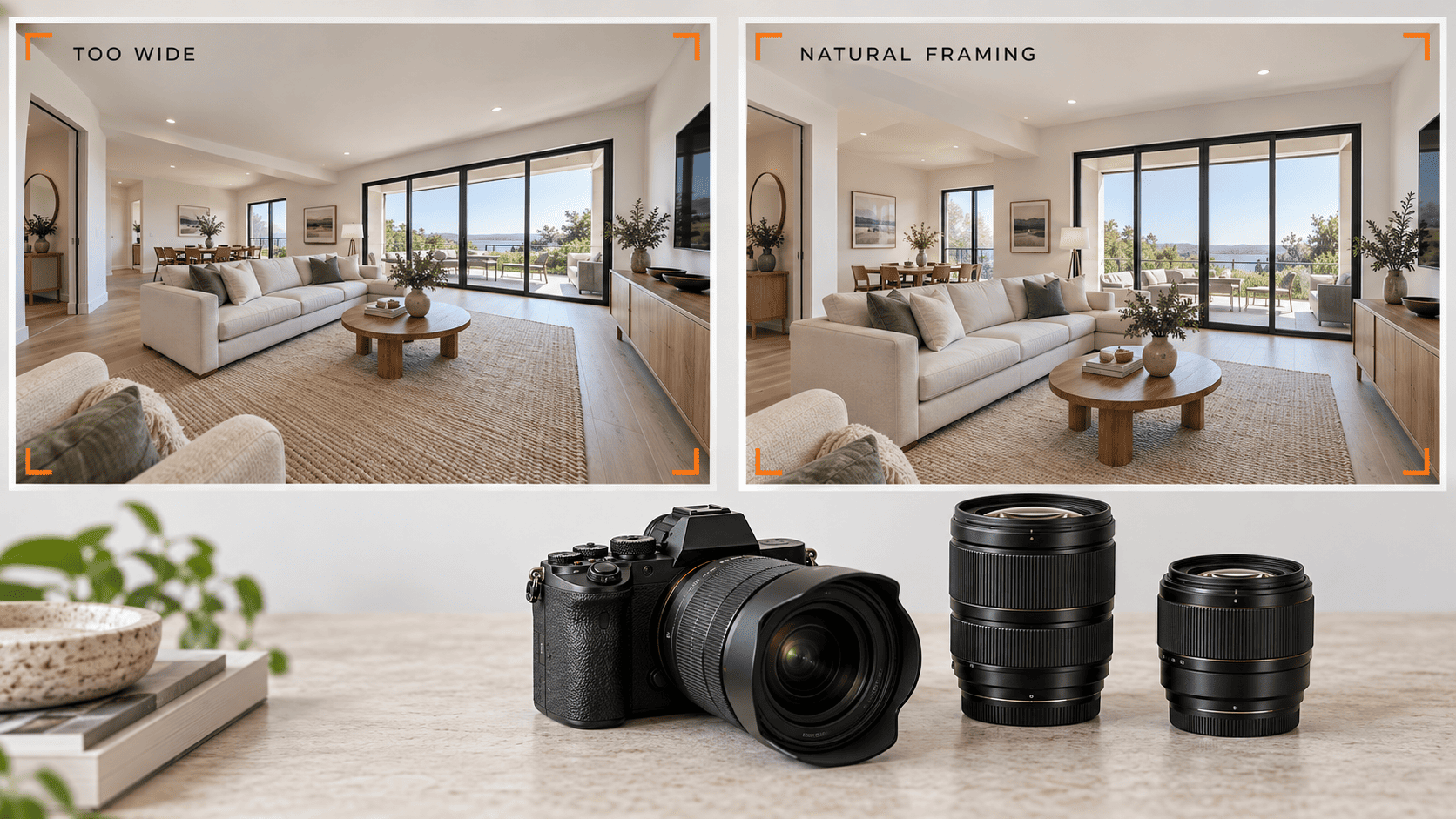
A modern interchangeable-lens camera can usually produce a technically acceptable property image. The lens determines whether the room can be framed naturally and whether edges, vertical lines and architectural details remain usable.
Wide-Angle Lenses for Full-Frame Cameras
A 16–35mm zoom is a practical starting point for many full-frame real estate photography workflows. It provides enough width for many interiors while allowing the photographer to zoom in for more natural exterior and detail compositions.
Lenses beginning around 14mm are useful for extremely small spaces, but they require careful composition. Excessive width can stretch furniture, enlarge foreground objects and make rooms appear misleadingly spacious.
Tilt-shift lenses offer more control over perspective but are slower and more expensive. They are most useful for architectural and commercial work rather than routine residential listings.
Wide-Angle Lenses for APS-C Cameras
APS-C users should usually look for a lens beginning around 10–12mm. An 18mm APS-C lens may not be wide enough for some small rooms, especially when the photographer cannot move farther back.
Useful examples include Canon’s RF-S 10–18mm, Nikon’s Z DX 12–28mm and Fujifilm’s XF 10–24mm. The widest option is not automatically the best; edge sharpness, distortion, flare and handling also affect the final result.
Distortion and Corner Sharpness
Software can correct barrel distortion and converging verticals, but heavy correction stretches pixels and removes part of the frame. Starting with a lens that performs well at the required focal length reduces the amount of reconstruction needed later.
Photographers should test walls, cabinets, door frames and objects near the corners. A lens that appears sharp in the center may lose detail or create visible stretching at its widest setting.
The Total Cost of a Real Estate Photography Camera Setup
The body price is only one part of the investment. A working kit may also require a wide-angle lens, tripod, remote trigger, flash, batteries, cards, storage and editing software.
Camera Body and Lens
The lens should be included in the budget from the beginning. For many photographers, allocating more money to a suitable wide-angle lens and less to the body produces better results than purchasing the newest camera with a basic kit zoom.
Photographers changing brands must also account for replacement lenses, adapters, batteries, chargers and spare bodies.
Tripod, Flash and Accessories
A stable tripod improves bracket alignment and allows lower ISO settings. A remote trigger or short self-timer reduces camera movement, while a geared or accurately leveled head makes consistent composition easier.
Flash photographers may also need speedlights, strobes, triggers, stands and modifiers. These items can cost as much as an entry-level camera but influence the final image more directly in difficult interiors.
Storage, Software and Post-Production
Higher resolution and advanced video formats increase memory-card, backup and computer requirements. A five-frame bracket from a 40-megapixel camera creates substantially more data than a single 24-megapixel exposure.
The real cost should include import time, backup storage, software, editing labor and final quality control. A camera upgrade that slows every stage of production may not improve profitability.
Read more: Discover Real Estate Photography Pricing in 2026
How to Choose a Real Estate Photography Camera
The correct camera should support the services the business currently sells while leaving enough room for realistic growth.
Define Your Photography Services
Start with the actual deliverables. A photographer producing 25 MLS images per property does not need the same equipment as a studio delivering architectural photography, drone footage, 4K walkthroughs and agent-led social videos.
Avoid paying for features that will not be used. Prioritize the functions that remove friction from the current workflow.
Compare the Complete Camera System
Compare the body, required wide-angle lens, storage media, batteries and accessories as one system. Also consider the cost of replacing existing equipment and maintaining a backup body.
A camera with a lower body price may become more expensive if the appropriate lens is unavailable or costly.
Test the Camera on a Real Property
Rent or borrow the strongest options and photograph a complete listing. Include a small bathroom, a dark room with bright windows, an exterior and a mixed-lighting interior.
Review the RAW files rather than the camera preview. Check highlight recovery, shadow noise, bracket grouping, corner sharpness and the time required to produce the finished gallery.
Consider Long-Term Workflow Requirements
Choose equipment that can remain consistent across photographers and future hires. Lens availability, repair support, file compatibility and replacement-body access all matter to a growing company.
A camera should improve the entire production process, not only the moment of capture.
Frequently Asked Questions
What Is the Best Camera for Real Estate Photography?
The Sony a7 V is a strong overall option for many professional real estate photographers in 2026, particularly those who value full-frame resolution, lens availability, and hybrid video features. Canon’s EOS R6 Mark III and Nikon’s Z6III are practical alternatives for photographers already using those systems.
Do You Need a Full-Frame Camera for Real Estate Photography?
No. A modern APS-C camera can produce professional listing images when paired with an appropriate ultra-wide lens. Full frame provides more flexibility in difficult lighting and broader professional lens options, but it is not mandatory.
How Many Megapixels Do Real Estate Photos Need?
Approximately 20 to 33 megapixels is enough for most residential listing, website and marketing workflows. Higher resolution is useful for heavy cropping, large prints and architectural assignments but creates larger files.
What Is the Best Budget Camera for Real Estate Photography?
The Canon EOS R50 paired with the RF-S 10–18mm lens can be a practical entry-level setup, depending on local pricing and availability. The Nikon Z50II with the Z DX 12–28mm lens is another suitable beginner option.
Is Dynamic Range More Important Than Resolution?
For most interior photography, dynamic range is more useful than extreme resolution because it helps preserve bright windows and dark room details. Exposure bracketing remains necessary when the scene exceeds what one RAW file can capture.
Does the Camera or Lens Matter More?
Once the camera supports RAW capture and reliable exposure bracketing, the lens often makes the larger practical difference. The correct ultra-wide lens determines whether interiors can be framed naturally without excessive distortion.
Can a Smartphone Be Used for Professional Property Photography?
A modern smartphone can be useful for quick rental listings, scouting and social content. It offers less control over focal length, bracketing, RAW workflow and lighting than an interchangeable-lens camera, making it less suitable for consistent professional delivery.
Conclusion
The right real estate photography camera should produce usable RAW files, support dependable bracketing and connect to an appropriate wide-angle lens without making the wider production workflow unnecessarily expensive.
The Sony a7 V offers the strongest overall balance for established professionals. The Canon EOS R6 Mark III, Nikon Z6III and Panasonic LUMIX S5II are capable hybrid alternatives, while the Fujifilm X-T5 provides high-resolution APS-C output. Beginners can start with the Canon EOS R50 or Nikon Z50II when paired with a suitable ultra-wide lens.
Camera specifications alone do not create a consistent property gallery. Capture technique, lens selection, lighting, file organization and post-production determine whether the final images are accurate and ready for delivery. Rotider supports real estate photographers and media teams by processing HDR, flash and flambient files within repeatable, human-reviewed workflows, allowing photographers to choose equipment around their shooting needs rather than their available editing time.
.png)



.png)
.webp)